Hunting Dogs: Breeds, Categories, and Specialized Capabilities
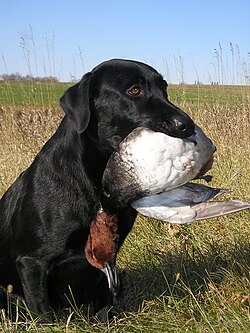
A hunting dog is a canine specifically bred or trained to assist humans in the pursuit of game. These dogs are developed for a wide array of tasks, ranging from tracking scent across miles of wilderness to retrieving waterfowl from icy lakes. Generally, hunting dogs are larger than average pets and possess a significantly more sensitive sense of smell, allowing them to detect prey that is invisible to the human eye.
The diversity of hunting dogs is a result of centuries of selective breeding to match specific environments and types of quarry. From the lean speed of sighthounds to the tenacity of terriers, each category serves a unique purpose in the field.
Key Facts
- Major Categories: Hunting dogs are primarily divided into hounds, terriers, cur-type dogs, and gun dogs.
- Sensory Specialization: Hounds are further split into sighthounds (visual) and scenthounds (olfactory).
- Versatility: The Dachshund is the only breed capable of hunting both above and below ground.
- Specialized Roles: Gun dogs include pointers, retrievers, setters, and spaniels, each with distinct roles in locating or recovering game.
- Regional Breeds: Laikas are primitive hunting dogs from northern Russia and Siberia, adapted for extreme weather.
Hounds: The Trackers and Pursuers
Hounds are defined by their ability to locate quarry, though they do so using different primary senses. This divides them into two main subcategories: sighthounds and scenthounds.
Sighthounds
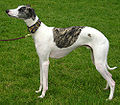
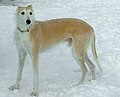
Sighthounds, such as the Whippet, are tall, lean dogs built for speed and visual acuity. They engage in coursing, a method where the dog sights prey from a distance, chases it down, and captures it.
Scenthounds
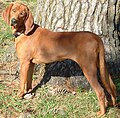
Scenthounds, including the Redbone Coonhound, rely on their powerful noses to trail game. They often hunt in packs, using deep, booming barks to alert hunters as they chase quarry—such as raccoons, coyotes, or deer—into trees or toward the hunter.
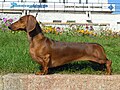
The Dachshund is a specialized scenthound. While the standard variety was bred to flush out burrow-dwelling animals like badgers and foxes, the miniature version targets smaller prey like rabbits. Beyond hunting, their tracking skills are used to find wounded animals after accidents. In the American West, they have even been used to hunt prairie dogs.
Gun Dogs: Partners for Shotgun Hunters
Gun dogs are primarily used by small game hunters. They are categorized by whether they find, flush, or retrieve the game.
Pointers and Setters
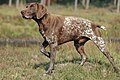
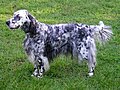
Pointers, such as the German Shorthaired Pointer, locate small game and "point" toward it, allowing the hunter to approach. Setters, like the English Setter, share a similar innate ability to locate upland game birds and flush them upon command.
Retrievers and Water Dogs
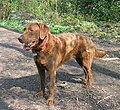
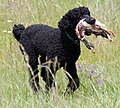
The primary role of a retriever, such as the Chesapeake Bay Retriever, is to find and return shot game to the hunter. They are known for their gentle muzzles and ability to remember the location of downed birds. Water dogs, including the Poodle, are a subclass of retrievers bred for high stamina and strong swimming to hunt waterfowl.
Spaniels
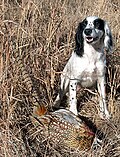
Spaniels, such as the English Cocker Spaniel, are often used as flushing dogs, meaning they locate game and drive it out into the open for the hunter.
Specialized Hunting Breeds
Beyond the major categories, several other types of dogs perform specific hunting roles based on regional needs or prey types.
Curs and Feists
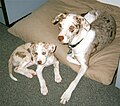
Curs, such as the Catahoula Leopard Dog, hunt larger mammals like feral pigs, cougars, and raccoons. Feists are smaller dogs that hunt small game, particularly squirrels, often barking up trees to alert the hunter.
Terriers
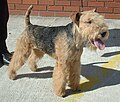
Terriers, such as the Lakeland Terrier, are used to hunt small mammals like rats. They locate dens and either bolt, capture, or kill the animal, often by going underground. Larger terriers may act as "catch dogs," holding large game like razorbacks in place until the hunter arrives.
Laikas and Spitz-type Dogs
Laikas are primitive dogs from Siberia and northern Russia. They are highly resilient in hostile weather and can tree small game or work in teams to corner boar and bear. Other Spitz-type dogs used for hunting include the Norwegian Elkhound, Shiba Inu, and Taiwan Dog.
Lurchers
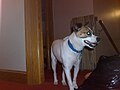
A Lurcher is a crossbreed between a sighthound and a working dog, typically a terrier or pastoral breed, combining speed with working intelligence.
Summary of Hunting Dog Categories
| Category | Subcategory/Type | Primary Method | Example Breed |
|---|---|---|---|
| Hounds | Sighthound | Coursing (Visual) | Whippet |
| Hounds | Scenthound | Trailing (Scent) | Redbone Coonhound |
| Gun Dogs | Pointer/Setter | Locating and Pointing | German Shorthaired Pointer |
| Gun Dogs | Retriever | Recovering Game | Chesapeake Bay Retriever |
| Gun Dogs | Spaniel | Flushing Game | English Cocker Spaniel |
| Terriers | Working Terrier | Bolting/Underground | Lakeland Terrier |
| Regional | Laika | Multi-style/Cold Weather | Karelian Bear Dog |
Frequently Asked Questions
What is the difference between a sighthound and a scenthound?
Sighthounds rely on their vision and speed to chase prey (coursing), while scenthounds use their highly developed sense of smell to track and trail game.
What does it mean when a dog "flushes" game?
Flushing occurs when a dog, such as a spaniel, locates game hiding in cover and drives it out into the open so the hunter can take a shot.
Which hunting dog can work both above and below ground?
The Dachshund is the only breed specifically noted for its ability to hunt both above ground and inside burrows.
What is a Lurcher?
A Lurcher is a hybrid dog, created by crossing a sighthound with a working breed, such as a terrier or a pastoral dog.
How do Laikas differ from other hunting dogs?
Laikas are primitive dogs from northern Russia and Siberia that are exceptionally hardy in extreme cold and can adapt their hunting style to the size of the game, from small animals to bears.