Humppa: The Rhythmic Heart of Finnish Social Dance
In the vibrant landscape of Finnish culture, Humppa stands as a spirited blend of music and movement. More than just a genre, it is a social phenomenon that bridges the gap between traditional folk rhythms and modern entertainment. Characterized by its infectious energy and steady beat, Humppa has evolved from a radio-coined term into a symbol of Finnish social identity.
The Origins and Sound of Humppa
Musically, Humppa is closely related to jazz and the fast foxtrot. It is played in a 2/4 or 4/4 time signature, typically maintaining a tempo between 110 and 130 beats per minute. The music is defined by a strong bass line that creates a distinct "bounce," which serves as the foundation for both the musicians and the dancers.
The term "humppa" was not an ancient word but was coined in the 1950s by Antero Alpola for a radio program. Alpola drew inspiration from the German Oktoberfest, where the term oompah was used to describe the brassy sound of the music. The name mimics the sonic profile of a tuba: the first beat sounds like "hump," and the second beat sounds like "pa."
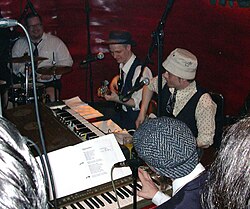
The Art of Humppa Dancing
While the name was invented in the 1950s, the dances associated with Humppa existed long before. In Finland, the word "humppa" is often used as a general term for social dancing. These dances are characterized by a rhythmic bounce that follows the heavy bass beats.
Three Primary Dance Styles
- One-Step Style: Derived from the one-step dance that arrived in Finland in 1913. Dancers take a step on every first beat ("hump") to progress in the direction of the dance, utilizing closed positions for turns or open positions for figures.
- Two-Step Style: Based on the two-step dance introduced in 1910, this variation incorporates rhythmic elements and movements from the waltz and samba.
- Nilkku: A distinct form based on a "slow, slow, quick, quick" rhythm. Because the first quick step carries very little weight, the dance has a characteristic "limping" appearance.
The Revival and Cultural Impact
By the early 1970s, the rise of global pop music threatened to overshadow traditional social dancing. However, a significant revival ensured that Humppa remained a staple of Finnish life. This resurgence made Humppa particularly popular among older generations and the youth in the countryside, especially within the South-Eastern and Eastern regions of Finland.
During the 1970s, the genre was championed by male singers such as Erkki Junkkarinen, Henry Theel, Mikko Järvinen, Eino Valtanen, and Eero Aven, as well as female artists including Berit, Eija-Sinikka, and Hanne. Popular bands of the era included Tulipunaruusut, Kaisa & Kumppanit, and Mutkattomat. The city of Lappeenranta became a central hub for the culture, hosting the most popular Humppa festivals between 1977 and 1988.
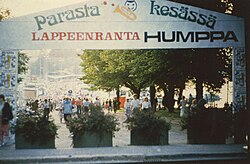
Today, the legacy continues through artists like Eläkeläiset, a band known for creating Humppa-style covers of famous pop songs, keeping the tradition playful and relevant for new audiences.
Key Facts
- Tempo: 110 to 130 beats per minute.
- Time Signature: 2/4 or 4/4.
- Etymology: Coined by Antero Alpola, inspired by the German "oompah" sound.
- Dance Styles: Includes variations of one-step, two-step, and the limping Nilkku.
- Regional Stronghold: Particularly popular in Eastern and South-Eastern Finland.
| Dance Style | Origin/Influence | Key Characteristic |
|---|---|---|
| One-Step Humppa | One-step (1913) | Step on every first beat; progression in dance direction. |
| Two-Step Humppa | Two-step (1910) | Influences from samba and waltz. |
| Nilkku | Traditional rhythm | Slow, slow, quick, quick rhythm with a "limping" look. |
Frequently Asked Questions
What is the musical origin of Humppa?
Humppa is related to jazz and fast foxtrot, characterized by a strong bass beat and a tempo of 110 to 130 beats per minute.
Who created the name "Humppa"?
The name was invented by Antero Alpola in the 1950s for a radio show, based on the "oompah" sound of German Oktoberfest music.
What makes the Nilkku dance unique?
The Nilkku is unique for its "slow, slow, quick, quick" rhythm, where the first quick step carries almost no weight, giving the dancer a limping appearance.
Where were the most popular Humppa festivals held?
The most popular Humppa festivals took place in Lappeenranta, particularly between 1977 and 1988.
Is Humppa still popular today?
Yes, it remains popular among older populations and rural youth in Eastern and South-Eastern Finland, and is kept alive by modern bands like Eläkeläiset.