Humitas: The Ancient Corn Tradition of the Andes
Deeply rooted in pre-Hispanic history, humitas (derived from the Quechua word umint'a) are a cornerstone of Andean culinary heritage. Found across Peru, Bolivia, Chile, Ecuador, and Northwest Argentina, this traditional dish celebrates the versatility of choclo—a variety of fresh maize native to the region.
At its core, a humita consists of fresh corn pounded into a smooth paste, wrapped in a corn husk, and then slowly steamed or boiled. While they may appear similar to Mexican tamales, they differ fundamentally: humitas use fresh corn, whereas tamales are made from masa (nixtamalized corn). This distinction places them closer to Mexican uchepos or tamales colados, as well as Colombian envueltos and bollos.
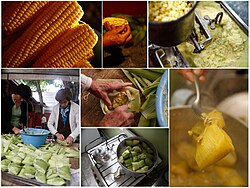
Key Facts
- Origin: Andean states, dating back to pre-Hispanic times.
- Primary Ingredients: Fresh maize (choclo) and maize husks.
- Regional Names: Known as pamonha in Brazil and huminta in Bolivia.
- Dietary Note: Traditional humitas never contain meat.
- Varieties: Available in both savory and sweet versions.
Regional Variations Across South America
Argentina
In Argentina, humitas are prepared using two distinct methods. The first, humita a la olla (in a pot), involves grating corn kernels into a creamy mixture. This version may include criollo pumpkin (a green-skinned squash), milk, sautéed onions, bell peppers, and seasonings like basil, paprika, and cumin. It is often topped with melted creamy cheese.
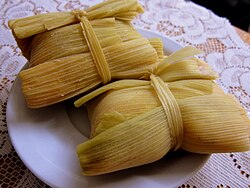
The second method, humita en chala, involves wrapping the corn mixture in two corn husks tied in a cross shape. These packages are boiled in salted water for approximately one hour. Common in northern provinces like Jujuy, Tucumán, and Salta, these often feature chunks of white, goat, or creamy cheese. Depending on the preference, they can be salty or sweet, with the latter incorporating sugar.
Chile
Chilean humitas, traceable back to the 19th century, are crafted from fresh corn, onion, basil, and butter or lard. They are wrapped in husks, tied with twine, and either baked or boiled. These can be served as savory or sweet dishes, often accompanied by sugar or tomato.
Ecuador
Ecuadorian versions utilize fresh ground corn, onions, eggs, pork fat, and regional spices. Unlike other variations, these are steamed rather than boiled or baked, often using specialized pots designed specifically for this purpose. They may contain cheese and are frequently fried in a pan immediately before serving.
Peru and Bolivia
In the central Andes of Peru and Bolivia, the flavor profiles are distinct. Savory versions combine fresh corn with lard, salt, queso fresco, and occasionally anise. Sweet versions feature lard, sugar, cinnamon, and raisins. In Peru, humitas may be cooked in boiling water, steamed, or prepared in a pachamanca (a traditional earth oven).
The historical significance of the dish in Peru is documented as early as 1609 in the Comentarios Reales de los Incas by Garcilaso de la Vega, who recalled eating them between 1539 and 1560.
Humita Comparison Summary
| Country | Cooking Method | Key Ingredients/Additions | Distinctive Feature |
|---|---|---|---|
| Argentina | Pot or Boiled | Pumpkin, basil, cumin, cheese | Two styles: a la olla and en chala |
| Chile | Baked or Boiled | Basil, butter/lard, onion | Often served with tomato or sugar |
| Ecuador | Steamed | Eggs, pork fat, onions | Often fried before eating |
| Peru/Bolivia | Boiled, Steamed, or Earth Oven | Queso fresco, cinnamon, raisins | Use of pachamanca ovens in Peru |
Frequently Asked Questions
What is the difference between a humita and a tamale?
The primary difference is the type of corn used. Humitas are made from fresh corn (choclo) pounded into a paste, while tamales are made from nixtamalized corn dough known as masa.
Do humitas contain meat?
No, traditional humitas do not contain any type of meat.
Can humitas be sweet?
Yes, humitas are commonly prepared in both savory and sweet varieties. Sweet versions typically include ingredients like sugar, cinnamon, and raisins.
What is "humita a la olla"?
This is an Argentine variation where the corn mixture is cooked in a pot rather than being wrapped in husks, resulting in a creamy, porridge-like consistency.
Which countries in South America eat humitas?
Humitas are traditional foods in Peru, Bolivia, Chile, Ecuador, and Northwest Argentina.