House Music: The Evolution of a Global Dance Phenomenon
House music is more than just a genre; it is a cultural movement that redefined the global dance floor. Emerging from the underground clubs of the United States, it blended the rhythmic energy of disco with the precision of electronic synthesis to create a steady, hypnotic beat that continues to influence modern pop and electronic dance music (EDM) today.
At its core, house music is characterized by a repetitive 4/4 beat, often driven by electronic percussion and synthesizers. Its journey from the marginalized spaces of Chicago to the main stages of international festivals is a story of innovation, inclusivity, and the relentless pursuit of the perfect groove.

Key Facts
- Origins: Born in Chicago during the early 1980s, evolving from disco, post-disco, and electronic music.
- Core Instruments: Heavily reliant on drum machines (like the Roland TR-909) and synthesizers (like the Roland TB-303).
- Cultural Roots: Developed primarily within Black, Latino, and gay urban club scenes in the U.S.
- Global Reach: Spread rapidly to the UK, Ibiza, South Africa, and beyond, spawning dozens of subgenres.
- Key Figure: Frankie Knuckles is widely regarded as the "Godfather of House."
The Foundations and Early History
The Chicago Birthplace
House music emerged in the 1980s in Chicago, where DJs began experimenting with disco records, adding heavier beats and electronic elements. The genre took its name from the "Warehouse," a seminal club where DJ Frankie Knuckles played a pivotal role in shaping the sound. By blending European synth-pop, hi-NRG, and traditional disco, these pioneers created a high-energy style designed specifically for the dance floor.
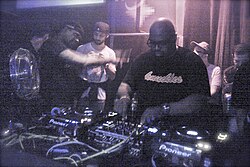
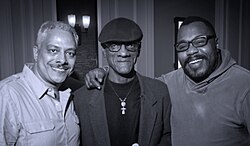
The early scene was deeply rooted in the Black and Latino LGBTQ+ communities, providing a sanctuary for expression and liberation. As the sound evolved, artists like Marshall Jefferson and Jesse Saunders helped transition house from a DJ-led club experience into a recorded musical genre.

The Role of Technology
The distinct sound of house music was made possible by affordable electronic hardware. The TR-909 drum machine provided the driving kick drum and percussion, while the TB-303 synthesizer became the backbone of "acid house," known for its squelching, resonant basslines.
Global Expansion and Subgenres
The UK and the Second Summer of Love
In the late 1980s, house music traveled to the United Kingdom, where it collided with rave culture. This era, known as the "Second Summer of Love," saw the rise of acid house and massive outdoor parties. The smiley face became the iconic symbol of this movement, representing the euphoria and unity of the rave scene.
![A badge bearing a smiley, a symbol of the 1980s acid house scene in the UK[92]](/images/38/1c/381c42b83df3b7788bb1d4fc0ea5319b676019af668ed1f924b77c796f38e7bb.jpg)
New York, New Jersey, and the Garage Sound
While Chicago focused on the raw beat, New York and New Jersey developed Garage house. Named after the Paradise Garage nightclub, this style incorporated more soulful vocals and jazz influences, creating a smoother, more melodic experience known as the "Jersey sound."

Regional Evolutions: From Ibiza to South Africa
House music's adaptability allowed it to merge with local cultures worldwide. In Ibiza, it became the soundtrack to Mediterranean clubbing. In South Africa, it evolved into unique forms such as Kwaito, Afro house, and the more recent Amapiano, which blends house with jazz and lounge music.

The Modern Era: 2000s to Present
By the 21st century, house music had fragmented into a vast array of subgenres, including Deep House, Electro House, and Progressive House. The 2010s saw the rise of the "Big Room" sound, characterized by massive drops and stadium-sized production, bringing artists like Swedish House Mafia and Avicii to global superstardom.

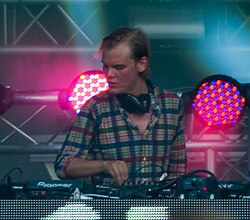
Today, house music continues to permeate mainstream pop. Even hip-hop artists, such as Drake with his 2022 album Honestly, Nevermind, have embraced the genre's rhythmic structures to experiment with dance-oriented sounds.

House Music Summary
| Category | Details |
|---|---|
| Primary Origins | Chicago, USA (1980s) |
| Stylistic Influences | Disco, Electro, Synth-pop, Jazz, Dub |
| Essential Gear | Roland TR-909, Roland TB-303 |
| Major Subgenres | Acid, Deep, Tech, Afro, Garage, Tropical, Progressive |
| Key Global Hubs | Chicago, New York, London, Ibiza, South Africa |
Frequently Asked Questions
Where did the term "house music" come from?
The term is widely believed to have originated from the "Warehouse," a famous nightclub in Chicago where early house music was played and developed by DJs like Frankie Knuckles.
What is the difference between House and Techno?
While both are electronic, house music typically retains more soulful, disco-influenced elements and a warmer feel, whereas techno (which emerged in Detroit) tends to be more industrial, mechanical, and focused on futuristic sounds.
What is Acid House?
Acid house is a subgenre defined by the use of the Roland TB-303 synthesizer, which produces a distinctive "squelching" or "acidic" bass sound. It was central to the UK rave scene in the late 1980s.
Who is considered the Godfather of House?
Frankie Knuckles is most often cited as the Godfather of House due to his influential residency at the Warehouse and his role in pioneering the genre's sound in Chicago.
What is Amapiano?
Amapiano is a modern South African style of house music that blends deep house with elements of jazz, lounge, and traditional African rhythms, characterized by its soulful melodies and log-drum basslines.