The Complete Guide to the Horse: Biology, History, and Behavior
The horse (*Equus ferus caballus*) is one of the most significant animals in human history. From ancient warfare and transportation to modern-day competitive sports and therapeutic use, these powerful mammals have shaped civilizations. Whether they are working in fields, competing in Olympic dressage, or running in high-speed races, horses continue to maintain a profound connection with humanity.
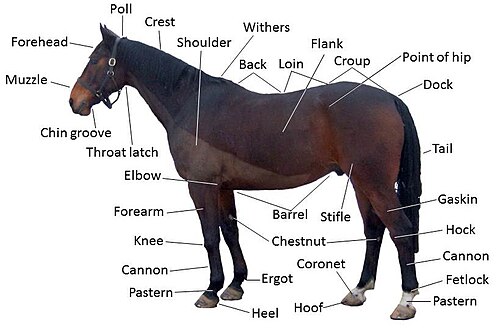
Key Facts
- Scientific Name: Equus ferus caballus
- Classification: Mammal in the order Perissodactyla (odd-toed ungulates)
- Common Gaits: Walk, trot, canter, and gallop
- Dietary Type: Herbivore (requires specific nutrition and care)
- Social Structure: Herd-based animals with complex social behaviors
Taxonomy and Evolution
Horses belong to the kingdom Animalia and the family Equidae. Their evolutionary journey is a fascinating study of biological adaptation. Over millions of years, the ancestors of the modern horse underwent significant changes, including an increase in overall body size, changes in skull (cranium) shape, and a reduction in the number of toes until only a single digit remained.
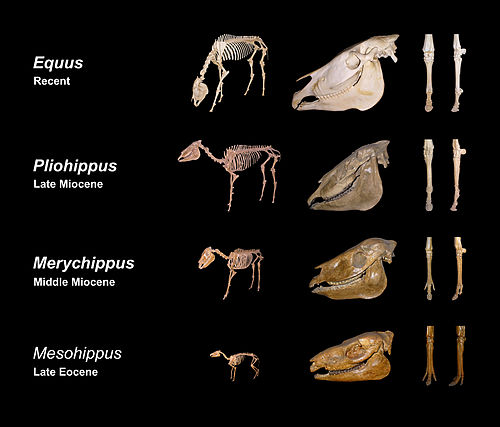
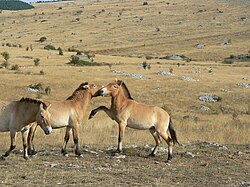
While many species of equids exist, the domestic horse is a specific subspecies. Some wild species, such as the Przewalski's horse, still survive in the modern era, serving as a living link to the animal's ancestral past.
Anatomy and Physical Characteristics
The physical makeup of a horse is specialized for movement and survival. Their skeletal system provides the framework for their powerful muscles, while their hooves protect the ends of their limbs during locomotion.
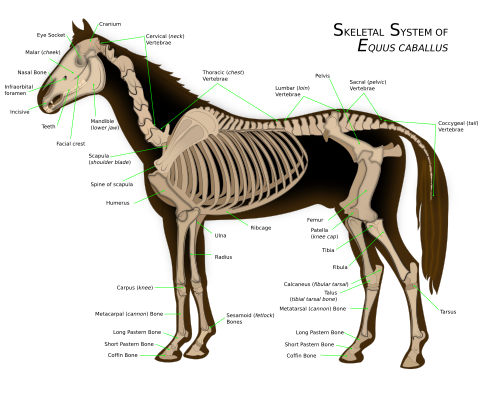
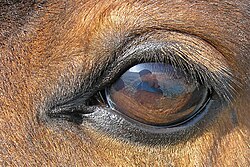
A horse's senses are highly developed. For instance, their eyes are positioned to provide a wide field of view, which is essential for detecting predators in the wild.
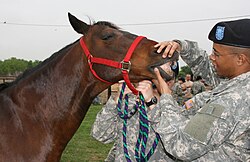
Maintaining physical health is a critical aspect of horse care. Regular examinations, including checking the teeth, are vital to ensure the animal can eat properly and remain healthy throughout its life stages.
Life Stages and Terminology
Horses are referred to by different names depending on their age and sex:
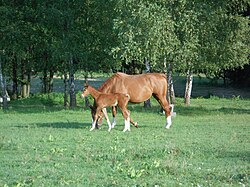
- Foal: A young horse.
- Yearling: A horse that is one year old.
- Colt: A young male horse.
- Filly: A young female horse.
- Mare: An adult female horse.
- Stallion: An adult male horse.
- Gelding: A castrated male horse.
Size and Breeds
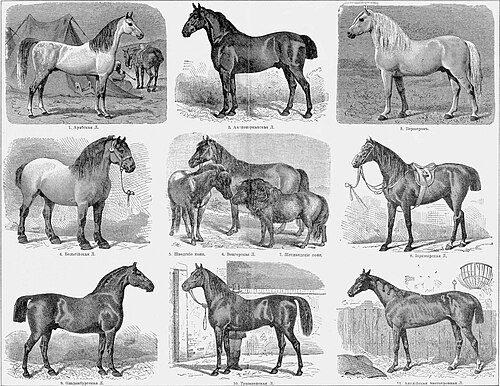
Horses exhibit incredible diversity in size and build. This range extends from large draft horses used for heavy work to small ponies. Breeds are often categorized by their characteristics, such as "hotbloods" (slim and light), "warmbloods" (medium-sized), and "coldbloods" (draft or pony types).
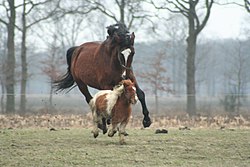
Coat colors and markings also vary widely. Common colors include bay and chestnut, which can be seen across almost all breeds.
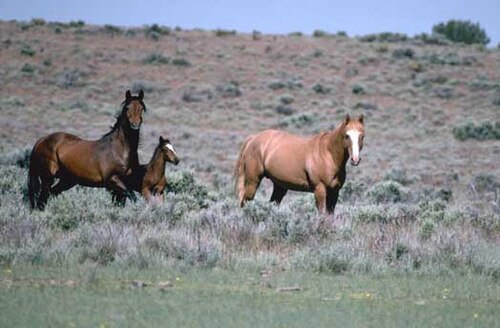
Movement and Gaits
Horses move using four basic natural gaits. These movements vary in speed and rhythm, allowing the horse to travel efficiently or move at high velocities.
| Gait | Description | Average Speed (km/h) | Average Speed (mph) |
|---|---|---|---|
| Walk | Four-beat gait | 5–8 km/h | 3.1–5.0 mph |
| Trot/Jog | Two-beat gait | 8–13 km/h | 5.0–8.1 mph |
| Pace | Lateral gait | 8–13 km/h | 5.0–8.1 mph |
| Canter/Lope | Three-beat gait | 16–27 km/h | 9.9–16.8 mph |
| Gallop | Fastest gait | 40–48 km/h | 25–30 mph |
While most gaits have standard ranges, certain horses, such as those used in harness racing, may trot at higher speeds. The gallop is the fastest movement, with a recorded top speed of 70.76 km/h (43.97 mph).
Behavior and Social Life
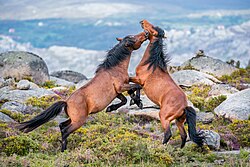
Horses are social animals that live in herds. Their behavior is often driven by herd dominance and survival instincts. In a herd setting, horses may engage in fighting to establish social hierarchies.
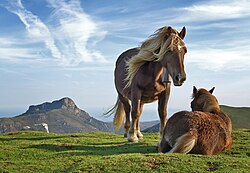
Sleep patterns are also a communal affair. When horses lie down to sleep, other members of the herd often remain standing or in a light doze to keep watch for potential threats.
Human Interaction: Work, Sport, and Culture
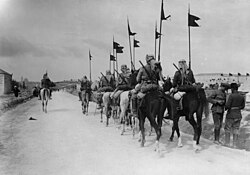
Throughout history, humans have utilized horses for various purposes. In the past, they were essential for cavalry and warfare, as seen in historical depictions of Ottoman cavalry.
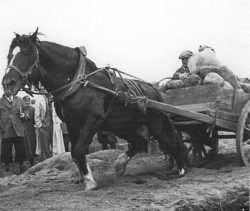
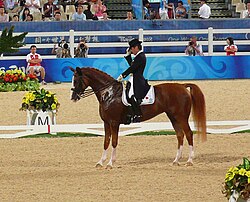
In modern times, horses are celebrated in sport, such as Olympic dressage, and used for heavy labor, like pulling wagons or working in forestry.
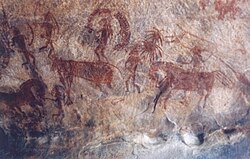
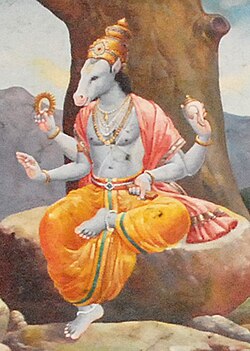
Beyond physical labor, horses hold a significant place in culture and religion. They appear in ancient rock paintings and are even depicted as deities in various traditions.
Frequently Asked Questions
What are the different names for horses based on age?
Young horses are called foals. Once they reach one year of age, they are called yearlings. Males are specifically called colts, while females are called fillies.
How do horses sleep?
Horses have unique sleep patterns where they can take "power naps" or light dozes while standing. When they lie down for deeper sleep, the rest of the herd often stays awake to act as a lookout.
What is the difference between a horse and a pony?
While the distinction can vary, ponies are generally smaller in stature compared to full-sized horses. Size varies greatly among different breeds.
What are the natural gaits of a horse?
Horses move using four primary gaits: the walk (four-beat), the trot (two-beat), the canter (three-beat), and the gallop (the fastest gait).
How do horses regulate their body temperature?
Horses have biological mechanisms for heat regulation to maintain a stable internal temperature during activity or environmental changes.
![A diagram of heat regulation in horses[252]](/images/05/52/0552347c2b1cb321ebf0484ddc619d8ce58a70d8ed84a7c5c11c115293dc49ee.png)