HiteJinro: The Global Powerhouse Behind the World's Best-Selling Spirit
Founded in 1924, HiteJinro Co., Ltd. has evolved from a domestic distiller into a South Korean multinational beverage giant. As the world's leading producer of soju—a traditional Korean distilled spirit—the company commands a dominant position in its home market and has expanded its reach to consumers worldwide. Through strategic acquisitions and innovative branding, HiteJinro has redefined the image of Korean alcohol for the modern era.
The company's trajectory shifted significantly in 2006 when it was acquired by Hite, a popular beverage firm primarily known for its beer production. Today, HiteJinro operates a diverse portfolio that includes beer, whisky, wine, and bottled water, with major distilleries located in Icheon, Cheongwon, and Masan, the latter of which is specifically geared toward international exports.
Key Facts
- Founded: October 3, 1924.
- Global Status: Producer of the world's best-selling spirit (Jinro soju).
- Market Dominance: Accounts for more than half of South Korea's domestic soju sales.
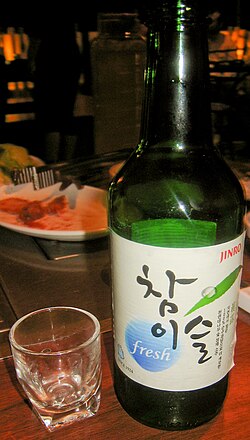
- Flagship Brand: Chamisul, known for its bamboo charcoal filtration.
- Diversification: Produces beer (Hite, Terra), whisky, wine, and Seoksu bottled water.
- Global Reach: Operations in South Korea, USA, China, Japan, and Russia, with recent expansions into India.
The Rise of Chamisul and the Evolution of Soju
The launch of Chamisul (meaning "real dew") on October 19, 1998, marked a historic turning point in the spirits industry. Before Chamisul, soju was typically viewed as a strong, hearty spirit with an alcohol by volume (ABV) of 25%. HiteJinro sought to challenge this stereotype by introducing a "soft and clean" alternative.
Initially released at 23% ABV, the product was later revised to 20.1% ABV. The company also introduced Chamisul Fresh, which is sold at a lower 17.2% ABV. These two variants currently lead the domestic market. A key technical innovation contributing to their success is the use of a bamboo charcoal filtration method, a recipe that has been refined seven times to ensure quality and taste.
Innovative Marketing and Branding
HiteJinro employs clever psychological triggers in its packaging. Chamisul bottles feature temperature-sensitive paper labels. A tab shaped like the company's mascot, the Asiatic Toad, changes color from white to blue when the bottle is sufficiently chilled, signaling to the consumer that the soju is ready to drink.
Product Portfolio and Market Impact
While soju is the company's primary driver, HiteJinro maintains a comprehensive beverage lineup. In the beer sector, they produce popular brands such as Terra, Hite (including Hite EXTRA COLD), and Max. Their diversification extends to the Kingdom and Cutty Sark whisky lines, as well as HiteJinro wine and Seoksu natural mineral water.
| Category | Key Brands/Products |
|---|---|
| Soju | Chamisul (Fresh, Classic, Nature), IlpumJinro, Jinro Gold, Fruit-flavored sojus |
| Beer | Terra, Hite, Max, Filite, Queen's Ale |
| Whisky | Kingdom, Cutty Sark |
| Other | HiteJinro Wine, Seoksu Bottled Water, Puriss |
Corporate Responsibility and Cultural Influence
The prevalence of alcohol consumption in South Korea—which the World Health Organisation noted as the world's highest for spirits in 2005—has led to significant social challenges, including increased violence and crime. In response, HiteJinro has taken a proactive stance on corporate social responsibility.
The company began placing warning labels on its beer and Chamisul bottles with messages such as "No more drunken violence! Let's improve the wrong drinking culture!" This initiative reflects the company's stated commitment to fostering a more positive drinking environment in South Korea.
Global Expansion and the "Korean Wave"
Driven by the global popularity of Korean culture, HiteJinro has successfully positioned soju as a viable alternative to vodka. Distilled from rice, barley, and koji, the spirit has gained traction in major international markets.
A significant recent milestone is the company's expansion into India. In December 2025, HiteJinro partnered with Monika Alcobev Limited to handle the import, distribution, and marketing of soju across key Indian cities, including Delhi, Mumbai, and Bengaluru. This rollout includes popular fruit varieties such as Green Grape, Plum, Strawberry, and Peach, leveraging the "Korean wave" to attract new consumers.
Frequently Asked Questions
What is the most popular soju brand produced by HiteJinro?
The most popular brand is Chamisul, specifically the Chamisul Fresh and Chamisul Classic variants, which are known for their bamboo charcoal filtration process.
How can you tell if a bottle of Chamisul is cold?
The bottle labels feature a temperature-sensitive Asiatic Toad mascot that turns from white to blue when the beverage has reached the ideal cold drinking temperature.
Is HiteJinro only a soju company?
No. While they are the world's leading soju producer, they also manufacture a wide range of beers (such as Terra and Hite), whiskies, wines, and bottled water under the Seoksu brand.
What makes Chamisul different from traditional soju?
Chamisul was designed to break the stereotype of soju being a harsh, high-alcohol spirit. By lowering the ABV and using bamboo charcoal filtration, HiteJinro created a "soft and clean" taste profile.
Where does HiteJinro operate globally?
HiteJinro operates in South Korea, the United States, China, Japan, and Russia, and has recently expanded its distribution into India through a partnership with Monika Alcobev Limited.