Heraldic Tinctures: The Colors, Metals, and Furs of Armory
In the disciplined art of heraldry, tinctures are the standardized palette of colors, metals, and furs used to design coats of arms. These are not merely decorative choices but a formal language used to identify individuals, families, and institutions. While modern eyes see a wide array of hues, traditional heraldry relies on a specific set of nine primary tinctures to ensure clarity and consistency across different regions and eras.
These tinctures are categorized into three distinct groups: metals, colors, and furs. The precise application of these elements is governed by the rules of blazoning—the formal description of a coat of arms—which allows a herald to recreate a design perfectly based solely on a written text.

Key Facts
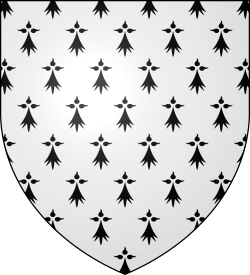
- Nine Common Tinctures: Two metals (Or, Argent), five colors (Gules, Azure, Vert, Sable, Purpure), and two furs (Ermine, Vair).
- Metals: Or represents gold or yellow; Argent represents silver or white.
- Furs: Ermine is derived from the winter fur of a stoat, and Vair is derived from red squirrel fur.
- Monochromatic Systems: When color is unavailable, hatching (patterns) or tricking (letters/abbreviations) are used.
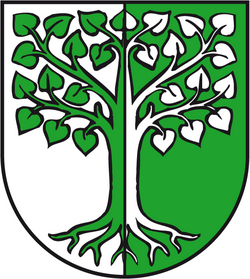
- Counterchanging: A design technique where colors are reversed across a dividing line.
The Primary Tinctures
The foundation of any coat of arms lies in its primary tinctures. While various traditions have added nuances over centuries, the core system remains remarkably stable.
Metals
Metals are the brightest elements of a shield. Or (gold/yellow) and Argent (silver/white) provide the high-contrast background or charges necessary for visibility on the battlefield.
Colors
The five standard colors provide the primary visual identity: Gules (red), Azure (blue), Vert (green), Sable (black), and Purpure (purple).
Furs
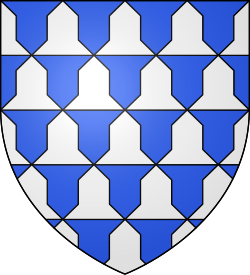
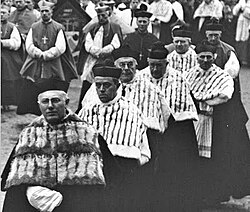
Furs add texture and prestige to heraldic designs. The most prominent are Ermine, characterized by black tails on a white field, and Vair, which traditionally represents the blue and white patterns of squirrel pelts.

| Class | Heraldic Name | Modern Equivalent |
|---|---|---|
| Metals | Or | Gold / Yellow |
| Argent | Silver / White | |
| Colors | Gules | Red |
| Azure | Blue | |
| Vert | Green | |
| Sable | Black | |
| Purpure | Purple | |
| Furs | Ermine | Stoat winter fur |
| Vair | Red squirrel fur |
Regional Variants and Rare Tinctures
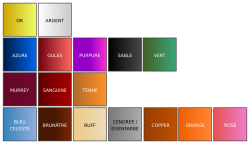
While the nine common tinctures dominate, different national traditions have introduced specialized hues. For example, Canadian heraldry utilizes rose (pink), while Dutch heraldry employs orange. South African heraldry is known for using ochre (both red and yellow).
Continental heraldry often includes bleu celeste (sky blue), carnation (flesh color), and cendrée (ashen grey). In some German traditions, brunâtre (brown) has been used as a substitute for purpure.
Advanced Heraldic Concepts
Proper
When an object is depicted in its natural colors rather than a heraldic tincture, it is described as proper. This is common for animals, birds, or herbs.
Counterchanging
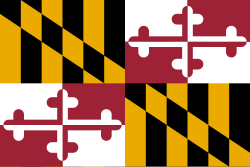
Counterchanging occurs when a field is divided into two tinctures, and the charges placed upon them are the reverse of the field's colors. A prominent example is the flag of Maryland, based on the arms of George Calvert, where gold and black bands are reversed in a diagonal bend.
Monochromatic Representation
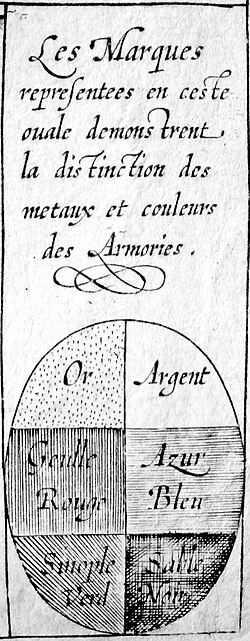
Before the widespread availability of color printing, two systems were developed to represent tinctures in black and white:
- Hatching: A system of distinct patterns (lines, dots, or crosses) assigned to each tincture.
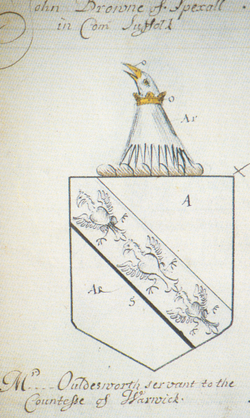
- Tricking: The use of letters or abbreviations (e.g., "ar." for Argent) to designate colors.
Poetic and Astrological Associations
During the Renaissance, heraldry was often linked to the "lore of sympathies," connecting tinctures to gemstones and celestial bodies. This system, developed by figures like Jean Courtois, associated Or with the sun and topaz, Argent with the moon and pearl, and Gules with Mars and ruby.
This poetic approach allowed for a more symbolic blazon, where the nobility of a tincture was linked to the virtues of the planet or jewel it represented.
Frequently Asked Questions
What is the difference between a metal and a color in heraldry?
Metals (Or and Argent) are the lightest tinctures, while colors (such as Gules and Azure) are darker. This distinction is fundamental to the "rule of tincture," which generally prohibits placing a metal on a metal or a color on a color to ensure high visibility.
What are heraldic furs?
Furs are specialized tinctures that mimic animal pelts. The two most common are Ermine (white with black spots) and Vair (a blue and white bell-like pattern), used to denote status and luxury.
How is a coat of arms represented without color?
Heraldry uses two primary monochromatic methods: hatching, which uses specific line patterns to represent colors, and tricking, which uses abbreviated letters to label the intended tincture.
What does "proper" mean in a heraldic description?
The term "proper" indicates that an element should be depicted in its natural, real-world colors rather than one of the standardized heraldic tinctures.
What is counterchanging?
Counterchanging is a design technique where the colors of the field and the charges are swapped. If the background is split vertically between red and white, a counterchanged charge would be white on the red side and red on the white side.