Hemerochory: How Human Activity Shapes Plant Distribution
Plants possess natural mechanisms to spread their seeds and colonize new territories. However, there is a significant category of plant movement driven entirely by human presence: hemerochory. Derived from the Ancient Greek words for "tame" and "separate," hemerochory refers to the distribution of cultivated plants, seeds, or cuttings by humans into areas they could not reach through natural means alone. While these plants may eventually maintain themselves in their new habitats without constant human intervention, their presence is a direct result of human activity.
This process, often used interchangeably with anthropochory (the spread by humans), includes movement via human transport or even through domestic animals, which are considered part of human culture. Hemerochoric plants play a dual role in ecology, as they have the potential to both increase and decrease the biodiversity of a given habitat.
![Poppies are hemerochoric plants that belong to the archaeophytes.[clarification needed]](/images/5a/cf/5acf688dcab55e12069448f387545c05865e70d7ceecfd3c7170c804719faba1.jpg)
Key Facts
- Hemerochory is the movement of plants via human activity.
- Archaeophytes are plants introduced before the year 1500.
- Neophytes are plants introduced after the era of world trade began.
- Dispersal can be intentional (gardening/farming) or unintentional (accidental transport).
- Ballast water in ships is a major driver of aquatic plant dispersal.
Categorization of Plant Introduction
Not all human-assisted plant movements are the same. Botanists classify hemerochoric plants based on the specific manner in which they are introduced to a new environment.
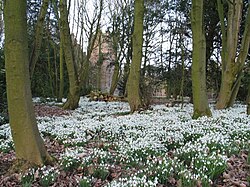
Ethelochory: Intentional Introduction
Ethelochory occurs when humans consciously introduce seeds or young plants to a region. This is most common in agriculture and gardening. For example, many essential crops like wheat, barley, lentils, and poppies were moved from the eastern Mediterranean to Central Europe following the Neolithic period. Similarly, ornamental plants like camellias were introduced to various regions for their aesthetic value.
Speirochory: Unintentional Seed Companions
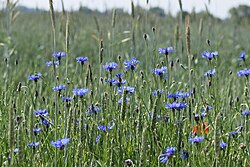
Speirochory is the unintentional introduction of plants through contaminated seed supplies. When farmers or gardeners purchase seeds for a specific crop, "weed" seeds from the original growing field often hitch a ride. The cornflower and true chamomile are classic examples of speirochoric plants that spread alongside useful crops.
Agochory: Accidental Transport
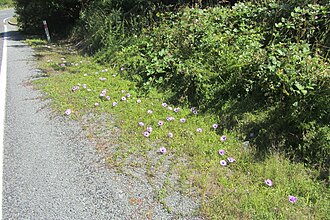
Agochory involves the unintentional transport of plants via vehicles, ships, trains, or cars. Unlike speirochoric plants, agochoric plants are not typically sown in prepared soil; instead, they are often found in transit hubs like ports, railway stations, and roadsides.
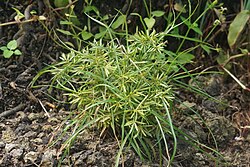
A significant subset of agochory involves aquatic plants spread through ballast water. Ships often take on seawater to stabilize their cargo holds. When this water is discharged in a distant port, it can release thousands of cubic meters of seawater containing alien organisms. This has led to the spread of species like the seaweed Undaria pinnatifida, which has formed dense forests in Tasmania, displacing native flora.
Historical Context and Chronology
The movement of plants through human culture is not a modern phenomenon; it likely began in the Stone Age and was well-established along ancient trade routes like the Silk Road. Fruits such as apples and pears traveled from the Altai Mountains to Greece and eventually to the gardens of Rome.
To better understand these movements, scientists divide hemerochoric plants into two chronological groups:
- Archaeophytes: Plants introduced before the onset of major world trade (roughly around 1492 or 1500).
- Neophytes: Plants introduced after this period, often through more modern globalized trade and exploration.
Summary of Dispersal Methods
| Type | Mechanism | Intentionality | Common Examples |
|---|---|---|---|
| Ethelochory | Direct planting of seeds or young plants | Intentional | Wheat, Barley, Camellias |
| Speirochory | Contamination within seed packets | Unintentional | Cornflower, Chamomile |
| Agochory | Transport via ships, cars, or ballast water | Unintentional | Aquatic algae, roadside weeds |
Frequently Asked Questions
What is the difference between hemerochory and anthropochory?
While often used synonymously, they have subtle differences. Anthropochory strictly refers to spread through humans as a transport medium. Hemerochory is a broader term that includes spread through domestic animals, as they are part of human culture.
How does ballast water affect marine ecosystems?
Ships discharge ballast water in new ports, which can introduce non-native aquatic plants and organisms. This can lead to invasive species displacing native flora and fauna, as seen with Undaria pinnatifida in Tasmania.
Are all hemerochoric plants considered invasive?
Not necessarily. While some hemerochoric plants become invasive and disrupt ecosystems, many are essential food crops (like potatoes and tomatoes) or beloved ornamental plants that humans have successfully integrated into their environments.
What are archaeophytes?
Archaeophytes are plants that were introduced to a region before the beginning of modern world trade, typically before the year 1500.
Why is speirochory considered a problem for farmers?
Speirochory introduces "weeds" that are direct competitors to crops. Because these seeds arrive inside the same packets as the desired crop, they are sown directly into human-prepared, nutrient-rich soil.