Helsinki: The Vibrant Capital of Finland
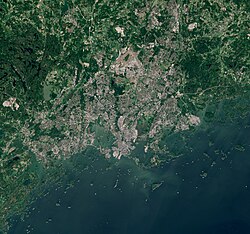
Known as the "Daughter of the Baltic" and the "Pearl of the Baltic Sea," Helsinki is the largest city in Finland and its political, cultural, and economic heart. From its strategic location on the coast of the Baltic Sea to its blend of neoclassical grandeur and cutting-edge modernism, Helsinki offers a unique urban experience that balances nature with metropolitan living.
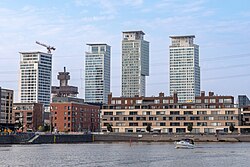
The city is officially known as Helsinki in Finnish and Helsingfors in Swedish, reflecting the bilingual heritage of the nation. Whether it is the historic fortifications of Suomenlinna or the towering residential skyline of Kalasatama, the city is a testament to Finland's growth from a small coastal settlement to a modern European capital.
Key Facts
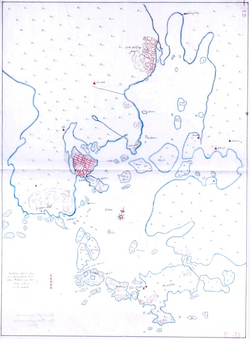
- Founded: June 12, 1550.
- Capital Status: Became the capital of Finland on April 8, 1812.
- Population: Approximately 694,392 (city) and 1,623,283 (metropolitan area) as of 2025.
- Official Languages: Finnish (73.4%) and Swedish (5.4%).
- Geography: Located in the Uusimaa region, characterized by a high percentage of water area (501.74 km²).
- Tallest Building: The Majakka tower in Kalasatama, standing at 134 meters.
Geography and Climate
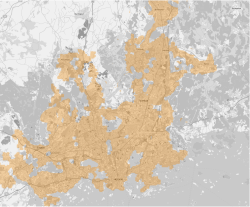
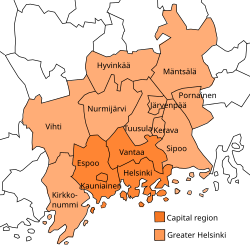
Helsinki is situated at 60°10′15″N 24°56′15″E, with an average elevation of 26 meters. The city's geography is defined by its relationship with the sea, with water making up a significant portion of its total area. The metropolitan area extends across the Uusimaa region, integrating several sub-regional municipalities.
The city experiences a Dfb climate (humid continental), characterized by distinct seasonal shifts. Summers are mild, with mean maximum temperatures in July reaching around 27.1°C, while winters are cold, with mean minimums in February dropping to -6.3°C. The city sees significant variation in daylight, with long summer days and short winter days.
| Month | Mean Max Temp (°C) | Mean Min Temp (°C) | Avg Precipitation (mm) | Sunshine Hours |
|---|---|---|---|---|
| January | 4.7 | -5.6 | 53 | 37.2 |
| April | 16.1 | 1.1 | 38 | 195.0 |
| July | 27.1 | 14.5 | 81 | 291.4 |
| October | 14.6 | 4.2 | 69 | 93.0 |
History and Urban Evolution
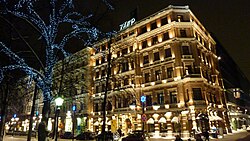
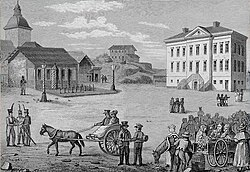
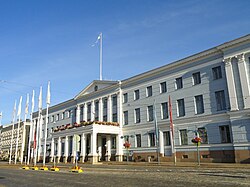
Founded in 1550, Helsinki's early history was marked by its role as a trading hub. However, its significance surged in 1812 when it was designated as the capital. The city underwent a massive rebuilding process in the 19th century, heavily influenced by neoclassical architecture.
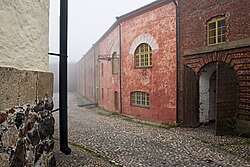
One of the city's most historic landmarks is Suomenlinna, a massive sea fortress whose construction began in 1748 to protect the region. Over the centuries, the city evolved from these defensive roots into a center of romantic nationalism and later, functionalism and modern architecture.
The Modern Cityscape
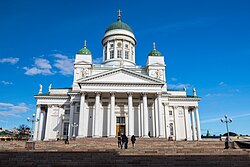
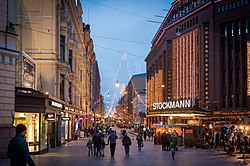
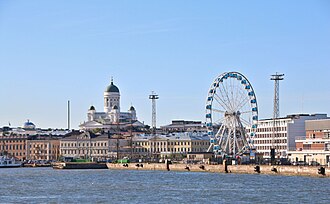
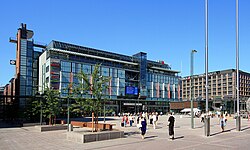
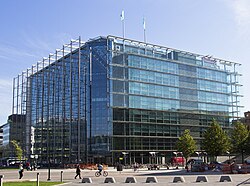
Today, Helsinki is a mix of historic landmarks and futuristic designs. The Helsinki Cathedral remains a dominant feature of the skyline, while the Oodi Central Library has gained international acclaim for its innovative architecture. In the Kalasatama district, the city's growth is evident in the rise of residential towers like the Majakka.
![The Oodi library is getting attention around the world.[56]](/images/d5/14/d514027d320e3b454b1e06c4cdef2a0124258706676c03f3f901d44262347d7f.jpg)
Culture, Education, and Economy
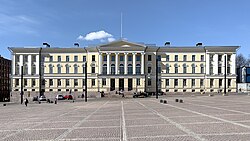
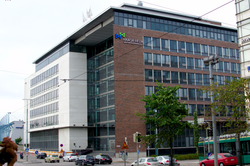
Helsinki is a hub for higher education and research. It is home to the University of Helsinki and Aalto University, alongside specialized institutions like the Hanken School of Economics and the Haaga-Helia University of Applied Sciences.
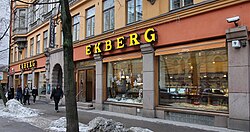
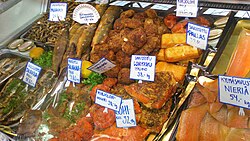
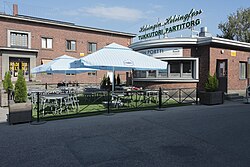
The city's cultural scene is rich with museums, including the Ateneum for classical art and Kiasma for contemporary art. The culinary landscape ranges from the historic Café Ekberg, the city's oldest coffeehouse, to the bustling Old Market Hall.
Infrastructure and Transport
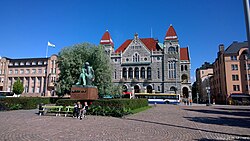
![A statue of Alexander II of Russia, the Grand Duke of Finland, by Walter Runeberg and Johannes Takanen [fi] and erected in 1894. He was a well regarded emperor among the majority of Finns at the time.[121]](/images/0b/ab/0baba179caba1f4b68fa8e44c90e9ab899e25e661b81b87627e7357d8a0a7913.jpg)
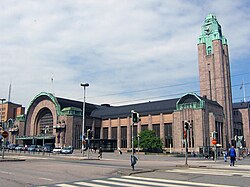
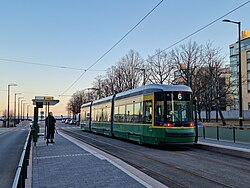
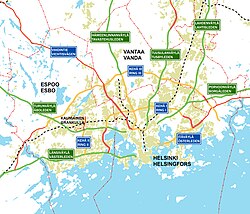
Helsinki boasts one of the densest tram networks in Europe, providing efficient urban mobility. The city is also well-connected by rail, with the Central Railway Station serving as a primary hub since 1919. For international travel, the city is served by Helsinki Airport in Vantaa and the South Harbour for sea transport.
Notable Residents
Helsinki has been the birthplace or home to many influential figures across various fields:
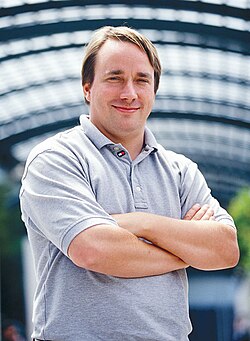
- Technology: Linus Torvalds, the creator of the Linux kernel.
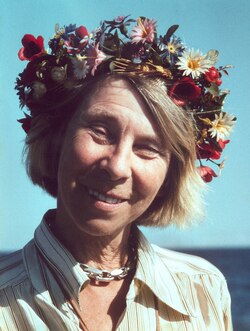
- Arts & Literature: Tove Jansson, the author and painter.
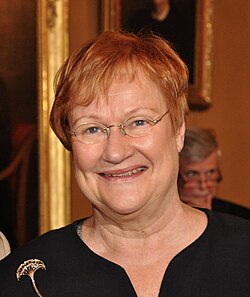
- Politics: Tarja Halonen and Alexander Stubb, both former Presidents of Finland.
- Music: Esa-Pekka Salonen, renowned conductor and composer.
- Business: Karl Fazer, founder of the Fazer chocolate company.
Frequently Asked Questions

What are the official languages of Helsinki?
The official languages are Finnish and Swedish. According to 2025 data, 73.4% of the population speak Finnish as their mother tongue, while 5.4% speak Swedish.
What is the tallest building in Helsinki?
The Majakka tower, located in the Kalasatama district and built on top of the Redi shopping centre, is currently Finland's tallest building at 134 meters.
When did Helsinki become the capital of Finland?
Helsinki was designated as the capital city on April 8, 1812.
What is Suomenlinna?
Suomenlinna is a historic sea fortress, the largest of its kind in Europe during its era, with construction beginning in 1748.
How is the public transport system in Helsinki?
Helsinki is well-known for its highly dense tram network, as well as its comprehensive intercity rail and road connections, including national roads 1, 3, and 4.