Heerlen: From Roman Outpost to Coal Mining Hub
Located in the southeast of the Netherlands, Heerlen is a city and municipality in the province of Limburg. As the third largest settlement in the province, it serves as a vital part of the Parkstad Limburg city-region, an agglomeration of eight municipalities with approximately 250,000 inhabitants. Positioned east of Maastricht and north of Aachen, Germany, Heerlen is characterized by its high elevation and a rich history that spans from prehistoric times to modern industrial innovation.
Key Facts
- Location: Southeast Netherlands, Province of Limburg.
- Population: 86,874 (Municipality, Jan 2021); Urban population of 200,957.
- Historical Significance: Former center of the Dutch coal mining industry.
- Architectural Landmark: The Glaspaleis, recognized among the 1,000 most important 20th-century buildings.
- Innovation: Home to the world's first minewater power station.
- Geography: One of the highest cities above sea level in the Netherlands.
A Journey Through History
The roots of Heerlen extend back to the Michelsberg culture (4400–3500 BC), evidenced by unique excavations at the Schelsberg featuring early earthworks. However, the city's formal development began with the Romans, who established a military settlement called Coriovallum at the intersection of major roads connecting Boulogne sur Mer, Cologne, Xanten, Aachen, and Trier.
One of the most significant Roman discoveries is the Thermae complex, a bathhouse discovered in 1940. This site, now the Thermenmuseum, underscores the importance of Coriovallum in the Roman era. Following the Roman retreat in the 3rd or 4th century, the area saw a resurgence in the 10th century with the growth of agriculture and the establishment of mills along the Caumerbeek, Schandelerbeek, and Geleenbeek valleys.
The medieval period saw Heerlen transition through various authorities, including the dukes of Brabant and the States-General of the Dutch Republic. After periods of conflict during the Eighty Years' War and French conquest under Napoleon, the city eventually became part of the Dutch province of Limburg.
The Coal Era and Economic Transformation
While Heerlen remained largely agrarian through the early 19th century, the discovery of coal at Valkenburgerweg in 1874 sparked a massive industrial shift. The establishment of the State Mines in 1901 accelerated growth, causing the population to skyrocket from 6,646 in 1900 to over 32,000 by 1930.
This "golden age" of mining lasted until the late 1950s, when competition from foreign coal and the discovery of natural gas in Groningen led to the closure of the mines between 1965 and 1975. This transition resulted in the loss of 60,000 jobs across the region, prompting a difficult period of economic readjustment.
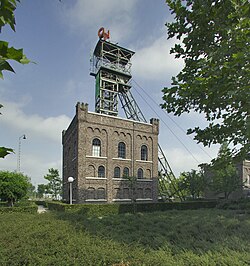
Today, the city has transitioned from "black to green" (van zwart naar groen), transforming mining debris into green hills. The Dutch Mine Museum, housed in shaft 2 of the Oranje Nassau I, preserves the memory of this era.
Architecture and Urban Design
The visual identity of modern Heerlen was heavily influenced by architect Frits Peutz. His most iconic work, the Glaspaleis (Glass Palace), built in 1935 for the Schunck department store, is a masterpiece of early Modernism. After a period of neglect, it was renovated to house cultural institutions and a museum of modern art.
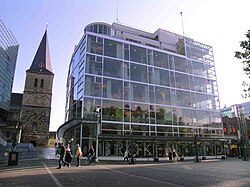
Beyond Modernism, the city retains several historical gems, including the 12th-century Romanesque Pancratiuskerk and the Schelmentoren prison tower. The outskirts feature historic watermills, such as the 14th-century Weltermolen, and castles like Hoensbroek Castle (dating to 1380) and Kasteel Terworm.
Notable Architects and Works
- Frits Peutz: Glaspaleis, Town Hall, and Municipal Theatre.
- Gerrit Rietveld: House on Zandweg (1961–1964).
- Jan Stuyt: Ambachtsschool (1913).
- Jo Coenen: Library and Stadsgalerij entrance.
Modern Economy and Infrastructure
Heerlen has reinvented itself as a commercial hub, boasting the largest furniture strip in Europe, anchored by a massive IKEA facility. In a nod to its industrial past, the city opened the world's first minewater power station in 2008, utilizing mine water to heat and cool homes and public buildings.
The city is well-connected via three railway stations: Heerlen, Heerlen Woonboulevard, and Hoensbroek, providing direct access to major cities like Amsterdam, Utrecht, and Cologne.
| Category | Detail |
|---|---|
| Total Area | 45.53 km² |
| Elevation | 113 m |
| Municipal Population | 86,874 (2021) |
| Metro Population | 247,731 (2014) |
| Key Industry (Past) | Coal Mining |
| Key Industry (Present) | Retail and Sustainable Energy |
Notable Figures
Heerlen has been home to many influential individuals across various fields:
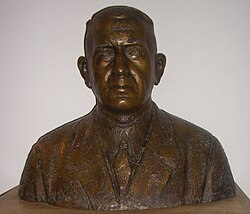
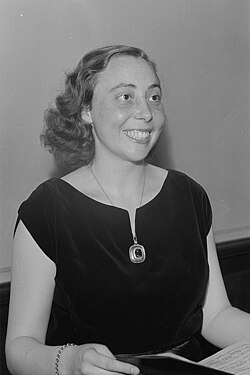
- Public Service: Frans Timmermans (Vice-President of the European Commission) and Jeanine Hennis-Plasschaert (former Minister of Defence).
- Arts: Soprano Agnes Giebel and symphonic metal singers Simone Simons (Epica) and Dennis "Seregor" Droomers (Carach Angren).
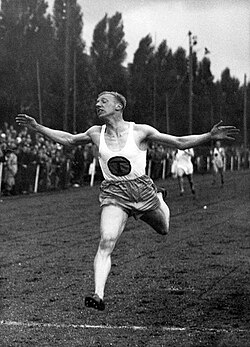
- Sports: Olympic bronze medallist Tinus Osendarp and footballer Fernando Ricksen.


Frequently Asked Questions
What is the Glaspaleis?
The Glaspaleis is a landmark building designed by architect Frits Peutz in 1935. It is an outstanding example of early Modernism and is listed as one of the 1,000 most architecturally important buildings of the 20th century.
What was the impact of coal mining on Heerlen?
Coal mining transformed Heerlen from a small agrarian village into a modern industrial city, causing a massive population boom in the early 20th century. However, the closure of the mines in the 1960s and 70s led to significant job losses and a long period of economic restructuring.
What is the minewater power station?
Opened in 2008, it is the world's first power station of its kind, using water from abandoned mines to provide heating and cooling for residential and commercial buildings.
What Roman remains can be found in Heerlen?
The most prominent Roman site is the Thermae complex, a bathhouse that indicates the importance of the Roman settlement Coriovallum. These remains are now showcased at the Thermenmuseum.
Which notable people are from Heerlen?
Notable residents include European politician Frans Timmermans, architect Jo Coenen, and various athletes and artists such as singer Simone Simons and sprinter Tinus Osendarp.