Harry Potter: The Global Phenomenon and Literary Legacy of J.K. Rowling
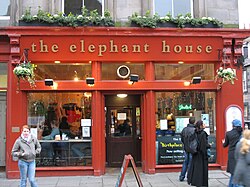
From its humble beginnings in Edinburgh cafés to becoming a multi-billion dollar global franchise, the Harry Potter series has redefined modern fantasy literature. Written by J.K. Rowling, this epic saga follows the journey of a young wizard and his friends as they navigate the magical world of Hogwarts School of Witchcraft and Wizardry.
The series, published by Bloomsbury in the United Kingdom, spans seven core novels released between 1997 and 2007. What began as a story about a boy discovering his magical heritage evolved into a complex narrative involving themes of good versus evil, friendship, and sacrifice, captivating readers of all ages across the globe.
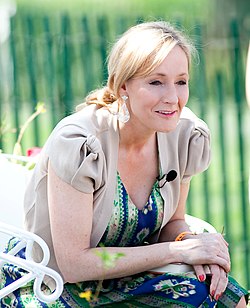
Key Facts
- Author: J. K. Rowling
- Original Publisher: Bloomsbury
- Total Books in Series: 7
- Publication Span: 1997 – 2007
- Genre: Fantasy
- Total Sales: Hundreds of millions of copies worldwide
The Seven Magical Volumes
The core narrative is delivered through seven distinct books, each marking a pivotal stage in the development of the characters and the escalating conflict against the dark wizard, Lord Voldemort. The series progressed from the foundational discovery of magic to an intense battle for the wizarding world.
The books were released in the following order:
- Harry Potter and the Philosopher's Stone (1997)
- Harry Potter and the Chamber of Secrets (1998)
- Harry Potter and the Prisoner of Azkaban (1999)
- Harry Potter and the Goblet of Fire (2000)
- Harry Potter and the Order of the Phoenix (2003)
- Harry Potter and the Half-Blood Prince (2005)
- Harry Potter and the Deathly Hallows (2007)
![The logo used in British, Australian, and Canadian editions before 2010, which uses the typeface Cochin Bold[56]](/images/0b/f6/0bf61a52b3b07eee22819e836b49651bcfe935725a613a96e306b3147a01c8d4.webp)
Commercial Success and Global Reach
The commercial impact of the series is staggering. The first book, The Philosopher's Stone, led the charge with 120 million copies sold, while the subsequent six books each maintained massive sales figures, ranging from 65 million to 77 million copies. This success translated into a massive cultural footprint, including numerous translations and international editions.
| Book Title | Estimated Sales (Millions) |
|---|---|
| Harry Potter and the Philosopher's Stone | 120 |
| Harry Potter and the Chamber of Secrets | 77 |
| Harry Potter and the Prisoner of Azkaban | 65 |
| Harry Potter and the Goblet of Fire | 65 |
| Harry Potter and the Order of the Phoenix | 65 |
| Harry Potter and the Half-Blood Prince | 65 |
| Harry Potter and the Deathly Hallows | 65 |
From Page to Screen and Beyond
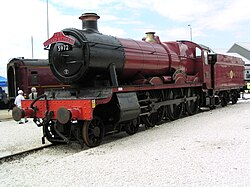
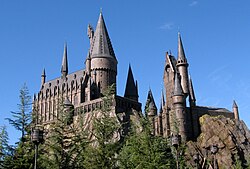
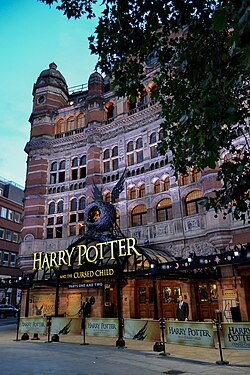
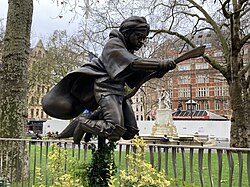
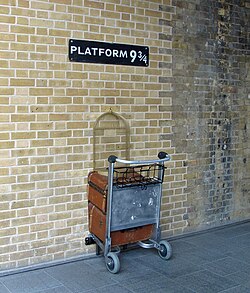
The legacy of Harry Potter extends far beyond the printed page. The series has been adapted into a highly successful film franchise, a stage production titled Harry Potter and the Cursed Child, and various video games. The visual identity of the series is iconic, from the depiction of Hogwarts Castle to the legendary Hogwarts Express locomotive.
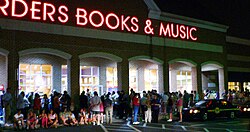
Fans can experience the magic through various media, including full-cast audiobooks featuring a wide array of talented narrators. The franchise has also inspired physical attractions, such as the Wizarding World of Harry Potter theme park areas, allowing fans to step into the environments described in the books.
Writing Origins in Edinburgh
The creative process for the series is famously linked to the city of Edinburgh. J.K. Rowling spent significant time writing the early chapters in local cafés, including The Elephant House and Spoon (formerly Nicholson's Cafe), which have since become landmarks for fans tracing the series' origins.

Frequently Asked Questions
Who is the author of the Harry Potter series?
The series was written by the British novelist J. K. Rowling.
How many books are in the original Harry Potter series?
There are seven core books in the original series, starting with The Philosopher's Stone and ending with The Deathly Hallows.
What is the genre of Harry Potter?
The Harry Potter series belongs to the fantasy genre.
Where was the series published?
The series was originally published in the United Kingdom by Bloomsbury.
Are there adaptations of the books?
Yes, the series has been adapted into films, a stage production (Harry Potter and the Cursed Child), video games, and audiobooks.