Harry Belafonte: The Legacy of the King of Calypso and Civil Rights Icon
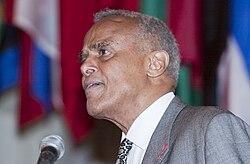
Harry Belafonte was far more than a global superstar; he was a bridge between the worlds of entertainment and social justice. Known widely as the King of Calypso, Belafonte utilized his immense fame as a singer and actor to champion the cause of human rights for over seven decades. From the stages of Broadway to the front lines of the American Civil Rights Movement, his life was a testament to the power of the artist as an activist.
Belafonte's career spanned from 1948 until his passing on April 25, 2023, at the age of 96. His influence extended across music, film, and global politics, leaving an indelible mark on the 20th century.
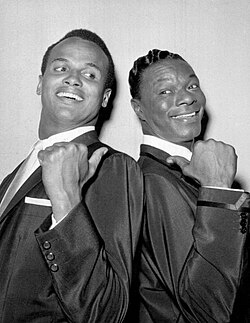
Key Facts
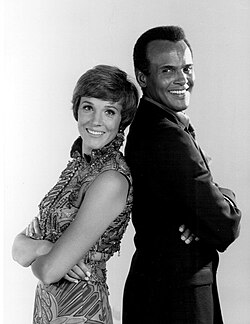
- Primary Titles: Singer, Actor, and Activist.
- Musical Legacy: Popularized Calypso, mento, folk, and world music.
- Civil Rights: Close confidant and financial supporter of Martin Luther King Jr.
- Major Awards: Tony Award winner and recipient of the Order of Merit (OM).
- Humanitarian Work: Extensive collaborations with UNICEF and advocacy for HIV/AIDS and prostate cancer awareness.
Musical Journey and the Rise of Calypso
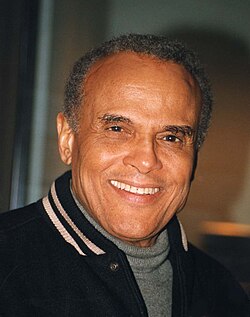
Belafonte's musical career began in the late 1940s, but he achieved unprecedented global success between 1956 and 1958. By blending Calypso (a style of Caribbean music) and mento with pop and folk sensibilities, he brought Caribbean culture to a mainstream international audience.
Throughout his recording career, which continued in various forms until 2017, Belafonte remained committed to world music, using his vocals to tell stories of struggle, joy, and liberation.
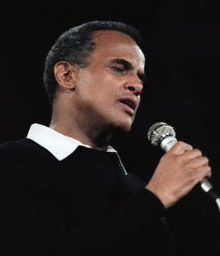
A Versatile Career in Film and Theatre
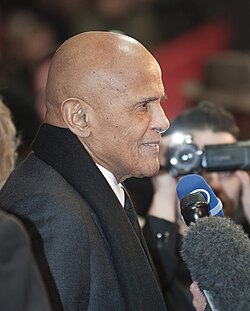
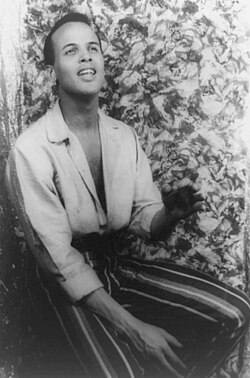
Parallel to his music, Belafonte was a formidable presence on screen and stage. He made his Broadway debut in John Murray Anderson's Almanac (1953), for which he won a Tony Award for Distinguished Supporting or Featured Musical Actor. This early success launched a film career that saw him break racial barriers in Hollywood.
His filmography includes notable roles in Carmen Jones (1954), Island in the Sun (1957), and Odds Against Tomorrow (1959). In his later years, he continued to contribute to the arts, appearing in the documentary BlacKkKlansman (2018).
Lifelong Political and Humanitarian Activism
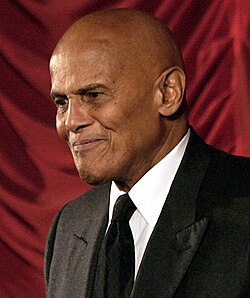
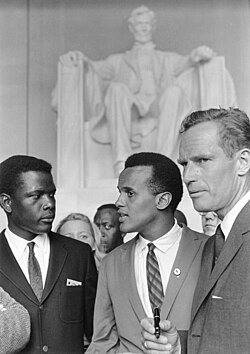
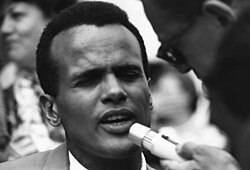
Belafonte viewed his celebrity as a tool for social change. He was deeply embedded in the Civil Rights Movement, playing a pivotal role in the 1963 March on Washington for Jobs and Freedom. His relationship with Martin Luther King Jr. was one of profound friendship and strategic partnership.
His activism was not limited to the United States. Belafonte was a vocal critic of the George W. Bush administration's foreign policy and a dedicated supporter of the Democratic Party. He later provided support for Bernie Sanders and helped establish the Sanders Institute.
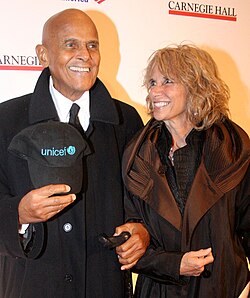
Beyond political policy, Belafonte focused on humanitarian crises. He worked extensively with UNICEF to end school fees and was a prominent voice in raising awareness for the HIV/AIDS crisis in Africa and prostate cancer research.
Personal Life and Later Years
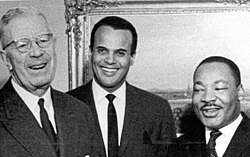
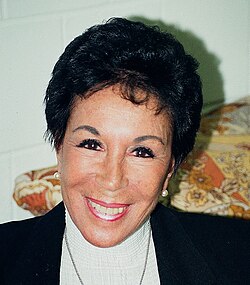
Belafonte's personal life was marked by three marriages: first to Marguerite Byrd (1948–1957), then to Julie Robinson (1957–2004), and finally to Pamela Frank in 2008. He was the father of four children, including Shari and Gina.
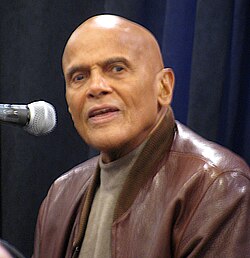
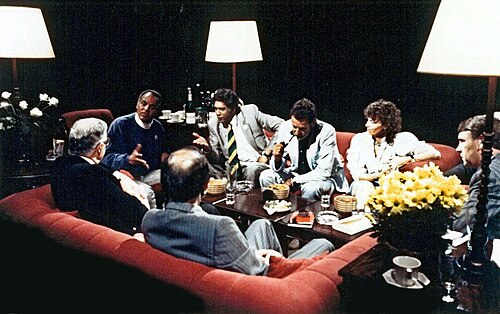
In his final decades, Belafonte remained a public intellectual, appearing on programs like After Dark and continuing to speak on the intersection of art and politics.
Below is a summary of Harry Belafonte's diverse professional contributions:
| Category | Key Contributions / Highlights |
|---|---|
| Music | Popularized Calypso; active from 1948–2017. |
| Theatre | Tony Award winner for John Murray Anderson's Almanac. |
| Film | Starred in Carmen Jones and Island in the Sun. |
| Activism | Civil Rights Movement, UNICEF, HIV/AIDS and Prostate Cancer awareness. |
| Politics | Democratic Party; supporter of MLK Jr. and Bernie Sanders. |
Frequently Asked Questions
What was Harry Belafonte's nickname?
He was widely known as the "King of Calypso" due to his success in popularizing Caribbean music globally.
How did Harry Belafonte contribute to the Civil Rights Movement?
Belafonte was a key organizer and financial supporter of the movement, a close friend of Martin Luther King Jr., and a prominent figure at the 1963 March on Washington.
What awards did he win in theatre?
He won a Tony Award for his role in John Murray Anderson's Almanac, as well as a Theatre World Award and a Donaldson Award for his debut.
Which humanitarian organizations did he work with?
He worked extensively with UNICEF, specifically advocating for the removal of school fees to increase education access.
When did Harry Belafonte pass away?
Harry Belafonte died on April 25, 2023, at the age of 96.