Hand-Pollination Techniques for Gardeners and Growers
In the natural world, plants rely on wind, insects, and animals to transfer pollen and ensure reproduction. However, there are many scenarios where these natural processes are insufficient or undesirable. This is where hand-pollination, also known as mechanical pollination, becomes an essential tool for gardeners, botanists, and specialty farmers.
At its core, hand-pollination is the manual transfer of pollen from the stamen (the male reproductive organ) of one plant to the pistil (the female reproductive organ) of another. In this process, the plant providing the pollen is referred to as the pollen donor or pollen parent, while the plant receiving the pollen is known as the seed parent.
How to Perform Hand-Pollination
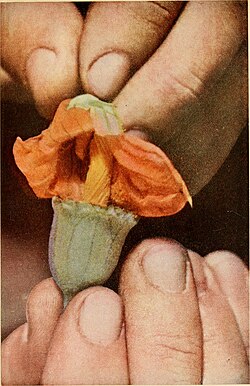
Depending on the species of plant, the method of manual transfer varies. For many common garden plants, a simple cotton swab or a small brush is used to collect pollen and apply it to the stigma. In other cases, growers may remove the petals from a male flower and brush the stamen directly against the female flowers.
For bisexual flowers—those containing both male and female organs—such as tomatoes, pollination can often be achieved by simply shaking the flowers to release the pollen.
Handling Specialized Pollen
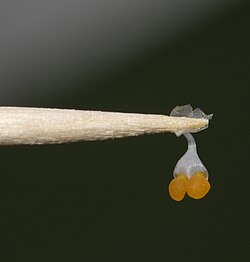
Some plants require more specific techniques. For example, orchids produce pollen in a condensed mass called a pollinium. Because of this structure, a small utensil is used to capture the pollinia so they can be accurately placed on the receiving plant.
Why Use Mechanical Pollination?
Hand-pollination is typically employed when natural pollinators are absent or when a grower needs precise control over the breeding process. Common reasons include:
- Lack of Pollinators: This occurs in urban areas, greenhouses, or regions where natural pollinators have declined. It is also necessary for plants like vanilla when they are grown in areas where their native pollinators do not exist.
- Environmental Barriers: Covers used to protect plants from pests can inadvertently block insects from reaching the flowers.
- Controlled Breeding: Growers use this method to prevent unwanted cross-pollination between different varieties or to create specific hybrids.
- Resource Efficiency: In the case of date palms, hand-pollination reduces the need to grow a large number of male plants, saving space and energy.
While effective, the labor-intensive nature of this process means it is primarily used on a small scale by individual plant owners and small market gardeners. Large-scale commercial operations, such as orchards and field crops, generally rely on honeybees or other managed pollinators for efficiency.
Case Study: Pears in Hanyuan County
A notable example of widespread hand-pollination occurs in Hanyuan County, China, where pear growers have used the technique since the 1980s. This practice was adopted because the local pear varieties have different flowering times, making natural cross-pollination impossible. Additionally, heavy insecticide use to combat lice infestations led local beekeepers to stop providing beehives to the area.
| Plant Species | Primary Reason for Hand-Pollination | Method/Context |
|---|---|---|
| Phalaenopsis (Moth Orchids) | Specialized pollen structure | Use of utensils for pollinia transfer |
| Phoenix dactylifera (Date Palms) | Resource optimization | Reducing number of male plants |
| Vanilla Plants | Geographic displacement | Lack of native pollinators in new areas |
| Hanyuan County Pears | Timing and pest control | Mismatched flowering times and bee absence |
Key Facts
- Mechanical Pollination is the manual transfer of pollen from a pollen donor to a seed parent.
- Tools used range from cotton swabs and brushes to simple shaking or specialized utensils for pollinia.
- Primary Drivers include pollinator decline, greenhouse environments, and the desire for specific hybrid varieties.
- Scale is typically limited to small-scale gardening due to high labor requirements.
Frequently Asked Questions
What is the difference between a pollen donor and a seed parent?
The pollen donor is the plant from which the pollen is collected, while the seed parent is the plant that receives the pollen to produce seeds.
Can all plants be hand-pollinated?
While many plants can be hand-pollinated, the technique varies by species. Some require simple shaking, while others, like orchids, require the manual movement of a pollinium.
Why isn't hand-pollination used for all commercial crops?
Because it is extremely labor-intensive, it is not cost-effective for large-scale field crops or orchards, which instead utilize honeybees or other natural pollinators.
What is a pollinium?
A pollinium is a condensed mass of pollen found in certain plants, such as orchids, which must be moved as a single unit rather than as individual grains.
How does pest control affect pollination?
In some regions, the use of insecticides to control pests can drive away or kill local bee populations, forcing growers to rely on hand-pollination to ensure crop yields.