Halifax: A Comprehensive Overview of Nova Scotia's Provincial Capital
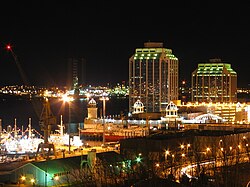
Halifax serves as the vibrant provincial capital of Nova Scotia and the administrative heart of the Halifax Regional Municipality. Established as a town in 1749 and officially incorporated as a city in 1841, this coastal hub has evolved from a historic settlement into a major North American gateway. Named after George Montagu-Dunk, the 2nd Earl of Halifax, the city is defined by its maritime heritage, reflected in its motto, "E Mari Merces" (From the Sea, Wealth).
Key Facts
- Founded: 1749
- Status: Provincial capital of Nova Scotia
- Population: 439,819 (2021 Census)
- Motto: "E Mari Merces" (From the Sea, Wealth)
- Major Port: North America's first inbound and last outbound shipping gateway to Europe
Geography and Climate
The Halifax Regional Municipality covers a vast area of approximately 5,475.57 km², while the urban core is more concentrated at 238.29 km². The landscape is characterized by its coastal positioning, with elevations ranging from sea level to a high of 241.9 meters.
The climate in Halifax is influenced by its proximity to the ocean, resulting in distinct seasonal shifts. Summers are relatively mild, with record high temperatures reaching 37.2°C, while winters can be quite cold, with record lows dipping to -29.4°C. Precipitation is distributed throughout the year, with significant snowfall occurring in the winter months, particularly in January and February.
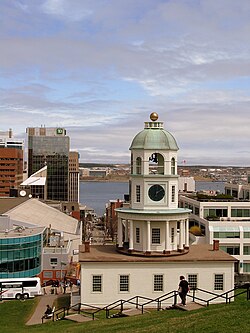
Culture, Architecture, and Public Spaces
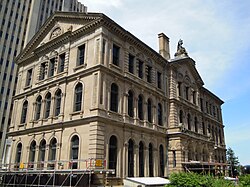
Halifax is a city rich in history and architectural diversity. From the Victorian-era beauty of the Halifax Public Gardens to the historic significance of St. Paul's Church, the city offers a blend of old-world charm and modern urban life. The public spaces, such as the Halifax Boardwalk, provide essential recreational areas for residents and tourists alike.


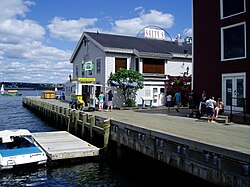
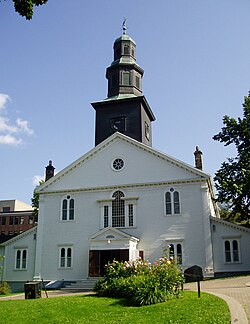
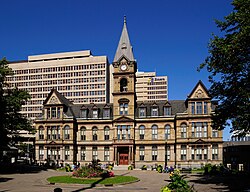
The city's cultural landscape is further enriched by institutions like the Art Gallery of Nova Scotia, which stands as the largest art gallery in Atlantic Canada.
Economy and Infrastructure
The economy of the Halifax Census Metropolitan Area (CMA) is robust, with a Gross Metropolitan Product of CA$ 24.4 billion as of 2020. Key economic drivers include maritime shipping, shipbuilding, and professional services. The Halifax Shipyard of Irving Shipbuilding is a major employer in the region.
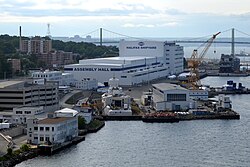
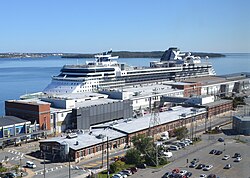
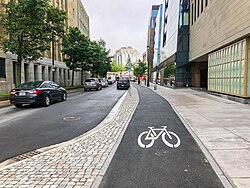
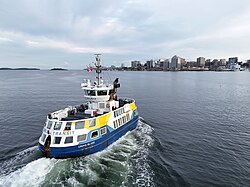
Transportation is a cornerstone of the region's connectivity. The Port of Halifax is a critical international shipping gateway. Locally, the city is served by Halifax Transit, including ferry services connecting to Dartmouth, and a growing network of dedicated bike lanes to support urban mobility.
Sports and Education
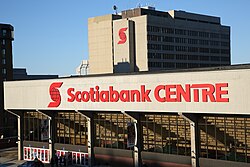
Halifax is a significant center for both professional and university sports. The Scotiabank Centre hosts major events, including games for the Halifax Mooseheads (QMJHL) and the Halifax Thunderbirds (NLL). The city also supports soccer through teams like the HFX Wanderers FC and Halifax Tides FC.


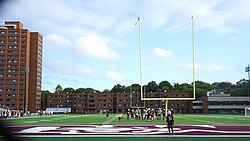
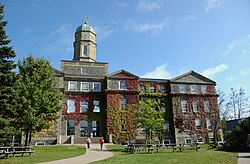
Higher education is a vital part of the community, led by institutions such as Dalhousie University, which was established in 1818 and remains one of the oldest English-language post-secondary institutions in Canada.
Demographics and Society
As of the 2021 census, Halifax has a diverse population of 439,819 people. The demographic makeup includes significant European, African, South Asian, and Indigenous communities. English is the primary mother tongue, spoken by over 86% of the population, followed by French and Arabic.
| Category | Statistic |
|---|---|
| Total Population (R-M) | 439,819 |
| Urban Population | 348,364 |
| Primary Language (English) | 86.43% |
| Largest Ethnic Group (European) | 79.43% |
| Largest Religious Group (Christianity) | 53.12% |
Frequently Asked Questions
What is the population of Halifax?
According to the 2021 census, the population of the Halifax Regional Municipality is 439,819.
When was Halifax founded?
Halifax was established as a town in 1749.
What is the main economic driver of Halifax?
The economy is heavily supported by its port, which serves as a major shipping gateway to Europe, as well as shipbuilding and various professional services.
What is the climate like in Halifax?
Halifax experiences a maritime climate with distinct seasons, featuring mild summers and cold winters with significant snowfall.
Who is the current Mayor of Halifax?
The current Mayor of Halifax is Andy Fillmore.