Gynaecology: Essential Insights into Female Reproductive Health
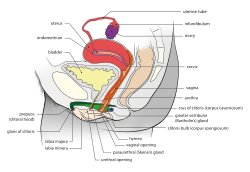
Gynaecology is a specialized branch of medicine dedicated to the health of the female reproductive system. While often discussed alongside obstetrics (the care of women during pregnancy and childbirth), gynaecology focuses specifically on the organs of the reproductive tract, including the ovaries, uterus, cervix, vagina, and vulva. A gynaecologist is the medical specialist trained to diagnose and treat a wide array of conditions ranging from hormonal imbalances to complex cancers.
Key Facts
- Specialist: Gynaecologists manage reproductive health, including oncology, infertility, and urogynaecology.
- Common Conditions: Includes endometriosis, polycystic ovary syndrome (PCOS), and uterine fibroids.
- Diagnostic Tools: Key tests include Pap smears, HPV testing, and laparoscopy.
- Subspecialties: Includes maternal and foetal medicine, reproductive medicine, and gynaecological oncology.
Common Gynaecological Conditions and Diseases
Gynaecologists address a diverse spectrum of health issues. These can be categorized into hormonal, structural, and infectious concerns.
Hormonal and Menstrual Disorders
Many patients seek care for irregularities in their menstrual cycles. This includes dysmenorrhoea (painful menstrual periods), menorrhagia (heavy menstrual bleeding), and amenorrhoea (the absence of menstrual periods). Other complex hormonal conditions include Polycystic Ovary Syndrome (PCOS) and Premenstrual Syndrome (PMS) or Premenstrual Dysphoric Disorder (PMDD).
Structural and Reproductive Issues
Structural concerns often involve abnormal growths or organ positioning. Common examples include:
- Uterine fibroids and polyps: Non-cancerous growths in the uterus.
- Endometriosis: A condition where tissue similar to the uterine lining grows outside the uterus.
- Pelvic organ prolapse: When pelvic organs shift from their normal position.
- Infertility: Challenges in achieving pregnancy.
Infections and Oncology
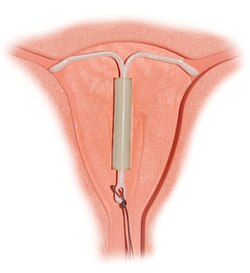
Infections of the vagina (vaginitis), cervix, or uterus can be caused by fungal, bacterial, viral, or protozoal agents. Pelvic inflammatory disease and urinary tract infections are also common areas of concern. Furthermore, gynaecological oncology focuses on cancers and pre-cancerous diseases of the reproductive organs, such as cervical or ovarian cancer.
Diagnostic Procedures and Testing
To accurately diagnose these conditions, specialists utilize several advanced medical tests and imaging techniques.
Screening and Laboratory Tests
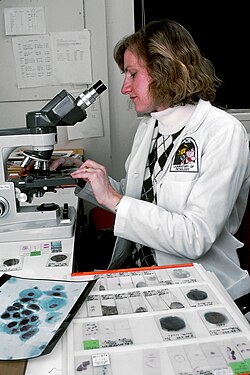
The Pap smear remains a cornerstone of cervical health, used to detect pre-cancerous changes. Testing for Human Papillomavirus (HPV) is also critical. Additionally, doctors monitor hormone levels to assess reproductive function.
Imaging and Surgical Diagnostics
For more detailed internal views, doctors may use:
- Hysteroscopy: A procedure to examine the inside of the uterus.
- Laparoscopy: A minimally invasive surgery used for both diagnosis and treatment.
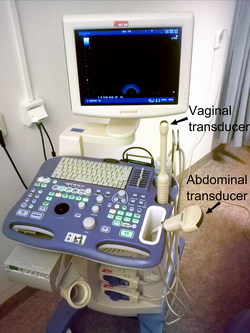
- Transvaginal Ultrasound: An imaging technique used to visualize pelvic organs.
Summary of Gynaecological Care
| Category | Examples |
|---|---|
| Subdivisions | Gynaecological oncology, Urogynaecology, Reproductive medicine |
| Common Tests | Pap smear, HPV test, Hysteroscopy, Laparoscopy |
| Major Conditions | Endometriosis, PCOS, Fibroids, Infertility |
| Infections | Vaginitis, Pelvic inflammatory disease, UTIs |
Frequently Asked Questions
What is the difference between a gynaecologist and an obstetrician?
While the terms are often used together, a gynaecologist focuses on the health of the female reproductive system, whereas an obstetrician specializes in pregnancy and childbirth.
What are some common symptoms that require a gynaecologist?
Symptoms such as irregular periods, severe pelvic pain, heavy bleeding, infertility, or unusual vaginal discharge are common reasons to seek specialist care.
What is a Pap smear used for?
A Pap smear is a screening test used to detect potentially pre-cancerous or cancerous cells on the cervix.
Can gynaecologists treat urinary issues?
Yes, through the subspecialty of urogynaecology, specialists can treat conditions such as urinary incontinence and pelvic organ prolapse.
What is endometriosis?
Endometriosis is a condition where tissue similar to the lining of the uterus grows in other parts of the body, such as the ovaries or pelvic cavity, often causing pain.