Gurugram: The Rise of India's Millennium City
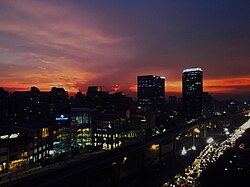
Known widely as the Millennium City and the "Cocktail Capital of India," Gurugram (formerly Gurgaon) is a sprawling metropolis in the state of Haryana. Once a quiet collection of villages, it has transformed into one of Asia Pacific's top five IT hubs, serving as a critical economic engine within India's National Capital Region.
The city is a study in contrasts, where futuristic skyscrapers and global corporate headquarters stand alongside historic landmarks and natural preserves. From the high-energy commercial districts of Cyber City to the serene migratory paths of Sultanpur, Gurugram embodies the rapid urbanization and economic dynamism of modern India.
Key Facts
- Official Name: Gurugram (renamed from Gurgaon in 2016).
- Location: Haryana, India (Coordinates: 28°27′22″N 77°01′44″E).
- Population: 876,969 (as per 2011 Census).
- HDI: 0.889 (Very High, 2017).
- Key Economy: Major IT and outsourcing hub with numerous global corporate headquarters.
- Area: 333 square kilometers.
City Profile and Governance
Established as a municipal corporation in 1979, Gurugram is governed by the Gurgaon Municipal Corporation and the Gurugram Metropolitan Development Authority. The city's administration is currently led by Mayor Rajrani Malhotra and Municipal Commissioner Narhari Singh Bangar.
The city's demographic landscape is predominantly Hindu (91.88%), with significant minority populations of Muslims (4.57%), Sikhs (1.60%), and Christians (0.95%). Hindi serves as the official language of the region.
Architecture and Urban Landscape
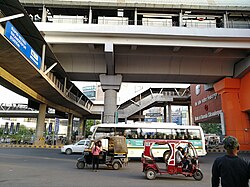
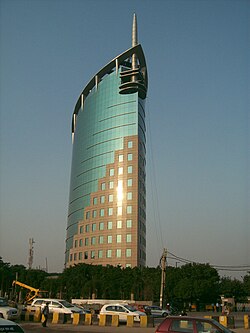
Gurugram's cityscape is defined by its rapid vertical growth and modern architectural marvels. The city is home to several iconic structures and commercial zones that attract business and tourism alike.
Commercial and Cultural Hubs
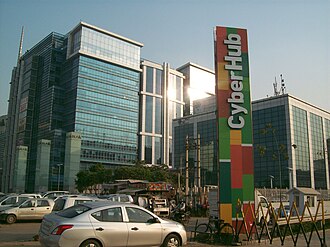
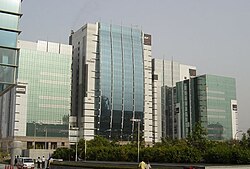
- DLF Cyber City: A premier business district featuring the DLF Cyberhub and DLF Galleria Market.
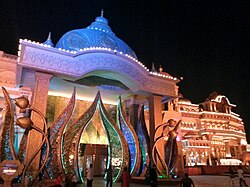
- Kingdom of Dreams: A unique entertainment and performing arts destination.
- Gateway Towers: A symbol of the city's corporate ambition.
Heritage and Nature
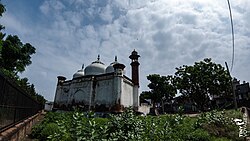
Despite its modernity, the city preserves elements of its past, such as the 18th-century Aliwardi mosque. For nature enthusiasts, the Sultanpur National Park is a critical Ramsar site—a wetland of international importance—famous for the migratory bird species that visit India during seasonal changes.

Climate and Environment
Gurugram experiences a climate characterized by extreme temperature variations. Summers can be intense, with record highs reaching 49.0°C (120.2°F) in May. Conversely, winters can be chilly, with record lows dipping to -1.0°C (30.2°F) in January.
The city receives the bulk of its precipitation during the monsoon season, particularly in July and August, with August averaging 211.4 mm of rainfall. However, this heavy rainfall often leads to urban flooding, a recurring infrastructure challenge for the city.
Education and Infrastructure
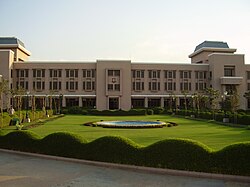
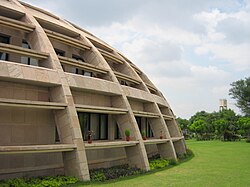
The city has invested heavily in intellectual and physical infrastructure to support its growing population and corporate base. Notable institutions include The NorthCap University and the National Brain Research Centre.
Transport Systems
Connectivity is a cornerstone of Gurugram's growth. The city is served by a comprehensive network including:
- Metro Rail: Integration with the Delhi Metro and the specialized Gurugram Metro (Rapid Metro).
- Roadways: Major arteries like NH48 connect the city to New Delhi and Jaipur.
- Airways: Proximity to major airports and headquarters for airlines like IndiGo and SpiceJet.
City Summary Table
| Category | Details |
|---|---|
| State | Haryana |
| Nicknames | Millennium City, Cocktail Capital of India |
| Total Area | 333 km² |
| Population (2011) | 876,969 |
| HDI (2017) | 0.889 (Very High) |
| Official Language | Hindi |
| Elevation | 237 m |
Public Safety and Crime
According to 2022 data, Gurugram has seen declines in several crime categories compared to 2021, including rape (-15%), child sex abuse (-21%), and burglary (-5%). However, there was a notable rise in snatching (+27%) and the arrest of proclaimed offenders (+46%). Vehicle theft remains a significant challenge, with 3,523 cases reported in 2022.
Frequently Asked Questions
What is the difference between Gurgaon and Gurugram?
Gurugram is the official name of the city, adopted by the Haryana government in 2016 to replace the former name, Gurgaon.
Why is Gurugram called the Millennium City?
It earned this nickname due to its rapid transformation into a modern, high-tech corporate hub with futuristic architecture and a concentration of global companies.
What is the climate like in Gurugram?
The city has a climate of extremes, with very hot summers (peaking around 45-49°C) and cool winters (dipping near 0°C), with heavy rainfall occurring during the monsoon months of July and August.
What is the significance of Sultanpur National Park?
It is a designated Ramsar site, meaning it is a wetland of international importance, and is renowned for hosting various migratory bird species.
How is the city connected to Delhi?
Gurugram is connected to Delhi via the Delhi Metro, the NH48 highway, and various public transit systems, making it a key part of the National Capital Region.