Guard Dogs: History, Breeds, and Protective Behaviors
A guard dog, or watchdog, is a canine specifically used to monitor and protect people or property from unwanted human or animal intruders. While many people use these terms interchangeably, there is a distinction in training: a dog specifically trained to attack intruders is classified as an attack dog.
Key Facts
- Guard dogs use loud barking as a primary deterrent to alert owners and scare intruders.
- Livestock guardian dogs can weigh between 50 and 100 kilograms (110–220 lb).
- Some breeds, like the Dobermann and Dogue Brasileiro, were specifically bred for guarding purposes.
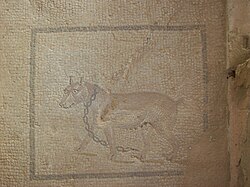
- Ancient Romans used "Cave canem" (Beware of the dog) mosaics to warn visitors of dangerous dogs.
- Legal requirements for guard dogs vary by country; for example, England's 1975 Guard Dogs Act regulates commercial usage.
The History of Guardian Dogs
Humans have relied on dogs for protection since ancient times. In ancient Rome, homeowners often placed Cave canem mosaics at their entrances to warn both visitors and potential intruders that dangerous dogs were on the property.
Early guardian types included Mastiff-type landraces of livestock guardian dogs—breeds developed to protect herds from large predators such as leopards, bears, and wolves. This role is even reflected in Greek mythology, where the dog Orthrus is known for guarding the red cattle of Geryon.
In urban settings, ancient protectors like the now-extinct bandogges were utilized. These dogs were typically chained during the day and released at night to secure villages, camps, and private properties.
Protective Behaviors and Deterrence
The primary tool of a guard dog is its bark. By barking loudly, the dog alerts the owner to a threat and attempts to frighten the intruder away. For livestock guardian dogs, such as the Kangal, a loud alarm bark serves as the first line of defense.
If barking fails to deter a foe, these dogs may employ other displays, including charging or bluffing. Physical aggression, such as biting, is generally used only as a last resort when all other forms of deterrence have failed.
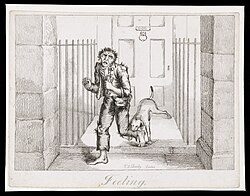
For those protecting against human intruders, dogs can be trained to be aggressive toward unrecognized people. These dogs are often tethered or kept in enclosed areas to protect the property during the owner's absence, particularly at night.
Guard Dog Breeds and Characteristics
Many modern guard dogs evolved from general-purpose farm dogs. However, some breeds were developed specifically for security work, most notably the Dobermann and the Dogue Brasileiro. These breeds typically exhibit specific traits, including dominance, territoriality, loyalty, and a natural aversion to strangers.
| Type | Primary Purpose | Key Characteristics |
|---|---|---|
| Watchdog/Guard Dog | Property and people protection | Territorial, loyal, alert barking |
| Livestock Guardian | Protecting herds from predators | Large size (50-100kg), proactive deterrence |
| Attack Dog | Active neutralization of intruders | Specifically trained to attack |
Legal Considerations
The laws governing the ownership and use of guard dogs differ significantly by jurisdiction. In England, the Guard Dogs Act 1975 is the primary legislation for dogs used on commercial premises. This act mandates specific requirements for kennels and requires the display of warning signs at the entrances of sites where guard dogs are present.
Frequently Asked Questions
What is the difference between a guard dog and an attack dog?
A guard dog is used to watch over and protect people or property, often using barking as a deterrent. An attack dog is specifically trained to physically attack intruders.
How do livestock guardian dogs handle threats?
They typically use a tiered defense system: starting with loud alarm barks, moving to bluffing and charging, and only resorting to biting if all other deterrents fail.
Which breeds were specifically created for guarding?
While many farm dogs evolved into guard dogs, the Dobermann and the Dogue Brasileiro were specifically bred for this purpose.
What are the typical traits of a guard dog breed?
Guard breeds tend to be protective, loyal, dominant, territorial, and generally averse to strangers.
Are there specific laws for using guard dogs in business?
Yes, in some regions. For example, the UK's Guard Dogs Act 1975 requires commercial sites to have proper kennels and visible warning signs.