A Legacy of Excellence: The 2010 Guangzhou Asian Games
In November 2010, the eyes of the sporting world turned to Guangzhou, China, for a spectacular display of athleticism and cultural unity. The 2010 Asian Games, held under the inspiring motto "Thrilling Games, Harmonious Asia," brought together thousands of competitors to vie for glory in a massive multi-sport event. From the glittering opening ceremony at Haixinsha Island to the final medal presentations, the Games left an indelible mark on the region.
Key Facts
- Host City: Guangzhou, China
- Dates: November 12 – November 27, 2010
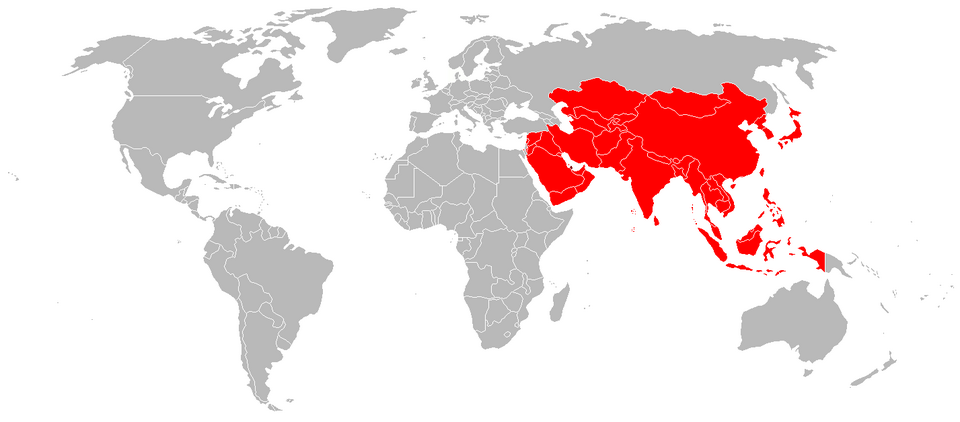
- Participating Nations: 45 National Olympic Committees
- Total Athletes: 9,704
- Sports Programme: 42 sports and 476 events
- Motto: Thrilling Games, Harmonious Asia
The Scale of Competition
The 2010 Games were a monumental undertaking, featuring a diverse array of 42 sports spanning 57 different disciplines. The competition was intense, with 9,704 athletes representing 45 nations, making it a truly continental celebration. The sheer variety of events ensured that there was something for every type of athlete, from traditional martial arts like Wushu and Karate to modern favorites like Swimming and Basketball.
The sports programme was exceptionally broad, including:
- Aquatics: Diving, swimming, synchronized swimming, and water polo.
- Combat Sports: Boxing, judo, karate, taekwondo, and wrestling.
- Precision Sports: Archery, shooting, and table tennis.
- Team Sports: Football, handball, rugby sevens, and volleyball.
- Traditional & Regional Sports: Dragon boat, kabaddi, and sepak takow.
Event Breakdown and Medal Opportunities
With 476 total events, the opportunity for gold was vast. The schedule was meticulously planned to manage the high volume of daily competitions. For instance, athletics and shooting were among the most significant contributors to the medal count, providing numerous opportunities for athletes to reach the podium.
| Sport | Total Events | Gold Medal Events |
|---|---|---|
| Athletics | 47 | 6 |
| Shooting | 44 | 6 |
| Swimming | 53 | 6 |
| Gymnastics | 18 | 1 |
| Judo | 16 | 4 |
| Taekwondo | 16 | 4 |
Ceremonies and Cultural Identity
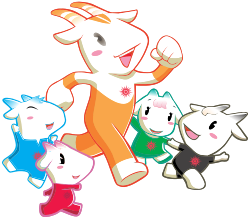
The spirit of the Games was encapsulated in its unique symbols. The mascots—A Xiang, A Ru, Le Yangyang, A Yi, and A He—served as friendly ambassadors for the event, while the official emblem represented the identity of Guangzhou. The torch relay served as a precursor to the excitement, traveling through various regions to build anticipation.
The opening ceremony, opened by Chinese Premier Wen Jiabao, took place at Haixinsha Island. It was a high-production spectacle designed to showcase China's progress and the theme of Asian harmony. The closing ceremony was presided over by Ahmad Al-Fahad Al-Sabah, President of the Olympic Council of Asia, marking the end of the two-week celebration.
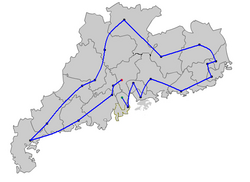
Venues and Infrastructure
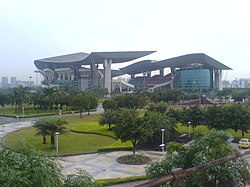
To host such a massive event, Guangzhou utilized and developed world-class facilities. The Guangdong Olympic Stadium was a central hub, utilized for all athletics events. Beyond the stadiums, the city integrated its transport networks, including the MTR, to ensure smooth movement for spectators and athletes alike.
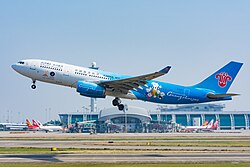
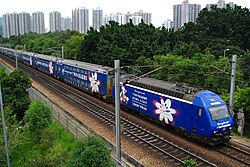
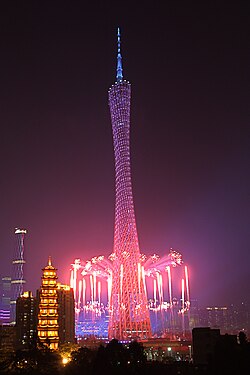
Urban integration was key to the Games' success. Public transport was decorated to promote the event, and even the local airline, China Southern Airlines, featured special liveries to celebrate the occasion. The city's skyline, including the iconic Canton Tower, became a backdrop for celebratory displays, including spectacular firework shows.
Frequently Asked Questions
Who opened and closed the 2010 Asian Games?
The opening ceremony was opened by Wen Jiabao, the Premier of China. The closing ceremony was conducted by Ahmad Al-Fahad Al-Sabah, the President of the Olympic Council of Asia.
How many athletes participated in the Guangzhou Games?
A total of 9,704 athletes participated in the 2010 Asian Games.
What was the official motto of the event?
The official motto was "Thrilling Games, Harmonious Asia" (Jīqíng shènghuì, héxié yǎzhōu).
Which city hosted the Asian Games following Guangzhou?
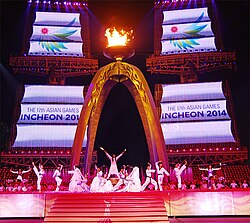
The 2014 Asian Games were hosted by Incheon, South Korea.
What was the venue for the opening ceremony?
The opening ceremony was held at Haixinsha Island.