Guam Territorial Symbols
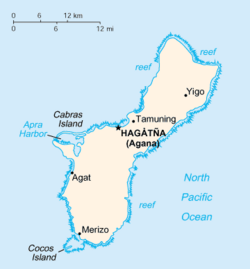
Guam, a vibrant island territory in the Western Pacific, possesses a rich cultural identity reflected in its official symbols. These emblems—ranging from the flag and seal to native flora and fauna—serve as representations of the island's heritage, its people, and its strategic importance in the region.
From the traditional roots of the Chamorro people to its modern administrative markers, these symbols provide a window into the spirit of the island.
Key Facts
- The Flag of Guam was officially adopted on February 9, 1948.
- The Guam rail serves as the official territorial bird.
- The island is known by several nicknames, including Tano y Chamorro (Land of the Chamorro).
- The official territorial song, "Stand Ye Guamanians," dates back to 1919.
- The official flower, Bougainvillea spectabilis, was designated in 1968.
Official Administrative Symbols
The administrative identity of Guam is defined by its official seal and flag, which represent the territory's governance and sovereignty.
The Seal and Flag
The Seal of Guam was established in 1946, preceding the official adoption of the Flag of Guam on February 9, 1948. Together, these symbols are used in official government capacities to represent the territory.
Currency and Identification
In more recent years, Guam's identity has been integrated into everyday items. A specific Quarter of Guam was released on May 26, 2009, and the official License Plate of Guam was introduced in the same year.
Cultural and Natural Emblems
Beyond government seals, Guam celebrates its natural environment and cultural legacy through designated plants, animals, and titles.
Nicknames and Anthem
Guam is recognized by three distinct nicknames that highlight its cultural and geographic significance: Tano y Chamorro (meaning Land of the Chamorro), the Hub of the Pacific, and the Gateway to Micronesia. The island's patriotic spirit is further captured in its official song, "Stand Ye Guamanians," written in 1919.
Flora and Fauna
The territory's biodiversity is honored through three specific natural symbols:
- Official Bird: The Guam rail.
- Official Flower: The Bougainvillea spectabilis, adopted in 1968.
- Official Tree: The Intsia bijuga, adopted in 1969.
Summary of Guam Territorial Symbols
| Symbol Type | Official Designation | Year Adopted |
|---|---|---|
| Flag | The Flag of Guam | 1948 |
| Seal | The Seal of Guam | 1946 |
| Song | "Stand Ye Guamanians" | 1919 |
| Flower | Bougainvillea spectabilis | 1968 |
| Tree | Intsia bijuga | 1969 |
| Quarter | Quarter of Guam | 2009 |
| License Plate | License Plate of Guam | 2009 |
Frequently Asked Questions
What are the nicknames of Guam?
Guam is known as Tano y Chamorro (Land of the Chamorro), the Hub of the Pacific, and the Gateway to Micronesia.
When was the Flag of Guam adopted?
The Flag of Guam was officially adopted on February 9, 1948.
What is the official bird of Guam?
The official bird of the territory is the Guam rail.
Which plants are official symbols of Guam?
The official flower is the Bougainvillea spectabilis (adopted 1968) and the official tree is the Intsia bijuga (adopted 1969).
What is the official song of the territory?
The official song is titled "Stand Ye Guamanians," which was established in 1919.