Grover Cleveland: The Only President to Serve Nonconsecutive Terms
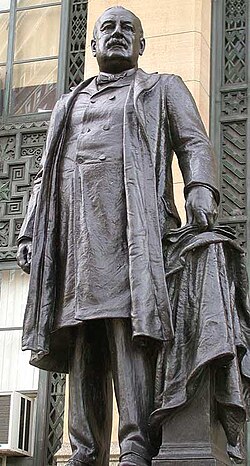
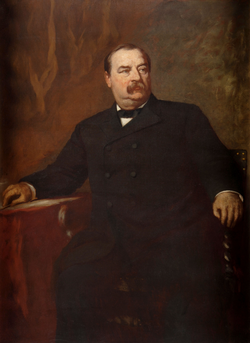
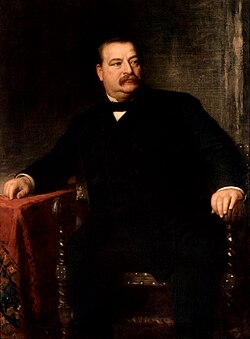
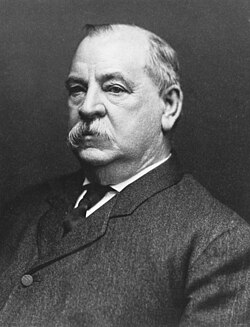
Stephen Grover Cleveland holds a unique place in American history as the only individual to serve as president of the United States twice in nonconsecutive terms. Serving as the 22nd president (1885–1889) and the 24th president (1893–1897), Cleveland was a pivotal figure for the Democratic Party, becoming the first Democrat elected to the White House following the American Civil War.
Known for his commitment to reform and his steadfast adherence to his principles, Cleveland's political journey took him from the local government of Buffalo to the highest office in the land, navigating an era of intense economic volatility and shifting foreign policy.
Key Facts
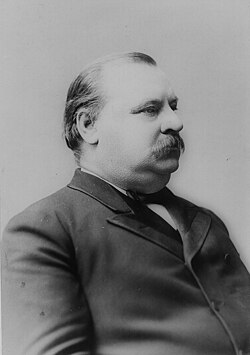
- Unique Tenure: The only U.S. president to serve two nonconsecutive terms (22nd and 24th).
- Political Rise: Served as Sheriff of Erie County, Mayor of Buffalo, and Governor of New York before the presidency.
- Party Affiliation: A prominent leader of the Democratic Party.
- Major Legislation: Signed the Dawes Act into law.
- Key Issues: Focused heavily on tariff reform, the silver standard, and civil service reform.
Early Life and Political Ascent
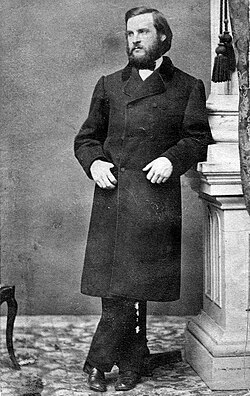
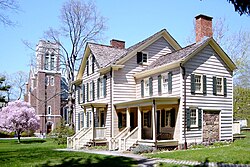
Born on March 18, 1837, in Caldwell, New Jersey, Cleveland's roots traced back to northeastern England. After his education and a move west, he established himself as a lawyer and entered public service in New York.
His rise through the political ranks was rapid. He first served as the 17th Sheriff of Erie County from 1871 to 1873, followed by a term as the 35th Mayor of Buffalo in 1882. His reputation for honesty and efficiency led to his election as the 28th Governor of New York in 1883, providing the springboard for his national ambitions.
The First Presidency (1885–1889)
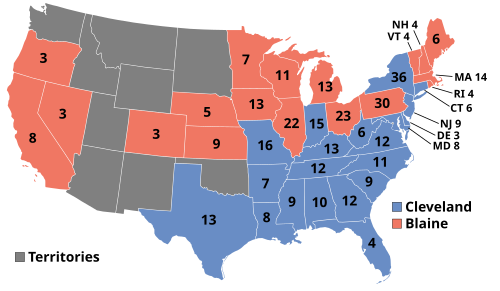
Cleveland's first campaign in 1884 was a hard-fought battle against James G. Blaine. The election was marked by personal scandals on both sides, including the Halpin scandal involving Cleveland and accusations of corruption against Blaine.
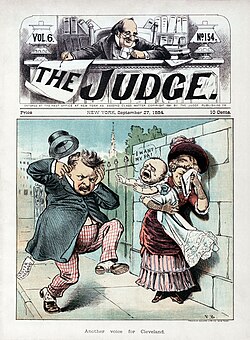
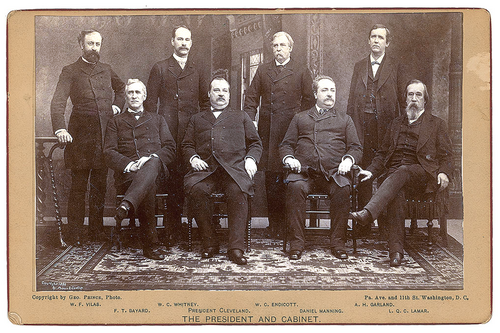
Upon taking office, Cleveland focused on reform, utilizing his veto power to block legislation he deemed wasteful or corrupt. His administration dealt with complex issues regarding tariffs and the silver standard. In terms of domestic policy, he signed the Dawes Act, a significant piece of legislation regarding Native American land allotment.
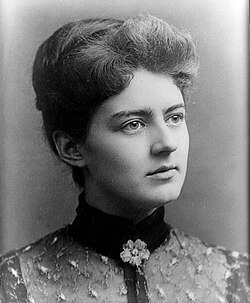
His personal life also made headlines during this term; he married Frances Folsom, who became one of the youngest First Ladies in U.S. history.
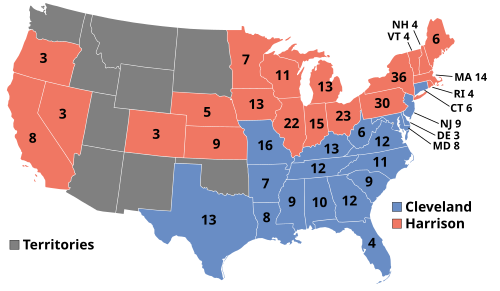
Cleveland's first term ended in 1889 after he lost the 1888 election to Benjamin Harrison, despite winning the popular vote.
The Second Presidency (1893–1897)
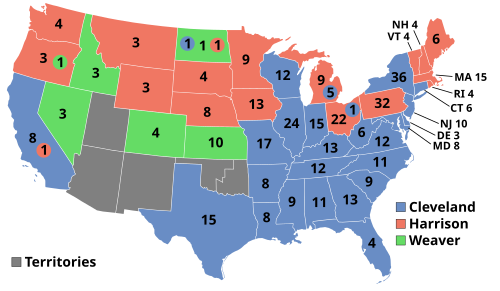
Cleveland successfully returned to the presidency in 1893 after defeating Benjamin Harrison. However, his second term was fraught with economic hardship, most notably the Panic of 1893, which led to severe economic depression.
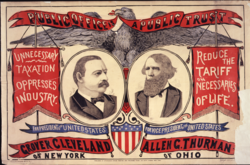
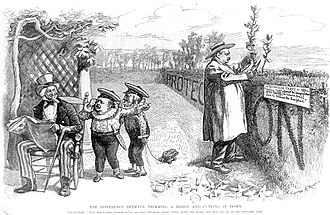
Cleveland remained committed to tariff reform, arguing that lower tariffs would stimulate the economy. This stance, along with his opposition to "free silver" (the unlimited coinage of silver), alienated some within his own party and led to clashes with political opponents.
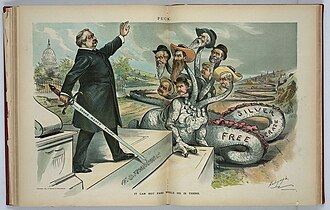
His second term also saw significant labor unrest, most notably the Pullman Strike, which the administration suppressed. In foreign policy, Cleveland dealt with the overthrow of the Hawaiian royal government, though he expressed opposition to the annexation of Hawaii.
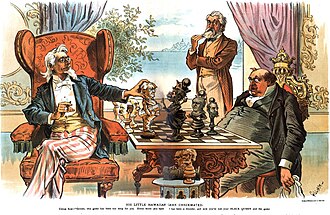
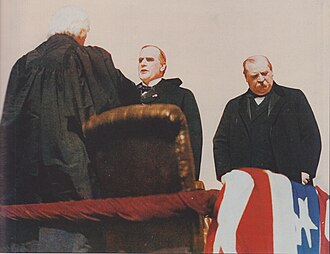
Toward the end of his second term, Cleveland's health declined as he battled cancer. He left office on March 4, 1897, handing the presidency to William McKinley.
Presidential Overview
| Role | Term/Years | Key Focus/Outcome |
|---|---|---|
| Sheriff of Erie County | 1871–1873 | Local law enforcement |
| Mayor of Buffalo | 1882 | Municipal administration |
| Governor of New York | 1883–1885 | State-level reform |
| 22nd U.S. President | 1885–1889 | Civil service reform, Dawes Act |
| 24th U.S. President | 1893–1897 | Panic of 1893, Tariff reform |
Post-Presidency and Legacy
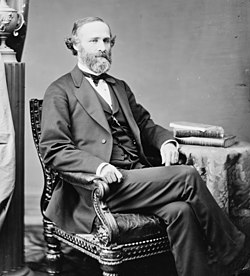
![John Tyler Morgan, Senator from Alabama, opposed Cleveland on free silver, the tariff, and the Hawaii treaty, saying of Cleveland that "I hate the ground that man walks on."[224]](/images/a7/34/a73439713890ae15937d63d61fa1eff67c8aa5f901e39043a3090dddc5b28942.jpg)
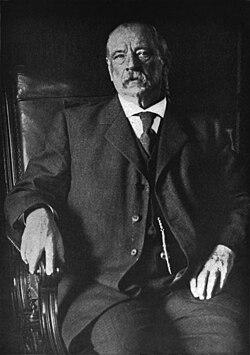
After leaving the White House, Cleveland retired to New Jersey. He remained an active voice in politics, notably joining the American Anti-Imperialist League in 1898. He passed away on June 24, 1908, at the age of 71 and is buried in Princeton Cemetery.
Frequently Asked Questions
Why is Grover Cleveland listed as both the 22nd and 24th president?
Grover Cleveland is the only president to serve two nonconsecutive terms. He served from 1885 to 1889 and then again from 1893 to 1897.
What was the "silver issue" during Cleveland's presidency?
The silver issue concerned whether the U.S. should maintain a gold standard or allow the unlimited coinage of silver (free silver) to increase the money supply, a point of intense debate during the economic depressions of the late 19th century.
How did Cleveland handle the Pullman Strike?
Cleveland's administration took a firm stance against the labor unrest, utilizing federal intervention to suppress the strike and ensure the movement of mail.
What was Cleveland's stance on Hawaii?
Despite the overthrow of the Hawaiian royal government during his second term, Cleveland was critical of the action and opposed the immediate annexation of the islands.
Who was the First Lady during Cleveland's terms?
Frances Folsom Cleveland was the First Lady; she is noted for being one of the youngest women to ever hold the position.