Great Lakes Twa: History, Culture, and Struggles of an Indigenous People
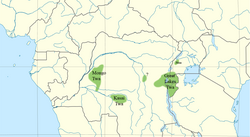
The Great Lakes Twa, also known as the Batwa (singular Mutwa), Abatwa, or Ge-Sera, are an indigenous pygmy people native to the border regions of Central and East Africa. As a Bantu-speaking group, they are widely considered the oldest surviving population in the African Great Lakes region. Today, they reside primarily in Rwanda, Burundi, Uganda, and the eastern Democratic Republic of the Congo (DRC).
With a total population estimated at approximately 80,000 around the year 2000, the Twa represent a significant minority. The largest concentration of this population is found in Burundi, where they were estimated to number 78,071 in 2008.
Key Facts
- Population: Approximately 80,000 (as of 2000).
- Primary Regions: Rwanda, Burundi, Uganda, and the Democratic Republic of the Congo.
- Languages: Dialects of Rundi, Kiga, and Tembo; also French, English, and Dutch historically.
- Traditional Role: Semi-nomadic mountain forest hunter-gatherers.
- Unique Craft: Unlike many other pygmy groups, the Twa are traditional potters.
Historical Context and Social Dynamics
Historically, the Twa lived as semi-nomadic hunter-gatherers in mountain forests, maintaining symbiotic relationships with neighboring agricultural villages. Their origins are linked to the arrival of the Hutu, a Bantu-speaking people who subjugated the local hunter-gatherers (Abatwa). While some theories suggest the Twa arrived alongside the Hutu, they have remained a small minority for centuries, comprising roughly 1% of the population in Rwanda and Burundi.
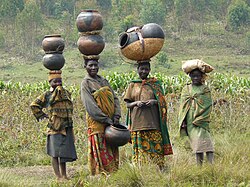
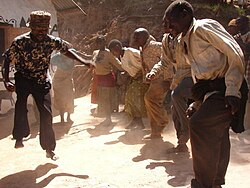
Despite their minority status, some Twa held specialized roles within the royal courts of Tutsi kings, serving as entertainers or executioners. A distinct cultural marker of the Twa is their skill in pottery; while other pygmy groups typically trade meat for pottery, the Twa produce their own.
Social Taboos and Perceptions
The Twa have historically faced social marginalization. One source of friction was the Twa practice of eating sheep, an act that was taboo for both Hutu and Tutsi populations, who used sheep skins for carrying infants and believed sheep helped calm cattle herds. In Rwanda, specific folklore suggested that sleeping with a Twa woman could cure acute backaches. Children resulting from these unions were known as Abasyete and were noted for having a different morphology.
Conflict and Displacement
The Twa are frequently overlooked in historical accounts of the ethnic conflicts between Hutus and Tutsis. However, they suffered immensely during the 1994 Rwandan genocide, with approximately 30% of the Twa population in Rwanda perishing in the violence.
Beyond ethnic conflict, the Twa have faced systemic displacement due to environmental conservation and development. In 1992, the Twa were expelled from the Bwindi Impenetrable Forest in Uganda after it was designated a World Heritage Site to protect endangered mountain gorillas.
The Crisis in Kahuzi-Biega National Park
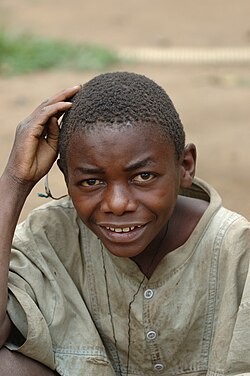
In 1975, the expansion of the Kahuzi-Biega National Park in the DRC led to the expulsion of 6,000 Batwa from their ancestral lands. After decades of failed negotiations, some Batwa returned to the park in 2019 to rebuild villages. This return was met with organized violence from park guards and the DRC army, involving military attacks, shelling, and severe human rights abuses, including rape and mutilation.
Current Socio-Economic Challenges
The loss of ancestral forests to logging, agriculture, and conservation has left most Twa landless and living in poverty. Without recognized land rights or government compensation, many have struggled to transition to agriculture or livestock rearing. In Rwanda, by 2007, begging had become the primary source of income for 40% of the Batwa.
This cultural collapse has led to social crises, including high rates of alcoholism among men who can no longer fulfill traditional provider roles. Furthermore, Twa children face severe barriers to education, and the community remains largely excluded from local and national governance.
Pottery as Cultural Identity
While industrial pottery has made traditional methods unprofitable, the Twa continue to produce pottery as a vital expression of their identity. The act of harvesting clay provides a rare opportunity for community socialization. However, this tradition is currently threatened by a 2005 land policy change that is converting clay-rich marshes into collectivized rice plantations.
Summary of Twa Distribution and Displacement
| Location | Country | Status/Event |
|---|---|---|
| Volcano National Park | Rwanda | Resettled (1970s–1980s) |
| Nyungwe Forest | Rwanda | Resettled (1970s–1980s) |
| Bwindi Impenetrable National Park | Uganda | Evicted (1991) |
| Mgahinga National Park | Uganda | Evicted (1991) |
| Kahuzi-Biega National Park | DRC | Evicted 1975; Returned 2019 |
| Virunga National Park | DRC | Indigenous Territory |
| Gishwati Forest | Rwanda | Evicted for plantations/dairy |
Frequently Asked Questions
Who are the Great Lakes Twa?
The Great Lakes Twa (or Batwa) are an indigenous pygmy people of the African Great Lakes region, spanning Rwanda, Burundi, Uganda, and the Democratic Republic of the Congo. They are traditionally semi-nomadic hunter-gatherers and are considered one of the oldest populations in the region.
How does Twa pottery differ from other pygmy groups?
Unlike many other pygmy peoples who trade meat for pottery and iron, the Twa are skilled potters themselves. Today, pottery serves as a crucial symbol of their cultural identity and social cohesion, even though it is no longer a primary source of profit.
What happened to the Twa during the Rwandan genocide?
Although often omitted from discussions regarding the Hutu-Tutsi conflict, the Twa were severely impacted by the 1994 genocide, with approximately 30% of their Rwandan population killed during the violence.
Why were the Twa expelled from their forests?
The Twa have been displaced by several factors, including the creation of national parks for wildlife conservation (such as the Bwindi Impenetrable Forest), logging, and the conversion of land for agricultural projects and dairy production.
What is the current status of the Twa in the DRC?
In the Democratic Republic of the Congo, the Twa have faced extreme hardship. Following their 2019 attempt to return to ancestral lands in Kahuzi-Biega National Park, they were subjected to violent campaigns by park guards and the national army.