Grant Fellows: A Legacy of Michigan Jurisprudence
Grant Fellows was a distinguished American jurist whose career spanned several decades of legal service in the state of Michigan. From his early education in Lenawee County to his eventual ascent to the state's highest court, Fellows played a pivotal role in shaping the legal landscape of his home state during the early 20th century.
Early Life and Legal Foundations
Born on April 13, 1865, in Hudson Township, Lenawee County, Michigan, Grant Fellows began his academic journey at Hudson High School. Following his secondary education, he pursued the study of law, a path that led to his admission to the Michigan bar—the official list of lawyers qualified to practice law in the state—in 1886.
After gaining admission to the bar, Fellows entered private practice, honing the legal expertise that would eventually propel him into public service and high-ranking judicial roles.
Rise to Public Service and Judicial Leadership
Fellows transitioned from private practice to public office in 1913, when he served as the Michigan Attorney General. A member of the Republican Party, he utilized this role to manage the state's legal affairs before moving into the judiciary.
In 1917, Fellows was appointed to the Michigan Supreme Court. He served on this prestigious bench for over a decade, providing critical legal interpretations and rulings. His leadership within the court peaked in 1922, when he served as the Chief Justice, the highest-ranking judge on the state's supreme court.
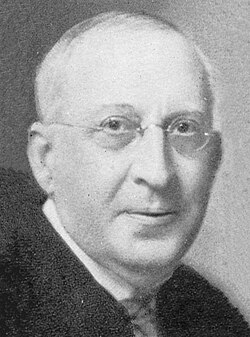
Key Facts
- Full Name: Grant Fellows
- Lifespan: April 13, 1865 – July 16, 1929
- Education: Hudson High School
- Bar Admission: 1886 (Michigan)
- Political Affiliation: Republican
- Major Roles: Michigan Attorney General (1913) and Michigan Supreme Court Justice (1917–1929)
- Chief Justice Tenure: 1922
Career Summary
| Year/Period | Role/Achievement | Location/Organization |
|---|---|---|
| 1886 | Admitted to the Bar | Michigan |
| 1913 | Attorney General | State of Michigan |
| 1917–1929 | Supreme Court Justice | Michigan Supreme Court |
| 1922 | Chief Justice | Michigan Supreme Court |
Grant Fellows continued his service on the court until his death on July 16, 1929, which occurred in a hospital in Lansing, Michigan.
Frequently Asked Questions
Where was Grant Fellows born?
Grant Fellows was born in Hudson Township, Lenawee County, Michigan.
When did Grant Fellows start practicing law?
He was admitted to the Michigan bar in 1886 and practiced law following his admission.
What political party was Grant Fellows affiliated with?
Grant Fellows was a member of the Republican Party.
When did he serve as the Chief Justice of the Michigan Supreme Court?
He served as the Chief Justice in 1922.
How long did he serve on the Michigan Supreme Court?
He served on the court from 1917 until his death in 1929.