Experience the Beauty of the Goyang International Flower Festival
Every year, the city of Goyang transforms into a vibrant tapestry of colors and scents during the Goyang International Flower Festival. As one of South Korea's largest and most prestigious floral celebrations, this event serves as a premier model for local culture festivals, blending international horticultural expertise with rich cultural performances.
Whether you are a professional florist, a gardening enthusiast, or a family looking for a weekend escape, the festival offers a unique window into the world of flowers. From rare plant species to massive outdoor themed gardens, the event bridges the gap between global industry trends and public enjoyment.
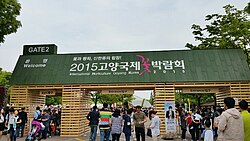
Key Facts
- Location: Goyang, South Korea (primarily at Ilsan Lake Park).
- Global Recognition: The first in the world to receive dual AIPH certification for both International Horticultural Exhibition and International Horticultural Trade Fair categories.
- Economic Impact: The 2024 festival generated an economic ripple effect of approximately 112.9 billion KRW.
- Scale: Has attracted over 5.7 million visitors since becoming an international exhibition in 1997.
- Core Purpose: Promotes the domestic flower industry and facilitates international trade and cultural exchange.
A Rich History of Floral Excellence
The festival's roots trace back to 1991, when it debuted as the Goyang Korea Flower Show. Originally an annual domestic event, it transitioned into an international festival in 1997. While it was held every three years between 1997 and 2012, the festival returned to an annual schedule in 2013, marking a period of rapid growth and international acclaim.
Over the decades, the event has evolved from a local show into a massive global exposition. By 2018, the festival featured over 320 flower-related organizations from 36 different countries, showcasing the latest trends in the global horticultural industry.
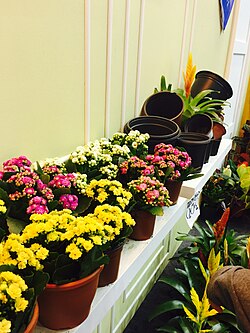
What to Expect: Events and Attractions
The festival offers a diverse range of experiences designed to engage all senses. The layout typically includes massive indoor exhibitions and sprawling outdoor gardens.
Outdoor Garden Wonders
Visitors can wander through meticulously designed landscapes, including:
- The Flower Tunnel: A breathtaking walkway surrounded by blooms.
- The Healing Garden: A tranquil space designed for relaxation.
- Themed Gardens: Such as the Mosaic Culture Garden, the Korea Garden Show, and the Children's Garden.
- The Flower Wall: A stunning vertical display of floral artistry.
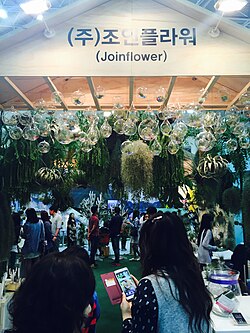
Interactive Programs and Culture
Beyond just viewing flowers, attendees can participate in various hands-on activities and cultural contests. Popular programs include:
- Traditional Arts: Traditional flower arrangement contests and opportunities to wear traditional Korean clothing.
- Creative Workshops: Making soap, pots, or artificial flowers, as well as flower drawing contests.
- Leisure Activities: Enjoying a relaxing flower boat ride.
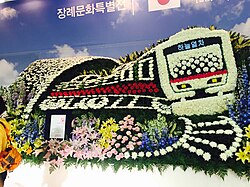
Sustainability and Innovation
In recent years, the festival has embraced ESG (Environmental, Social, and Governance) values. In a significant move toward environmental stewardship, the 2026 festival partnered with the Korea Arboreta and Gardens Institute to launch a public campaign supporting the restoration of forests damaged by wildfires.
The 2026 edition also introduced a unique "time-traveling" concept under the theme "Flowers, Coloring Time". This theme connects the past, present, and future of horticultural design, highlighted by the "Time Traveler’s Garden" and its centerpiece: a 10-meter-tall clock sculpture crafted entirely from blooming flowers.
Economic and Industry Impact
The Goyang International Flower Festival is more than just a tourist attraction; it is a vital engine for the horticultural economy. The festival facilitates "Exchanges of World Flowers," where international and local firms exhibit new varieties, and foreign buyers are introduced to domestic florists.
The economic success of the event is substantial. For instance, in 2015, the festival generated a profit of approximately 71.1 billion won. By 2024, the event's economic ripple effect reached approximately 112.9 billion KRW (approx. US$83 million), proving its importance to the regional economy.
Festival Statistics Summary
| Year/Period | Key Highlight | Visitor/Economic Data |
|---|---|---|
| 1991 | First Goyang Korea Flower Show | Domestic event |
| 2015 | 9th International Festival | 550,000+ visitors; 71.1 billion won profit |
| 2018 | 12th International Festival | 6.2 million cumulative visitors reached |
| 2024 | "Flower in the Earth" Theme | 687,899 visitors; 112.9 billion KRW impact |
| 2026 | "Flowers, Coloring Time" Theme | Dual AIPH Certification achieved |
Exploring the Surrounding Area
Visitors to the festival can easily explore other major attractions in the Goyang area:
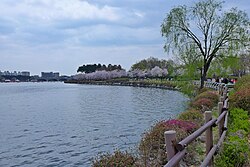
- Ilsan Lake Park: Home to the largest artificial lake in East Asia, perfect for cycling and weekend performances.
- Lafesta: A massive street-themed shopping center (Urban Entertainment Center) featuring cinemas, fashion outlets, and themed cafés.
- Onemount: A large complex-cultural facility offering a water park, a snow park, and over 125 shopping outlets.
Frequently Asked Questions
Where is the festival held?
The festival is primarily held in the city of Goyang, South Korea, with a major venue being the Ilsan Lake Park.
What makes this festival unique globally?
It is the first festival in the world to receive dual approval from the International Association of Horticultural Producers (AIPH) for both the International Horticultural Exhibition and the International Horticultural Trade Fair categories.
Are there activities for children?
Yes, the festival includes a dedicated Children's Garden and various interactive programs such as flower drawing contests and craft-making workshops.
Can I buy flowers at the festival?
Yes, the festival includes flower shops where items are sold directly by farmers, and it serves as a major hub for both domestic and international flower trade.
What is the significance of the 2026 theme?
The 2026 theme, "Flowers, Coloring Time," uses a time-traveling concept to connect the history and future of horticultural design, featuring a 10-meter-tall floral clock sculpture.