Goyang Geumjeong Cave Massacre: A Tragic Chapter of the Korean War
During the turbulent period of the Korean War, several incidents of violence against non-combatants occurred across the peninsula. One of the most somber events was the Goyang Geumjeong Cave massacre, a war crime involving the summary execution of unarmed civilians in the Gyeonggi-do province of South Korea.
Taking place at the site of a former gold mine, this event serves as a significant historical marker of the tensions and human rights violations that occurred during the conflict between North and South Korean forces.
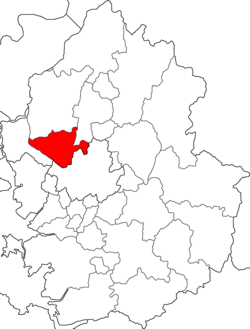
Historical Context and the Incident
The massacre occurred between October 9, 1950, and October 31, 1950. This period followed the victory in the Second Battle of Seoul, a time when South Korean authorities were actively identifying and apprehending individuals suspected of being communists or sympathizers of North Korea.
During this crackdown, the South Korean Police targeted individuals and their family members. The victims were taken to the Geumjeong Cave site in Goyang and executed. This tragedy coincided with other similar violence in the region, such as the Namyangju massacre.
Key Facts
- Location: Goyang, Gyeonggi-do, South Korea (a former gold mine site).
- Date: October 9, 1950 – October 31, 1950.
- Perpetrators: South Korean Police.
- Total Deaths: 153 unarmed civilians.
- Victim Profile: Included 8 teenagers and 7 women who had no connection to rebel activities.
The Search for Truth and Justice
For decades, the details of the massacre remained largely unaddressed by the state. It was not until 1995 that the families of the victims were able to excavate the bodies of the 153 deceased from the cave site.
The Role of the Truth and Reconciliation Commission
The Truth and Reconciliation Commission (TRCK), a body established to investigate human rights violations in South Korean history, played a crucial role in bringing this event to light. In 2006 and 2007, the Commission made formal demands to the South Korean government, requesting:
- A formal government apology.
- The provision of compensation to the victims' families.
- The construction of a memorial to honor the deceased.
Despite these recommendations, the government initially refused to comply with the Commission's demands.
Legal Redress and Court Rulings
The struggle for justice eventually reached the judicial system. On November 28, 2011, the Seoul Central Court issued a landmark ruling. The court ordered the South Korean government to apologize to the families, pay reparations, and provide funding for a memorial. The court noted that the victims' fundamental rights—including the right to liberty and the right to a fair trial—had been violated.
Summary of the Goyang Geumjeong Cave Massacre
| Category | Details |
|---|---|
| Event Name | Goyang Geumjeong Cave massacre |
| Timeframe | October 1950 |
| Primary Perpetrators | South Korean Police |
| Number of Victims | 153 civilians |
| Legal Outcome | Court-ordered apology and reparations (2011) |
Frequently Asked Questions
Who were the victims of the massacre?
The victims were 153 unarmed civilians, including women and teenagers, who were suspected of being communists or communist sympathizers. The Truth and Reconciliation Commission later clarified that many had no relation to rebel groups.
When did the massacre take place?
The killings occurred over a three-week period between October 9, 1950, and October 31, 1950.
Where did the event occur?
The massacre took place at a former gold mine located in Geumjeong Cave, in the Goyang area of the Gyeonggi-do district in South Korea.
What was the government's initial response to the Truth and Reconciliation Commission?
Initially, the South Korean government did not show intention to follow through on the Commission's recommendations for an apology, compensation, or a memorial, despite multiple demands in 2006 and 2007.
Did the victims' families receive any legal compensation?
Yes. Following a 2011 ruling by the Seoul Central Court, the government was ordered to apologize, pay reparations to the families, and fund a memorial for the victims.