Exploring Georgia: A Journey Through History, Culture, and Landscape
Nestled at the intersection of Europe and Asia, Georgia (known locally as Sakartvelo) is a nation defined by its resilient spirit and breathtaking diversity. From the ancient peaks of the Caucasus Mountains to the subtropical shores of the Black Sea, Georgia offers a rich tapestry of historical depth, unique linguistic heritage, and a culinary tradition that has captivated travelers for centuries.
Whether you are drawn to its medieval fortresses, its status as one of the world's oldest wine-producing regions, or its complex political journey toward European integration, Georgia stands as a vital crossroads of civilization.
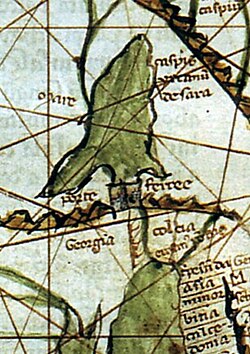
Key Facts
- Capital: Tbilisi
- Official Language: Georgian (with Abkhaz recognized regionally)
- Population: Approximately 3.65 million (2024 census)
- Currency: Georgian Lari (GEL)
- Government: Unitary parliamentary republic
- Major Religions: Christianity (85.4%, primarily Georgian Orthodox) and Islam (11.1%)
- Motto: "Strength is in Unity" (Dzala ertobashia)
A Deep Dive into Georgian History
Ancient Roots and the Medieval Golden Age
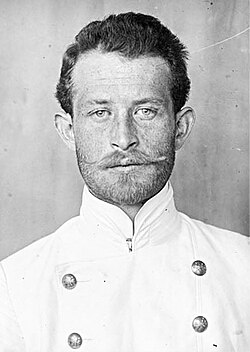
The foundations of the Georgian state can be traced back to the ancient kingdoms of Colchis and Iberia, dating as far back as the 13th century BC. A pivotal moment in the nation's identity occurred in the 4th century when King Mirian III converted the nation to Christianity, establishing a religious tradition that remains central to Georgian life today.
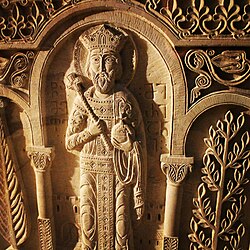
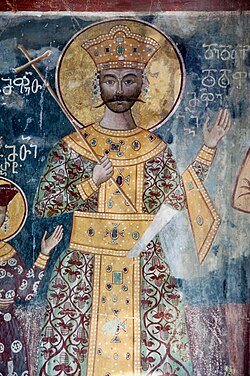
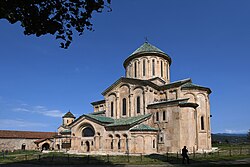
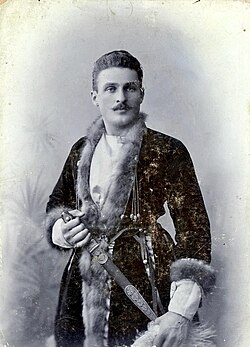
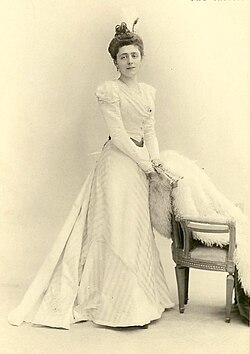
The medieval period saw the unification of Georgia in 1008, leading to a "Golden Age" of cultural and political influence. During this era, monarchs like Queen Tamar—the first woman to rule Georgia—oversaw a period of immense prosperity and artistic achievement.
![Queen Tamar, the first woman to rule Georgia.[73]](/images/41/a3/41a398705daf043353777d105df09f0ce99224137ee6470bfd34894c6a7a6696.jpg)
From Imperial Rule to Modern Independence
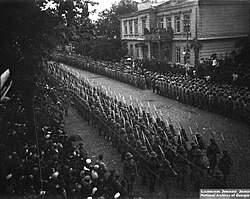
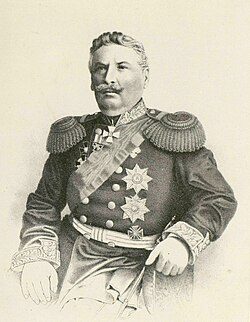
Following a period of tripartite division, Georgia was annexed by the Russian Empire in the early 19th century. The nation briefly regained independence in 1918, only to face Soviet annexation in 1921. After decades of Soviet rule, Georgia declared independence from the Soviet Union in 1991.
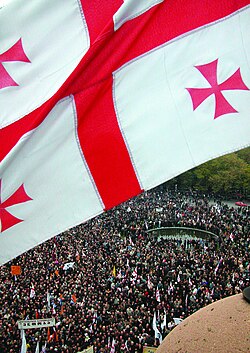
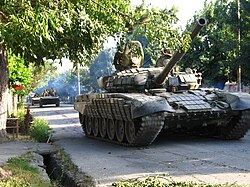
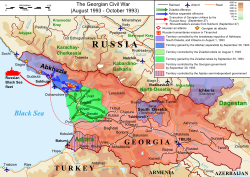
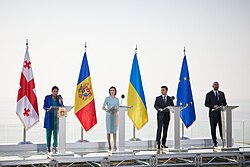
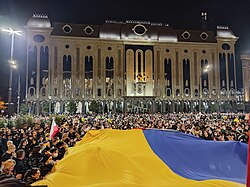
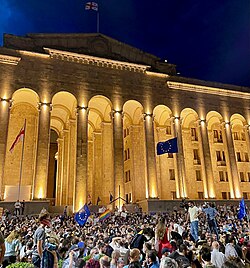
The late 20th and early 21st centuries have been marked by significant political shifts, including the 2003 Rose Revolution, which sought to modernize the state, and the 2008 Russo-Georgian War. Today, the country continues to navigate its sovereignty and its aspirations for closer ties with the European Union.
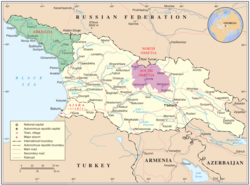
Geography and Natural Wonders
Diverse Climates and Landscapes
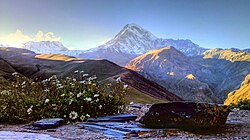
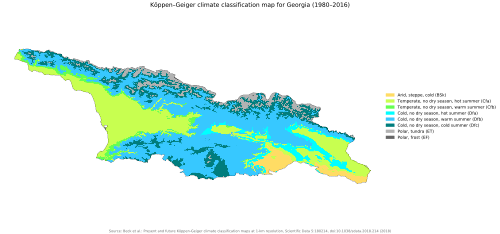
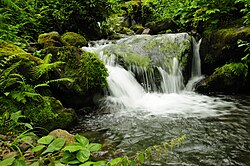
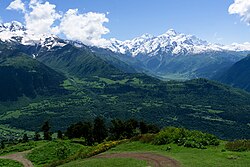
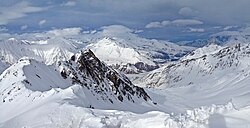
Georgia's topography is incredibly varied. The north is dominated by the towering Caucasus Mountains, featuring dramatic peaks like Mount Kazbek. In contrast, the western regions enjoy a subtropical climate characterized by frequent rainfall and lush, green vegetation.
Biodiversity and Regional Beauty
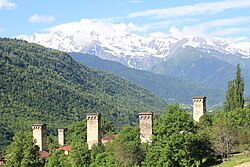
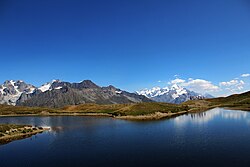
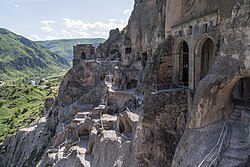
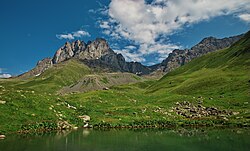
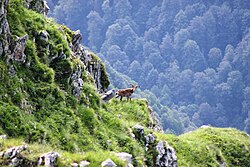
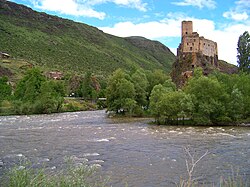
From the high-altitude alpine lakes of the northwest to the unique cave cities carved into stone, the landscape is a haven for nature lovers. The Svaneti region, known for its medieval towers, and the protected areas of Lagodekhi offer glimpses into both human history and untouched wilderness.
Culture, Cuisine, and Economy
The Art of the Supra and Winemaking
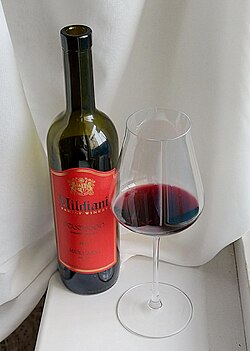
Georgian culture is famously centered around the Supra—a traditional feast where hosts present a wide array of dishes. A cornerstone of this culinary experience is wine. Georgia is home to one of the world's oldest winemaking traditions, making wine a vital component of both the culture and the economy.

Modern Economy and Connectivity
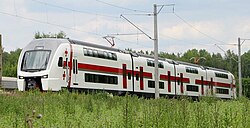
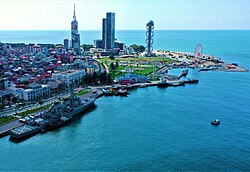
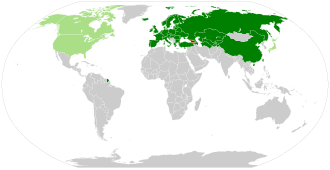
Georgia serves as a strategic corridor between Europe and Central Asia. The Georgian Railways act as a vital artery, while the Batumi Seaport facilitates significant maritime trade. The economy is increasingly integrated with global markets, with the European Union being a primary trading partner.
Sports and Leisure
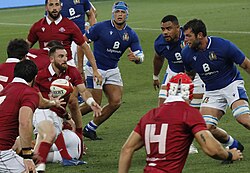
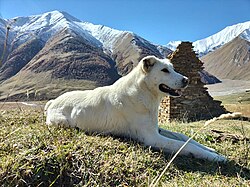
Beyond its historical sites, Georgia is a nation of active enthusiasts. Rugby is a major sport, and the country boasts world-class destinations like Gudauri for skiing. The local fauna, such as the Georgian Shepherd Dog, also plays a role in the rural and cultural identity of the country.
Summary of National Profile
| Category | Details |
|---|---|
| Capital City | Tbilisi |
| Total Area | 69,700 km² |
| Population (2024) | 3,657,000 |
| GDP (PPP) Estimate 2026 | $123.049 billion |
| Main Trading Partner | European Union (22.1%) |
| Official Language | Georgian |
Frequently Asked Questions

![Ethno-linguistic groups in the Caucasus region as of 1995[324]](/images/1d/96/1d968944b0c5585712a620661fde5389fef67b73bebf2bda864d3bc72244d2c4.webp)

What is the official language of Georgia?
The official language is Georgian. Additionally, Abkhaz is recognized as a regional language.
What are the disputed territories in Georgia?
The Abkhazia and Tskhinvali Region (South Ossetia) are territories that are currently outside the control of the central Georgian government.
Is Georgia part of the European Union?
While Georgia has signed Association Agreements with the EU and has sought closer integration, it is currently working toward its goals of European and Euro-Atlantic integration.
What is the most popular tourist activity in Georgia?
Tourism in Georgia is diverse, ranging from exploring medieval architecture and cave cities to skiing in Gudauri and experiencing the traditional wine culture.
What is the currency used in Georgia?
The official currency is the Georgian Lari (GEL).