Garnishing Techniques: Elevating Food and Drink Presentation
In the culinary world, the difference between a simple meal and a professional masterpiece often lies in the final touch. A garnish is an item or substance used to decorate or embellish a prepared food dish or drink. While some garnishes are chosen purely for their visual appeal, others are selected to impart additional or contrasting flavors to the palate.
It is important to distinguish a garnish from a condiment. While a condiment is a prepared sauce added primarily for flavor, a garnish serves as an embellishment. Furthermore, a true garnish must be edible; for instance, while plastic grass used in sushi presentation serves as a decoration, it does not qualify as a garnish because it cannot be consumed.
When a dish is served with a garnish, it may be described as garni, a term derived from the French word for "garnished." From a single sprig of parsley to intricate vegetable carvings, garnishing transforms the dining experience.
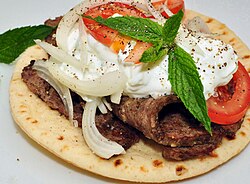
Key Facts
- Edibility: Unlike pure decorations, all culinary garnishes should be edible.
- Purpose: Garnishes enhance color, provide visual contrast, and can add flavor.
- Terminology: In French, a garnished dish is called garni; in Korean, the practice is known as gomyeong.
- Versatility: Garnishes are used across all categories, including savory entrees, sweet desserts, and alcoholic beverages.
Visual and Flavor Enhancement
The primary goal of garnishing is to make food or drink more visually appealing. This can be achieved through color enhancement—such as sprinkling red paprika over a salmon salad—or through color contrast, like adding green chives to white potatoes. In mixology, garnishes like tropical fruit pieces can make a cocktail like a Mai Tai look more inviting.
In some instances, a garnish becomes so synonymous with a dish that the meal feels incomplete without it. Classic examples include a banana split topped with cherries or buffalo wings served with celery sticks and blue cheese dressing.
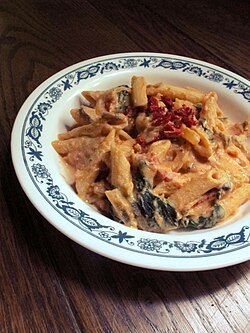
Garnishes by Culinary Category
Savory Foods and Entrees
Entrees utilize a vast array of textures and colors. Common options include microgreens (young vegetable greens used for both visual and flavor components), duxelles (a finely chopped mixture of mushrooms and herbs), and various nuts or seeds. Specific culinary terms like amandine indicate a garnish of almonds.

Desserts and Sweets
Sweet garnishes focus on texture and sweetness. Chefs often use coulis (a thin fruit or vegetable sauce), chocolate shavings, powdered sugar, or edible flowers. Traditional elements like vark (metallic leaf used on Indian sweets) or whipped cream add luxury to confectionery presentations.

Beverages and Cocktails
In the world of drinks, garnishes range from citrus twists (citrus zest) and wedges to more complex additions like cocktail onions or olives. Coffee-based drinks may feature cinnamon sticks or cocoa powder, while savory drinks like a Bloody Mary often incorporate vegetable stalks or salt rims.
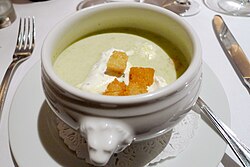
Global Traditions in Garnishing
French Culinary Traditions
French cuisine offers highly structured garnishing techniques. For soups, one might find brunoise (tiny diced vegetables) or chiffonade (finely shredded leaves). For main courses, classic options include matignon (minced vegetables and ham stewed in butter) or duxelles.
Japanese and Korean Styles
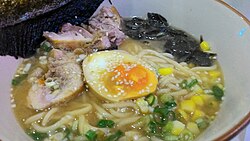
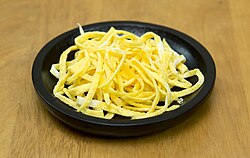
Japanese garnishing often utilizes edible seaweed (such as nori), shiso leaves, and fish roe (like ikura or tobiko). In Korean cuisine, the concept of gomyeong involves beautiful embellishments such as egg garnishes (made from separated yolks and whites) and chili threads.
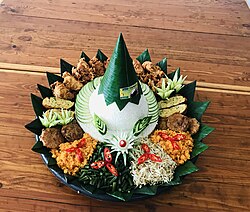
Indonesian Garnishes
Indonesian cuisine frequently employs bawang goreng (crisp fried shallots), sliced chili peppers, and decorative cucumber or tomato arrangements to add brightness to dishes.
Summary of Common Garnishes
| Category | Examples | Primary Use |
|---|---|---|
| Savory | Chives, Microgreens, Croutons, Sesame Seeds | Color contrast and texture |
| Sweet | Coulis, Chocolate, Powdered Sugar, Mint | Flavor enhancement and sweetness |
| Beverage | Citrus Twists, Olives, Cherries, Cinnamon | Aromatic and visual appeal |
| Global Specialty | Bawang Goreng, Kinshi Tamago, Gomyeong | Cultural authenticity |
Frequently Asked Questions
What is the difference between a garnish and a decoration?
The fundamental difference is that a garnish must be edible. A decoration, such as plastic grass, is used only for visual effect and is not meant to be consumed.
Can a garnish and a condiment be used at the same time?
Yes. It is common to use both to finish a dish. For example, an entrée might be topped with a sauce (the condiment) and a sprig of parsley (the garnish).
What tools are used to create garnishes?
Professional chefs often use specialized tools such as knives, graters, skewers, toothpicks, and parchment cones to shape and place garnishes precisely.
What does "garni" mean?
"Garni" is a French term meaning "garnished," used to describe a food item that has been embellished with a garnish.
Are all garnishes meant to add flavor?
Not necessarily. While many garnishes are chosen to provide contrasting flavors, some are used strictly to enhance the visual appearance or color of the dish.