French Franc: A History of France's National Currency
The French franc served as the official currency of France, as well as Monaco and Andorra, for over two centuries before its transition to the euro. From its origins as a revolutionary decimal currency to its role in the modern European economy, the franc reflects the political and economic shifts of the French nation.
The currency was managed by the Bank of France (the central bank) and minted by the Monnaie de Paris. While the franc is now a historical currency, its legacy persists in the cultural memory of France and the collectors' market for its diverse coins and banknotes.
Key Facts
- ISO Code: FRF (1960–2002).
- Subunit: 1 franc was divided into 100 centimes.
- Euro Conversion: Fixed at 1 € = 6.55957 F.
- Replacement: Replaced by the euro non-cash on January 1, 1999, and cash on March 1, 2002.
- Nickname: Common slang included balles (1 F), sacs (10 F), and brique or patate (10,000 F).
Early Monetary Foundations
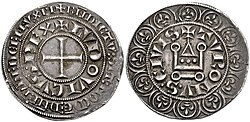
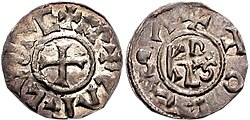
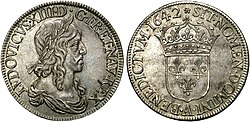
Before the franc, France utilized the livre system. In the Carolingian era around 781 AD, the currency was based on the denier. By the Capetian dynasty (c. 1000), the system evolved into the livre parisis and livre tournois.
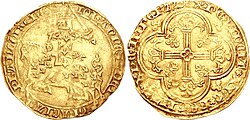
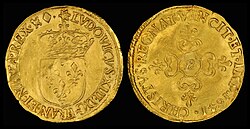
During the 14th century, the gros tournois was introduced, and gold began to enter circulation as a medium of exchange, leading to the creation of gold francs and écus d'or.
The Transition to the Franc
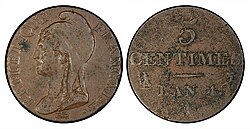
The modern era of French currency began during the French Revolution. In August 1795, the Monetary Law replaced the livre with the franc (also known as the franc germinal). This new system introduced decimalization, dividing the franc into 10 décimes and 100 centimes.
Evolution of Coinage and Metal Standards
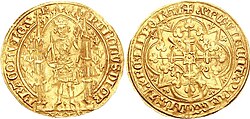
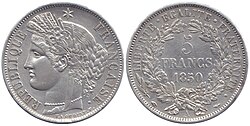
French coinage evolved through various metal standards, moving from silver and gold to base metals during times of war and inflation.
The Gold and Silver Era
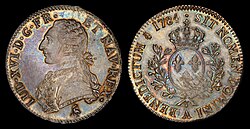
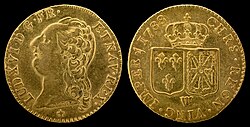
Under Napoleon, gold coins of 20 and 40 francs were struck. The 20-franc gold piece became colloquially known as the napoléon. In the late 19th century, the 100-franc gold coin was nicknamed the monaco due to the popularity of Monte Carlo casinos.
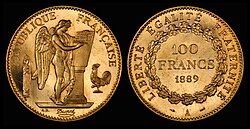
Impact of World Wars
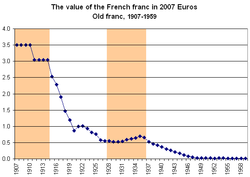
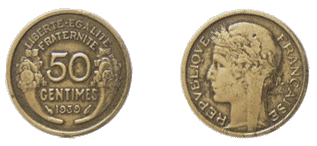
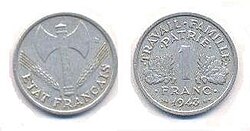
World War I led to the suspension of gold coinage and the debasement of the franc. In 1929, the franc Poincaré was introduced, valued at 20% of the 1803 gold standard. During World War II, under Nazi occupation, the franc became a satellite currency of the German Reichsmark at a rate of 20 francs to 1 RM. Coins from the Vichy regime replaced the republican motto Liberté, égalité, fraternité with Travail, famille, patrie (Work, Family, Fatherland).
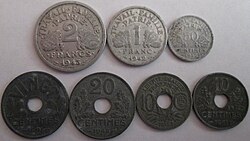
The New Franc and the Euro
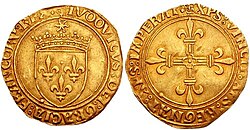
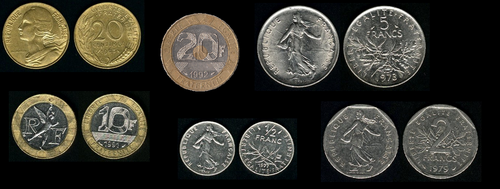
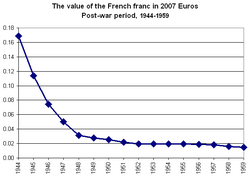
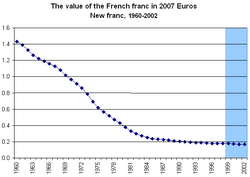
Following post-war inflation, France introduced the nouveau franc (new franc) in 1960. One new franc was equivalent to 100 old francs. This reform stabilized the currency and introduced modern materials like stainless steel, nickel, and bimetallic compositions for higher denominations.
The Path to the Euro
In 1979, the franc joined the European Exchange Rate Mechanism (ERM). By December 31, 1998, the exchange rate was fixed in preparation for the euro. The transition occurred in two stages: first as a non-cash accounting currency in 1999, and finally as physical coins and notes in 2002.
Summary of Currency Specifications
| Feature | Details |
|---|---|
| Central Bank | Bank of France |
| Mint | Monnaie de Paris |
| Common Banknotes | 20 F, 50 F, 100 F, 200 F, 500 F |
| Common Coins | 5, 10, 20 centimes, 1/2 F, 1 F, 2 F, 5 F, 10 F |
| Euro Fixed Rate | 1 € = 6.55957 F |
Banknotes and Artistic Design
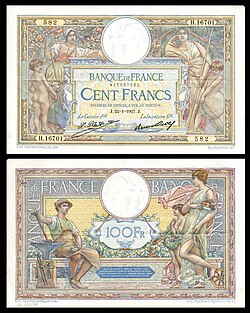
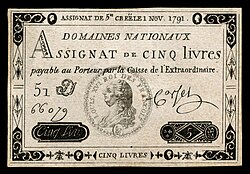
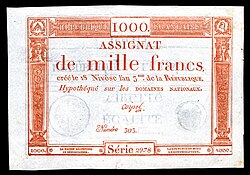
French banknotes were renowned for their artistic quality, often featuring prominent historical figures. Early issues included assignats during the Revolution. Later series featured figures such as Victor Hugo, Cardinal de Richelieu, and Henri IV.
The final series of banknotes before the euro included Antoine de Saint-Exupéry (50 F), Paul Cézanne (100 F), Gustave Eiffel (200 F), and Pierre and Marie Curie (500 F).
Frequently Asked Questions
What was the exchange rate from the French franc to the euro?
The fixed exchange rate established for the transition was 1 euro equals 6.55957 French francs.
What is a "napoléon" in the context of French currency?
A napoléon is the colloquial term for the 20-franc gold coin, which was widely used after 1815.
When did the "new franc" replace the "old franc"?
The nouveau franc was introduced in 1960, with 1 new franc being equal in value to 100 old francs.
Which institutions were responsible for the franc?
The Bank of France served as the central bank issuing banknotes, while the Monnaie de Paris was responsible for minting the coins.
What happened to the franc during the Vichy regime?
During the Nazi occupation (1940–1944), the franc was pegged to the German Reichsmark at a rate of 20:1, and coinage was modified to reflect the Vichy regime's ideology.