Freemasonry: History, Traditions, and Global Organization
Freemasonry is one of the world's oldest existing secular fraternal organizations, with roots and traditions that stretch back to the 14th century. Originally tracing its origins to the medieval guilds of stonemasons, the organization has evolved from a professional association of builders into a global network of fraternal groups dedicated to self-improvement and charity.
At its core, Freemasonry operates through a system of symbols, rituals, and degrees designed to teach moral and philosophical lessons. While often shrouded in mystery, its primary modern purpose is the promotion of charity and the fostering of brotherhood among its members.
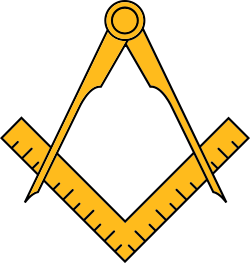
Key Facts
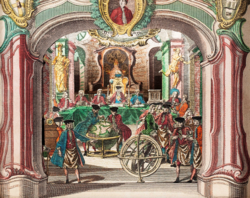
- Origins: Derived from medieval stonemason guilds.
- Primary Purpose: Charity and fraternal bonding.
- Oldest Secular Fraternity: Documents date back to the 14th century.
- Main Traditions: Divided primarily into Anglo-American and Continental (Liberal) styles.
- Largest Jurisdiction: The United Grand Lodge of England (UGLE).
The Masonic Lodge and Its Activities
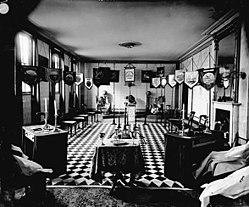
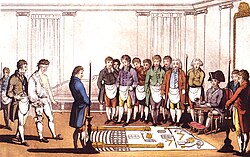
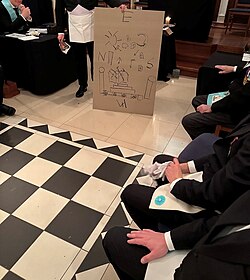
The central unit of Freemasonry is the lodge, a local meeting place where members gather to conduct business and perform rituals. These gatherings are not merely administrative; they are designed to be transformative experiences for the members.
Common activities within a lodge include:
- Performing Ceremonies: Executing traditional Masonic rituals.
- Conferring Degrees: Advancing members through different levels of the organization.
- Educational Lectures: Studying Masonic history, ritual, and philosophy.
- Philosophical Discussion: Engaging in research and sharing personal experiences.
- Proving Proficiency: Demonstrating knowledge to the lodge to earn a new degree, a process historically referred to as a "wage increase."
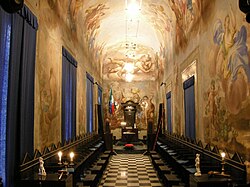
Organizational Structure and Traditions
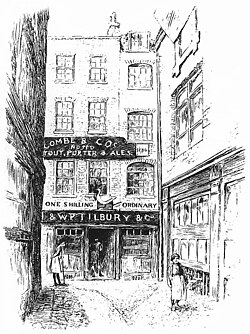
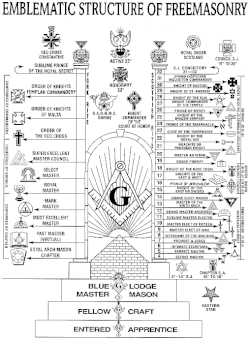
Modern Freemasonry is not a single monolithic entity but is divided into different traditions that vary in their requirements and philosophies.
Anglo-American Freemasonry
This tradition is characterized by strict adherence to specific requirements. Members must profess a belief in a supreme being, and a "volume of sacred law" (such as the Bible or Quran) must be open during lodge meetings. This style is exclusively male, and discussions regarding politics or religion are strictly forbidden during gatherings to maintain harmony.
Continental or Liberal Freemasonry
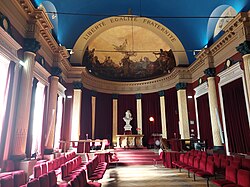
Continental Freemasonry has evolved beyond the restrictions of the Anglo-American style. It is generally more open regarding religious beliefs and allows for the discussion of political and social issues within the lodge.
Grand Lodges and Jurisdictions
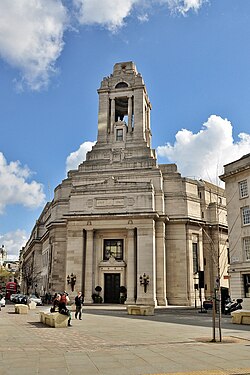
The organization is governed by Grand Lodges, which act as the highest authority within a specific region. The United Grand Lodge of England is the largest single jurisdiction, with an estimated membership of 175,000 across its Provincial Grand Lodges. The Grand Lodge of Ireland is another significant body, claiming approximately 19,000 members.
Global Expansion and Diversity
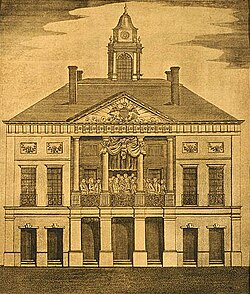
Freemasonry spread globally during the Enlightenment, adapting to the cultures of the regions it entered. In North America, it played a notable role in early civic life, with figures like George Washington being prominent members.
Prince Hall Freemasonry
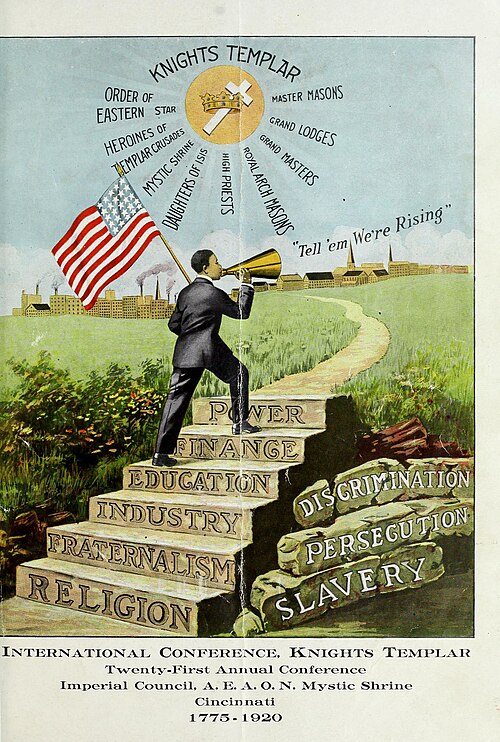
A significant development in the Americas was the emergence of Prince Hall Freemasonry, which provided a space for African American men to participate in the craft, often focusing on the "ladder of success" and community uplift.
International Reach
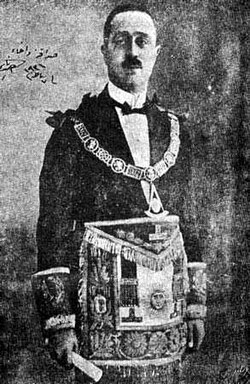
The organization established presence across Europe (France, Russia, Italy, Germany), Latin America, the Caribbean (including Jamaica and Mexico), the Middle East, and the Asia-Pacific region, including China.
Freemasonry and Women
The role of women in Freemasonry varies significantly by tradition. Continental Freemasonry has been sympathetic to women's participation since the 1890s, assisting the co-masonic movement. In 1899, French lodges helped women form their own grand council within the Ancient and Accepted Scottish Rite.
In contrast, most regular Anglo-American grand lodges do not recognize women as legitimate Masons. However, the United Grand Lodge of England issued a statement in 1999 recognizing The Order of Women Freemasons and The Honourable Fraternity of Ancient Freemasons as being part of Freemasonry "in general," though not as "regular" in the technical sense.
Summary of Masonic Traditions
| Feature | Anglo-American Style | Continental/Liberal Style |
|---|---|---|
| Belief in Supreme Being | Required | Not strictly required |
| Sacred Text in Lodge | Required (Volume of Sacred Law) | Flexible |
| Membership | Men only | More inclusive/sympathetic to women |
| Politics & Religion | Forbidden in meetings | Permitted for discussion |
Frequently Asked Questions
What is the primary goal of Freemasonry?
While it serves as a fraternal organization for personal and philosophical growth, one of its primary and most public purposes is the practice of charity.
Do all Freemasons have to be religious?
It depends on the tradition. Anglo-American Freemasonry requires a belief in a supreme being, whereas Continental or Liberal Freemasonry is more flexible regarding religious requirements.
Can women become Freemasons?
In Continental Freemasonry, women have been integrated or supported in forming their own lodges since the late 19th century. In Anglo-American traditions, women are generally not admitted, though some organizations are recognized as part of the broader Masonic community.
What happens during a Masonic meeting?
Meetings typically involve performing ceremonies, conferring degrees on members, delivering lectures on history or ritual, and engaging in philosophical discussions or research.
Where did Freemasonry originate?
Freemasonry traces its origins back to the medieval guilds of stonemasons, with documented traditions and records dating as far back as the 14th century.