Forage Management: Essential Plant Materials for Livestock Nutrition
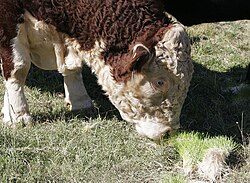
In the world of animal husbandry, forage serves as the fundamental building block of nutrition. Broadly defined, forage refers to plant material—primarily leaves and stems—consumed by grazing livestock. While the term historically focused on plants eaten directly as pasture, crop residues, or immature cereals, modern usage has expanded to include plants cut for fodder (food for livestock) and preserved as hay or silage.
When we speak of a forage crop, we are referring specifically to annual or biennial plants grown with the primary intention of being utilized by animals, whether through direct grazing or by harvesting the entire crop for later use.
Key Facts
- Forage includes both direct pasture and preserved materials like hay and silage.
- Forage crops are typically annual or biennial plants grown specifically for animal consumption.
- Common categories include grasses, herbaceous legumes, tree legumes, and aquatic feeds.
- Silage is a method of preserving forage, often using crops like alfalfa, maize, or sorghum.
- Crop residues, such as corn or soybean remains, can serve as valuable supplemental forage.
Common Types of Forage
Livestock nutrition relies on a diverse array of plant species, categorized by their botanical characteristics and growth habits. Understanding these categories helps producers select the right nutrition for their specific animals.
Grasses
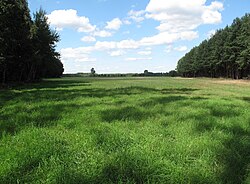
Grasses are a staple of forage production. They provide the bulk of energy and fiber for many grazing animals. This category includes a vast range of species, from common bentgrasses (Agrostis spp.) and fescues (Festuca spp.) to ryegrasses (Lolium spp.) and bluegrasses (Poa spp.).
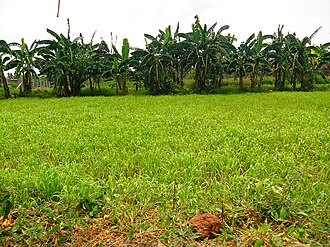
Other notable grasses include bermudagrass (Cynodon dactylon), timothy (Phleum pratense), and various species of clover-adjacent grasses like Kentucky bluegrass. For specialized environments, species such as guinea grass (Megathyrsus maximus) or water spinach (Ipomoea aquatica) may be utilized.
Herbaceous Legumes
Legumes are critical in forage systems because they often provide higher protein content. Herbaceous legumes are non-woody plants that include well-known species such as alfalfa (Medicago sativa), various clovers (Trifolium spp.), and vetches (Vicia spp.).
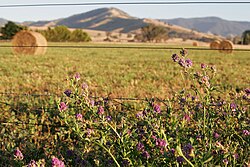
Other examples include bird's-foot trefoil (Lotus corniculatus), sweetclovers (Melilotus spp.), and pinto peanut (Arachis pintoi). These plants are essential for maintaining soil health and animal protein requirements.
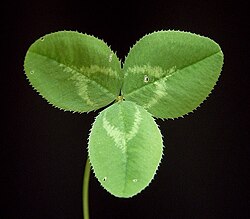
Tree Legumes and Aquatic Feeds
In certain ecosystems, tree legumes provide significant nutritional value. Species such as Acacia aneura (mulga), Albizia spp. (silk trees), and Leucaena leucocephala (leadtree) offer forage in woody environments. Additionally, aquatic feeds like duckweed (Lemna minor) and water hyacinth (Eichhornia crassipes) can be used in specific agricultural contexts.
Preservation and Supplemental Forage
When fresh pasture is unavailable, producers turn to preserved or supplemental sources to ensure consistent nutrition throughout the year.
Silage and Fodder
Silage is forage that has been preserved through fermentation. Common silage compositions include alfalfa, maize (corn), oats, sorghum, or a mix of grasses and legumes. This method allows farmers to store high-quality nutrition for use during seasons when fresh growth is scarce.
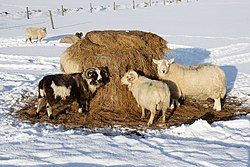
Historically, the transport of such fodder has been a vital part of agricultural life, often involving manual or animal-drawn methods to move harvested crops to the livestock.
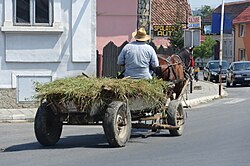
Crop Residues
Even after the primary harvest, many plants offer nutritional value. Crop residues—the leftover parts of a crop after the main product is harvested—include sorghum, sweet potato vines, corn or soybean stalks, and even fruit tree by-products like stover.
Forage Classification Summary
| Category | Primary Characteristics | Common Examples |
|---|---|---|
| Grasses | High fiber, energy-providing plants | Ryegrass, Fescue, Bermudagrass, Timothy |
| Herbaceous Legumes | High protein, nitrogen-fixing plants | Alfalfa, Red Clover, Vetch, Medics |
| Tree Legumes | Woody, perennial protein sources | Acacia, Albizia, Leucaena |
| Aquatic Feeds | Plants grown in or on water | Duckweed, Water Hyacinth, Water Spinach |
| Crop Residue | Leftover plant material after harvest | Corn stover, Soybean residue, Sorghum |
Frequently Asked Questions
What is the difference between forage and fodder?
Forage is a broad term for plant material eaten by grazing animals, including pasture. Fodder is a more specific term often used for plants that have been cut and carried to the animals, such as hay or silage.
What makes a plant a "forage crop"?
A forage crop is an annual or biennial plant specifically grown to be harvested as a whole or used for grazing to provide nutrition for livestock.
Why are legumes important in forage?
Legumes, such as alfalfa and clover, are highly valued in forage systems because they are typically higher in protein than grasses and can help improve soil quality.
What is silage?
Silage is forage (such as maize, alfalfa, or grasses) that has been preserved through a fermentation process, allowing it to be stored and used as feed later.
Can crop residues be used as feed?
Yes, many crop residues, including stalks from corn or soybean and sweet potato vines, serve as valuable supplemental forage for livestock.