Floriography: The Secret History and Symbolic Language of Flowers
For thousands of years, humanity has found ways to communicate beyond mere words. One of the most poetic and subtle methods is floriography—the use of flowers and their arrangements to convey hidden, cryptological messages. From the courts of the Ottoman Empire to the romantic gestures of the Victorian era, the language of flowers has served as a silent medium for expressing emotions that were often too intense or too taboo to speak aloud.
The Historical Roots of Floral Communication
While many associate the language of flowers with the 19th century, its origins are much older and more diverse. The practice has been woven into the traditional cultures of Europe, Asia, and Africa for millennia. One significant influence traces back to 14th-century Ottoman Turkey through a tradition known as sélam.
Known in Europe as "Turkish love letters," sélam involved creating poetic hidden messages using a mixture of objects. A sender might wrap flowers, pearls, or even locks of hair in a handkerchief. The recipient would decipher the message by finding words that rhymed with the names of the objects, continuing this process until a complete verse was revealed.
The transition of these traditions into Western culture was facilitated by travelers and scholars. The English poet Mary Wortley Montagu is credited with introducing these concepts to England in 1718 following her travels to Constantinople. Similarly, Aubry de La Mottraye introduced the practice to the Swedish court in 1727. As interest in botany grew, so did the formalization of these meanings.
The Rise of Floral Dictionaries
The 19th century saw a surge in published guides that codified floral meanings. Key milestones include:
- 1809: Joseph Hammer-Purgstall published Dictionnaire du language des fleurs, appearing to be the first published list of symbolic definitions.
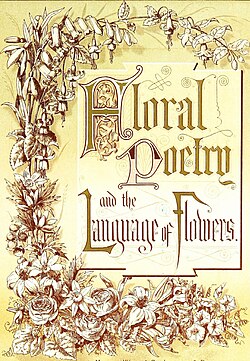
- 1819: Louise Cortambert, writing as Madame Charlotte de la Tour, published Le langage des Fleurs, the first true dictionary of floriography.
- 1836: Robert Tyas published The Sentiment of Flowers; or, Language of Flora, an English version of de la Tour's work.
In the United States, the practice gained traction through the writings of naturalist Constantine Samuel Rafinesque, who included botanical descriptions and emblematic meanings in his "The School of Flora" features between 1827 and 1828. This was followed by influential books such as Elizabeth Wirt's Flora's Dictionary and Dorothea Dix's The Garland of Flora in 1829.
Floriography in Literature and Art
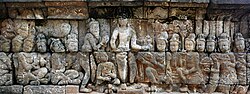
The symbolic power of plants has long been a tool for storytellers and painters to add layers of depth to their work.
Literary Symbolism
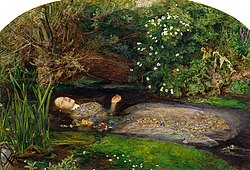
William Shakespeare frequently utilized floral imagery, mentioning "flower" over 100 times across his plays and sonnets. In Hamlet, the character Ophelia uses specific plants like pansies, rosemary, and rue to convey meaning during her descent into madness. Modern literature continues this tradition; for instance, in J.K. Rowling's Harry Potter and the Philosopher's Stone, the character Severus Snape uses the language of flowers to express mourning for Lily Potter.
Artistic Expressions
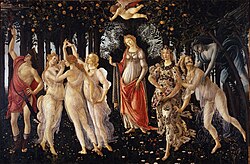
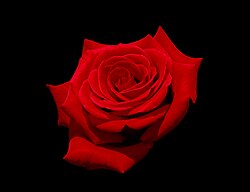
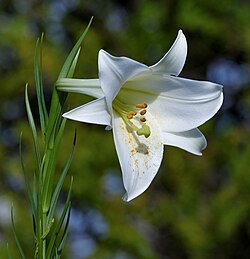
In the Renaissance, artists used flowers to enhance allegorical narratives. Sandro Botticelli’s Primavera (1482) depicts over 500 plant species, including the rose to symbolize divine love. In religious art, the lily is a recurring symbol of purity, often appearing in Annunciation scenes to represent the Virgin Mary.
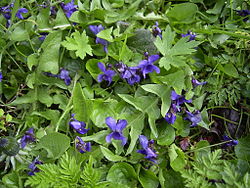
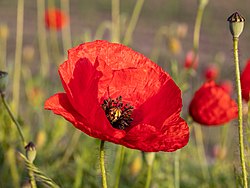
During the 17th century, Dutch vanitas paintings used decaying flowers to represent the transience of life and the inevitability of death. This theme was later echoed by the Pre-Raphaelite painters of the 19th century. John Everett Millais, for example, used wild roses, poppies, and violets in his painting Ophelia to symbolize her tragic fate, staying faithful to the literary context of Shakespeare's work.
In the modern era, artists like Banksy have reimagined floral imagery to address socio-political themes. His 2003 mural, Flower Thrower, juxtaposes a bouquet of flowers with an act of protest, using the bloom as a symbol of peace and hope amidst conflict.
Global Perspectives on Flower Symbolism
Floral meanings are not universal; they shift significantly depending on the cultural and religious landscape.
Japan: Ikebana and Hanakotoba
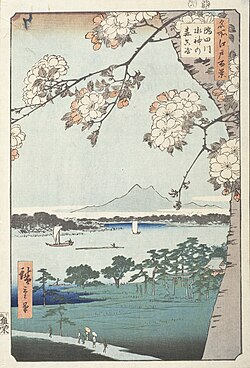
In Japan, the development of Ikebana (flower arrangement) and Hanakotoba (the language of flowers) is deeply connected to Shinto and Buddhist traditions. These beliefs emphasize a spiritual connection to the natural world, where every element possesses a spirit. This profound respect for nature allows for a highly nuanced floral vocabulary.

Greek Mythology
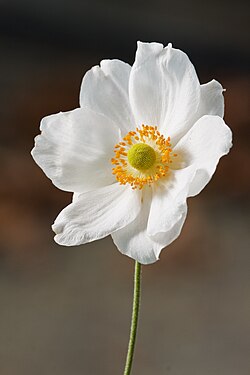
Ancient Greek myths provided a foundation for many Western floral symbols. For example, the laurel represents victory, while the anemone is associated with death and forsaken love.
Eastern vs. Western Interpretations
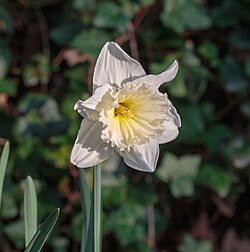
A fascinating aspect of floriography is how the same flower can carry opposing meanings across different cultures. A cherry blossom might represent loyalty and a life lived joyfully in the East, whereas a narcissus represents egoism in the West but good fortune in the East.
| Flower | Eastern Meaning | Western Meaning |
|---|---|---|
| Cherry Blossom | Loyalty, patriotism, joy | N/A |
| Narcissus | Good fortune, happiness | Egoism |
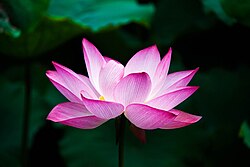
| Lotus | Purity, truth | Eloquence |
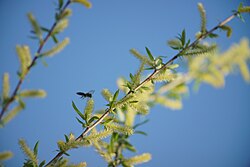
| Willow | Meekness, femininity, luck | Melancholy |
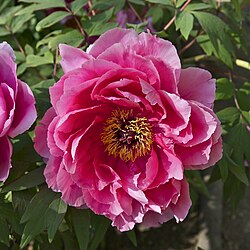
| Peony | Masculinity, prosperity | Boldness |
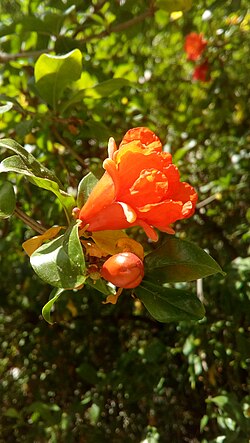
| Pomegranate | Fertility | Fatuity |
Key Facts
- Floriography is the practice of using flowers to communicate secret messages.
- The Victorian era saw a massive resurgence in floral symbolism, aided by growing botanical interest.
- Sélam was an Ottoman tradition involving flowers and objects to create rhyming poetic messages.
- Hanakotoba is the Japanese language of flowers, rooted in Shinto and Buddhist philosophies.
- Interpretations of flowers can vary wildly; for example, the Narcissus symbolizes happiness in some Eastern contexts but egoism in the West.
Frequently Asked Questions
What is the main purpose of floriography?
Floriography is a form of cryptological communication used to convey specific emotions, messages, or meanings through the selection and arrangement of flowers.
How did the Victorians use flowers?
During the Victorian age, flowers were used as a covert way to communicate feelings that might have been considered inappropriate to express directly in social settings.
Are flower meanings the same everywhere?
No. Floral symbolism varies significantly between cultures. For instance, a peony may represent prosperity in the East but boldness in the West.
What is the difference between Ikebana and Hanakotoba?
Ikebana refers to the disciplined art of flower arrangement, while Hanakotoba refers specifically to the symbolic language or meaning attributed to different flowers in Japanese culture.
Why did artists use flowers in paintings?
Artists used flowers to add allegorical depth, symbolize religious concepts (like purity), or represent themes such as the transience of life (vanitas).