Floreo de Reata: The History and Art of Mexican Trick Roping
Long before the lasso became a symbol of the American West, the vaqueros (cowherds) of Mexico were refining a sophisticated system of livestock management that would eventually evolve into a breathtaking performance art. Known as Floreo de Reata, or trick roping, this practice transitioned from a brutal necessity of colonial ranching to a celebrated display of national identity and global entertainment.
The Brutal Origins: From Lances to Lassos
In the early colonial era, the primary tool for managing wild cattle was not the rope, but the desjarretadera. This was a lance featuring a crescent-moon-shaped blade designed to incapacitate bulls by slicing through their hocks or hamstrings. A vaquero would gallop at full speed, strike the animal's leg to sever the nerves, and then dismount to finish the bull off.
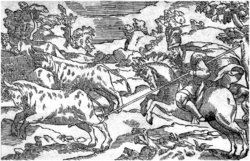
By the 18th century, rudimentary roping began to spread across Hispanic America. However, early efforts lacked technique; loops often closed prematurely, and the rope was thrown without the "flare" needed to keep the noose open. In Mexico, the shift toward advanced roping was accelerated by a move toward conservation. In 1807, the Count of Miravalle banned lances in Nueva Galicia to prevent unnecessary cattle deaths, forcing vaqueros to rely solely on the lasso.
The Evolution of the Charro and Trick Roping
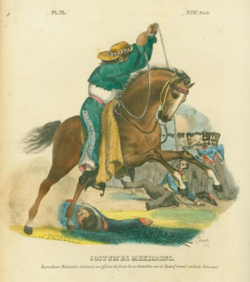
As the 19th century progressed, the Charro (the skilled Mexican horseman) began experimenting with the lasso to add effect and precision. This evolution was partly driven by the challenge of handling fighting bulls, which were more aggressive than standard cattle and required the rider to be exceptionally agile.
One of the earliest records of this "magical" skill appears in 1813, when the Spanish Inquisition tried a vaquero named Juan Chávez. Chávez was accused of making a pact with the devil because he could throw a rope that circled his own body without closing—a feat of dexterity that the Church viewed with suspicion.
The Three Pillars of Mexican Roping
By the 1840s, the Mexican method of roping had been codified into three primary techniques:
- Lazar: Lassoing the horns or head of a bull or horse.
- Manganear: Roping the front legs (fore-footing).
- Pialar: Roping the hind legs (heeling).
The invention of the saddle-horn provided the necessary leverage to secure these animals from horseback, a technological advantage that South American vaqueros, such as the Gauchos, lacked due to their different saddle designs and reliance on bolas.
Codifying the Art: The First Manuals
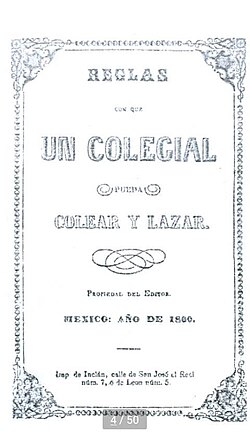
In 1860, Luis G. Inclán published "Reglas con que un Colegial pueda Colear y Lazar", the first manual dedicated to bull-tailing and roping. Inclán detailed 19 different mangana loops, each with a specific name and execution method.
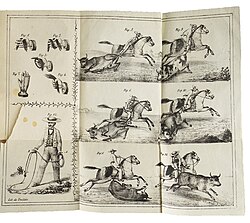
Some of these specialized loops included:
- La Aguja (The Needle): Thrown backward over the horse's haunch.
- La Revolución (The Revolution): A loop that spins counterclockwise in the air to secure forelegs.
- La Cangreja (The Crab): Used when an animal runs from right to left.
- La Taravilla: A figure-8 loop executed without swinging.
From the Ranch to the Arena: Jaripeo and Charreria
Following the French Intervention (1862-1867), a surge of nationalism led Mexico to embrace its own equestrian traditions over Spanish styles. This gave rise to Jaripeo (Mexican-style bullfighting), where the goal shifted from killing the bull to demonstrating skill and showmanship. This tradition eventually evolved into the modern sport of charreria.
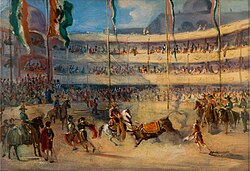
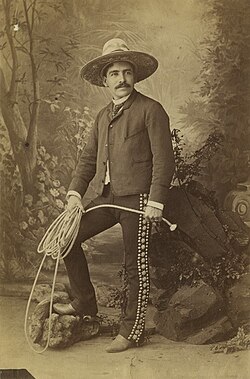
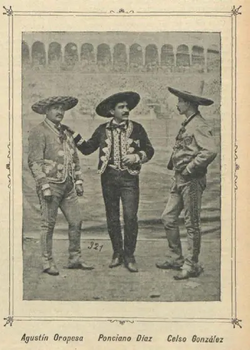
Superstars emerged during this era, most notably Ponciano Díaz. Born in the historic Atenco Hacienda, Díaz became a global icon, touring Spain in 1889 and proving the superiority of Mexican vaquero traditions in the bullrings of Madrid.
Global Influence and the American West
The art of Floreo de Reata reached the United States primarily through Buffalo Bill's Wild West show. Vicente Oropeza, a master roper from Puebla, joined the show in the 1890s and was declared "Champion of the World" in 1900.
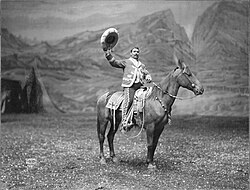
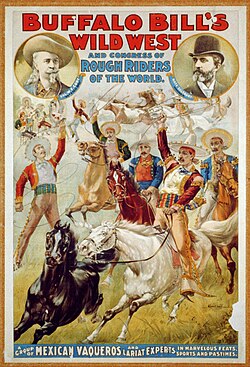
Oropeza's influence was profound; a young Will Rogers witnessed Oropeza's performances at the 1893 Chicago World's Fair and credited the Mexican Charro as the inspiration for his own legendary trick roping career.
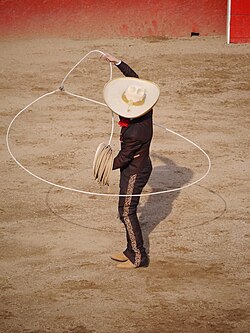
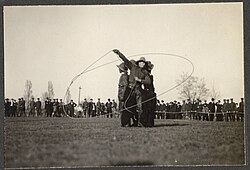
Key Facts
- Origin: Evolved from the desjarretadera (hocking knife) used by colonial vaqueros.
- Catalyst: The 1807 ban on lances in Nueva Galicia forced the development of advanced lasso techniques.
- Core Techniques: Divided into Lazar (head/horns), Manganear (front legs), and Pialar (hind legs).
- First Manual: Published by Luis G. Inclán in 1860, detailing 19 distinct mangana loops.
- Global Spread: Introduced to the U.S. via Vicente Oropeza in Buffalo Bill's Wild West show.
- Legacy: Inspired American icons like Will Rogers and led to the creation of the sport of Charreria.
| Term | Target Area | Description |
|---|---|---|
| Lazar | Head / Horns | Capturing the animal by the head; can be done on foot or horseback. |
| Manganear | Front Legs | Fore-footing the animal using various specialized loops. |
| Pialar | Hind Legs | Heeling the animal; includes artistic variations like the "Del Viento" shot. |
Frequently Asked Questions
What is the difference between a vaquero and a charro?
While the vaquero was the original working cowherd focused on livestock management, the charro represents the evolution of that role into a cultural icon, blending ranching skills with high artistry and formal tradition.
Why did Mexican roping develop differently than South American roping?
Mexican roping benefited from the early banning of lances and the adoption of the saddle-horn. In contrast, South American vaqueros (like Gauchos) continued using lances longer and used saddles without horns, which limited their ability to rope from horseback.
Who was Vicente Oropeza?
Vicente Oropeza was a master Mexican Charro who introduced trick roping to the United States through Buffalo Bill's Wild West show and served as the primary inspiration for Will Rogers.
What is Jaripeo?
Jaripeo is Mexican-style bullfighting that emphasizes the equestrian skills, roping, and bravery of the rider rather than the killing of the bull, serving as a precursor to modern charreria.
What was the desjarretadera?
The desjarretadera was a crescent-bladed lance used by early vaqueros to incapacitate cattle by cutting their hocks before the lasso became the primary tool for herding.