Fledging: The Critical Transition to Flight in Birds and Bats
In the life cycle of flying animals, there is a pivotal window of time between hatching or birth and the moment an animal becomes fully capable of flight. This stage is known as fledging. While the term is most commonly associated with birds, it is also applied to bats as they develop the strength and plumage or membranes necessary to take to the skies.
The Mechanics of Fledging
A bird is officially considered to have fledged once its wing muscles and feathers have developed sufficiently to support flight. A young bird that has recently left the nest but still relies on its parents for food and protection is referred to as a fledgling.
The USA National Phenology Network describes this specific phenophase—or life cycle stage—as the period when one or more young are seen having recently departed from the nest. This definition encompasses both young that are still dependent on adults and those that are not yet capable of sustained flight.
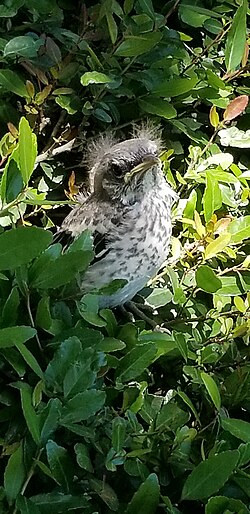
Altricial vs. Precocial Development
The experience of fledging varies significantly depending on the species' developmental strategy:
- Altricial birds: These species are born in a more vulnerable condition and spend a significant amount of time in the nest. For these birds, the nestling and fledging stages often overlap or are essentially the same.
- Precocial birds: These species develop much faster and leave the nest quickly. They typically experience a short nestling stage followed by a more extended fledging period.
Survival and Parental Care
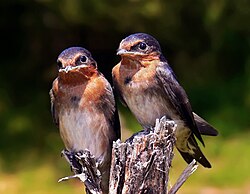
Leaving the nest is a high-risk transition. Birds that depart before they can fly are particularly vulnerable to predators. However, once a bird has successfully fledged, its overall chances of survival increase dramatically.
Despite leaving the nest, the journey to independence is not immediate. In many species, parents continue to provide essential care, which may include direct feeding or guiding the fledgling toward reliable food sources.
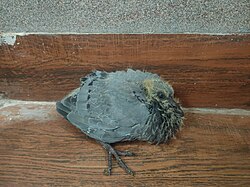
Diverse Fledging Behaviors
Different species have evolved unique and sometimes dramatic ways of transitioning from the nest to the wild.
The Ancient Murrelet
The ancient murrelet exhibits a rapid transition, fledging just two days after hatching. The young bird runs from its burrow directly to the ocean, calling out to its parents, who then provide care for several weeks once the chick reaches the water.
Guillemots and Terns
Some species, such as terns and guillemots, leave their nesting sites before they are capable of flight. The guillemot's process is particularly striking: an adult leads the chick to the edge of a cliff where the colony resides. The chick then launches itself off the cliff, attempting to fly as far as possible before crash-landing in the ocean.
Key Facts
- Definition: Fledging is the stage between hatching/birth and the ability to fly.
- Applicability: The term applies to both birds and bats.
- Fledgling: A young bird that has left the nest but remains dependent on parental care.
- Developmental Types: Altricial birds stay in the nest longer; precocial birds leave the nest sooner.
- Survival: While vulnerable upon leaving the nest, survival rates increase significantly after fledging.
| Bird Type/Species | Developmental Characteristic | Fledging Behavior |
|---|---|---|
| Altricial Birds | Vulnerable, long nest stay | Nestling and fledging stages often overlap |
| Precocial Birds | Rapid development | Short nestling stage, longer fledging stage |
| Ancient Murrelet | Extremely rapid | Fledges 2 days after hatching; runs to ocean |
| Guillemot | Pre-flight departure | Launches off cliffs into the ocean |
Frequently Asked Questions
What is the difference between a nestling and a fledgling?
A nestling is a young bird still residing in the nest, while a fledgling is a bird that has recently departed the nest but may still be dependent on its parents for food and protection.
Should I help a fledgling bird if I find it on the ground?
No. Because fledglings often appear vulnerable and may be unable to fly well, people frequently feel the urge to intervene, but it is best to leave them alone as they are in a natural stage of development.
Do only birds go through a fledging stage?
While most commonly applied to birds, the term fledging is also used to describe the developmental stage of bats.
How do guillemot chicks fledge?
Guillemot chicks are led by an adult to the edge of a colony cliff, where they launch themselves off and attempt to fly before landing in the ocean.
When is a bird officially considered to have fledged?
A bird is considered to have fledged when its wing muscles and feathers are sufficiently developed to allow for flight.