Finnish Rock: The Evolution of Suomirock and Heavy Metal
Finnish rock, known locally as suomirock or suomirokki, represents a diverse musical tradition from Finland. While the term can refer to rock music produced in Finland generally, it is often used more specifically to describe rock music performed in the Finnish language. From its early days of translated hits to its global dominance in heavy metal, the Finnish scene has evolved into a powerhouse of artistic expression.
The Early Era: 1950s to 1960s
The initial rock and roll boom of the 1950s was built upon a long-standing tradition of popular culture. During the 1950s and 60s, Finnish bands typically followed international trends, often performing covers or translating global hit songs into Finnish. Helsinki served as the primary hub for rock and pop music during this era.
Early pioneers of the 1960s included Eero Raittinen and his brother Jussi Raittinen, alongside groups such as Jormas, Topmost, and Ernos. Interestingly, the British band The Renegades achieved significant success within Finland during this time. Love Records emerged as one of the first domestic labels dedicated to Finnish rock, though it also supported jazz and political music.
The underground scene also began to take shape. Suomen Talvisota 1939-1940 released the influential album Underground-Rock in 1970, which remains a touchstone for many modern Finnish musicians. Other psychedelic and underground acts of the period included The Sperm, Apollo, and the Blues Section—the latter of which eventually split to form Wigwam and Tasavallan Presidentti.
The Rise of Independence and Manserock
The 1970s marked a shift toward original songwriting in the native tongue. Singer-songwriters like Hector and Juice Leskinen began blending rock sounds with poetry, irony, and introspection. By the late 1970s, the arrival of punk and new wave introduced artists such as Pelle Miljoona, Eppu Normaali, and Hassisen kone, helping Finnish rock establish a truly independent identity.
During the transition from the 1970s to the 80s, the city of Tampere became a vibrant center for rock culture. This regional movement spawned Manserock, a term used to describe the specific rock music produced by the city's artists.
One of the most iconic groups of the 1970s was Hurriganes, fronted by Remu Aaltonen. They specialized in a hard-hitting, boogie-based rock style, with their song "Get on" becoming a national anthem of sorts. Former Hurriganes guitarist Albert Järvinen later collaborated with Lemmy Kilmister of Motörhead on the "Countdown" single.
Mainstream Success and Cult Classics
The 1980s and 90s saw a variety of styles emerge. Dingo became a pop-rock phenomenon among teenagers, while Yö produced "Joutsenlaulu," which remains one of the most played songs in Finnish radio and karaoke. In the early 90s, the power trio Kingston Wall, led by Petri Walli, gained cult status by mixing hard rock with psychedelic influences.
Other enduring figures include J. Karjalainen and the band CMX, the latter of which formed in 1985 and evolved from hardcore punk through progressive and metal sounds.
International Breakthroughs
While early progressive bands like Wigwam and Tasavallan Presidentti neared European breakthroughs, international fame was difficult to secure. A notable exception was the glam rock band Hanoi Rocks, who remain highly respected globally, particularly in Japan. They served as a primary inspiration for 1980s glam rock acts, including Guns N' Roses.
In more recent years, bands like the Leningrad Cowboys (known for their collaboration with the Red Army Choir), surf-rockers Laika & the Cosmonauts, and the Von Hertzen Brothers have found mainstream success abroad. Additionally, the indie-rock trio 22-Pistepirkko has maintained a cult following in Germany and the Netherlands.
The Global Dominance of Finnish Metal
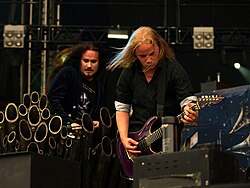
Finland's most significant contribution to modern global music is undoubtedly heavy metal. The scene began with 80s hard rock bands like Riff Raff, Oz, and Zero Nine, followed by the emergence of Stratovarius, Tarot, and Stone in the late 80s.
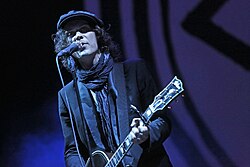
This foundation led to a massive wave of internationally successful acts, including Children of Bodom, Amorphis, Nightwish, and Apocalyptica. HIM, who pioneered the "love metal" genre, and The Rasmus achieved unprecedented chart success across Europe. In 2006, HIM became the first Finnish band to earn a gold record in the United States.
Finland also made history at the 2006 Eurovision Song Contest when Lordi became the first heavy metal band to win the competition with their song "Hard Rock Hallelujah," characterized by their elaborate costumes.
Extreme Metal and Subgenres
Finland possesses a thriving extreme metal scene that often competes with mainstream metal in national awards. This scene is heavily dominated by death metal, ranging from the melodic style of Omnium Gatherum to the traditional death metal of Demilich and Convulse. Other prominent extreme metal acts include Beherit, Archgoat, Impaled Nazarene, and the grindcore band Rotten Sound.
Key Facts
- Suomirock refers to both Finnish rock in general and rock specifically sung in the Finnish language.
- Manserock is the specific term for the rock scene originating from Tampere.
- Hanoi Rocks is one of the most influential Finnish exports, inspiring bands like Guns N' Roses.
- Lordi was the first heavy metal band to win the Eurovision Song Contest (2006).
- HIM achieved a milestone in 2006 as the first Finnish band to receive a gold record in the US.
- Extreme Metal in Finland is characterized by a strong death metal presence, including melodic and traditional subgenres.
| Era | Key Characteristics | Notable Artists |
|---|---|---|
| 1950s-60s | Covers, translated hits, early underground | The Renegades, Blues Section, Jormas |
| 1970s | Original Finnish lyrics, Punk, New Wave | Juice Leskinen, Hurriganes, Hassisen kone |
| 1980s-90s | Pop-rock, Glam rock, Psychedelic hard rock | Hanoi Rocks, Dingo, Kingston Wall |
| Modern Era | Heavy Metal, Love Metal, Extreme Metal | Nightwish, HIM, Lordi, Children of Bodom |
Frequently Asked Questions
What is the difference between Finnish rock and Suomirock?
While often used interchangeably, Finnish rock refers to any rock music made in Finland, whereas Suomirock specifically emphasizes rock music sung in the Finnish language.
What is Manserock?
Manserock is a term used to describe the vibrant rock music scene and the artists originating from the city of Tampere during the late 1970s and 80s.
Which Finnish band had the most influence on 80s glam rock?
Hanoi Rocks is widely regarded as the most influential, serving as a source of inspiration for major international acts such as Guns N' Roses.
How did Lordi make history in Eurovision?
Lordi became the first heavy metal band to win the Eurovision Song Contest in 2006 with their track "Hard Rock Hallelujah," while wearing elaborate costumes.
What is "love metal"?
Love metal is a musical style associated with the band HIM, blending elements of gothic rock and heavy metal with romantic themes.
Which Finnish bands are prominent in the extreme metal scene?
Prominent extreme metal acts include Amorphis, Children of Bodom, Beherit, Archgoat, Impaled Nazarene, and the grindcore band Rotten Sound.