Filipino Americans: History, Demographics, and Cultural Heritage
The Filipino American community represents a vibrant and integral part of the United States' multicultural fabric. Comprising millions of individuals of Filipino descent, this diaspora blends rich Southeast Asian traditions with American life, contributing significantly to the nation's economic, social, and cultural landscapes.
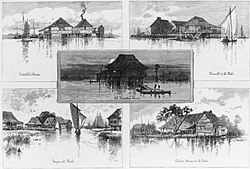
From early settlements in the South to the bustling metropolitan hubs of the West Coast, the journey of Filipino Americans is one of resilience, adaptation, and enduring connection to their ancestral homeland.
Key Facts
- Total Population: Approximately 4,640,313 people of Filipino ancestry or ethnic origin (2023).
- Birthplace: About 2,051,900 Filipino Americans were born in the Philippines (2023).
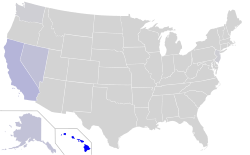
- Primary Regions: Significant populations are found in the Western United States, Hawaii, Texas, Florida, Illinois, New Jersey, New York, and Virginia.
- Dominant Religion: Roman Catholicism is the most prevalent faith at 65%.
- Economic Standing: The per capita income for Filipino Americans was $47,819 as of 2023.
Demographics and Geographic Distribution
Filipino Americans are widely distributed across the United States, with a particularly strong presence in the Western U.S. and Hawaii. Beyond the West Coast, substantial communities have established roots in the Northeast (New York, New Jersey) and the Midwest (Illinois), as well as in the South (Texas, Florida, Virginia).
Language remains a key marker of identity, with the Tagalog language continuing to spread and be maintained across various U.S. regions.
Religious Affiliation
Faith plays a central role in the community. The majority of Filipino Americans identify as Roman Catholic (65%), followed by Protestantism (21%), those who are irreligious (8%), and Buddhism (1%).
Economic Profile and Employment
The economic landscape for Filipino Americans shows a diverse range of income levels and wages. As of 2023, the per capita income for Filipino Americans stood at $47,819, which is higher than the total U.S. population average of $43,313, though lower than some other Asian ethnic groups such as Indian or Chinese Americans.
| Ethnicity | Per Capita Income |
|---|---|
| Indian | $72,389 |
| Chinese | $62,605 |
| Japanese | $61,568 |
| Korean | $58,560 |
| White (Non-Hispanic) | $50,675 |
| Filipino | $47,819 |
| Vietnamese | $40,037 |
| Total US Population | $43,313 |
In terms of hourly wages for full-time workers (2019 data), Filipino Americans earned an average of $29.35 per hour. This figure is very close to the overall U.S. average of $29.95, though it sits below the AAPI (Asian American and Pacific Islander) average of $30.73.
Labor History and Veterans
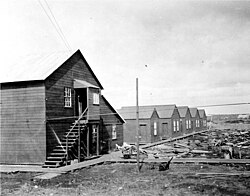
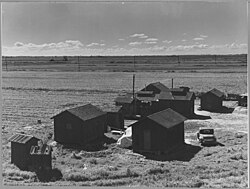
The history of Filipino labor in the U.S. is marked by contributions to essential industries. In the early 20th century, Filipino workers were prominent in the salmon canneries of Alaska and as farm laborers in various states.
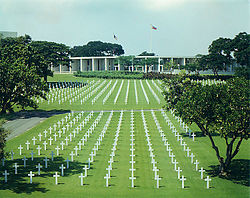
The community also has a distinguished military history. Filipino World War II veterans have long sought recognition for their service. This struggle for equity led to the awarding of the U.S. Congressional Gold Medal to Filipino WWII veterans in 2017.

Cultural Heritage and Traditions
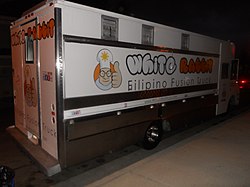
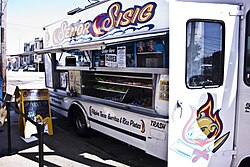
Filipino American culture is a fusion of traditional Philippine values and American influences. This is most evident in the community's cuisine, which has seen a surge in popularity through fusion food trucks and high-end restaurants in cities like Los Angeles and San Francisco.
Annual Celebrations and Holidays
The community maintains a robust calendar of events that celebrate both national identity and historical figures. Key observances include:
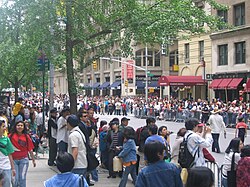
- Philippine Independence Day: Celebrated nationwide on June 12, with major parades in New York City.
- Jose Rizal's Birthday: Observed on June 19 to honor the national hero of the Philippines.
- Filipino American History Month: Observed every October nationwide.
- Simbang Gabi: Christmas dawn masses held from December 16 to 24.
Frequently Asked Questions
What is the total population of Filipino Americans?
As of 2023, there are approximately 4,640,313 people of Filipino ancestry or ethnic origin in the United States, with 2,051,900 of them being born in the Philippines.
Where are the largest Filipino American populations located?
Significant populations are concentrated in the Western United States and Hawaii, as well as in states including Texas, Florida, Illinois, New Jersey, New York, and Virginia.
What is the primary religion of Filipino Americans?
The majority of Filipino Americans are Roman Catholic, accounting for 65% of the population, followed by Protestantism at 21%.
How does the income of Filipino Americans compare to the U.S. average?
With a per capita income of $47,819 in 2023, Filipino Americans earn more than the overall U.S. population average of $43,313.
Which historical figure is widely honored by the community in June?
Jose Rizal, the national hero of the Philippines, is honored on his birthday, June 19, through various celebrations and events nationwide.