Field Marshal Sir John French: The Life and Legacy of the 1st Earl of Ypres
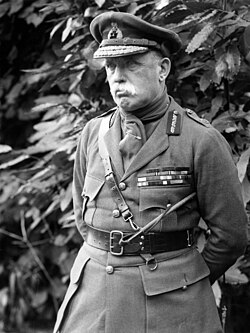
Field Marshal Sir John French, later the 1st Earl of Ypres, was a central and often controversial figure in British military history. From his early days in the Royal Navy to his leadership of the British Expeditionary Force (BEF) during the opening stages of the First World War, French's career spanned the height of the British Empire's global military engagements.
While recognized for his bravery and cavalry expertise, his tenure as a senior commander was marked by professional struggles and intense criticism. His journey from a dashing cavalry officer to the Lord Lieutenant of Ireland reflects the turbulent transition of the British Army into the era of industrial warfare.
![Colonel French in full dress uniform, 1892.[37] This is one of the few photographs of French taken before his appearance aged dramatically, and hinting at his success as a womaniser.[38]](/images/6b/8e/6b8e72f3e2b5ec376f43a9b9ff808cf1a335e5e79a975017029aade6f33b8b3e.jpg)
Key Facts
- Full Name: John Denton Pinkstone French, 1st Earl of Ypres.
- Highest Rank: Field Marshal.
- Major Commands: Commander-in-Chief of the BEF, Commander-in-Chief Home Forces, and Lord Lieutenant of Ireland.
- Key Conflicts: Mahdist War, Second Boer War, First World War, and the Irish War of Independence.
- Notable Honors: Knight of the Order of St Patrick, GCB, OM, GCVO, and KCMG.
- Life Span: 28 September 1852 – 22 May 1925.
Early Life and Military Ascent
Born in Ripple, Kent, French began his professional life in the Royal Navy (1866–1870) before transitioning to the British Army. He spent significant time with the 8th King's Royal Irish Hussars and the 19th Royal Hussars. By September 1888, he had become the Commanding Officer of the 19th Hussars, where he gained a reputation for initiative and organizational skill.
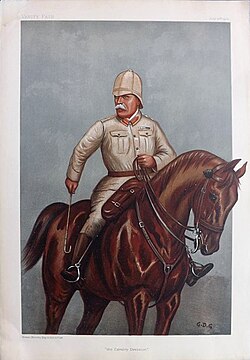
French's career took him to Sudan during the Mahdist War and later to India in 1891. It was during a cavalry exercise in India that he first met Captain Douglas Haig, beginning a professional relationship that would last a quarter of a century and shape the course of the First World War.
The Boer War and Edwardian Prominence
The Second Boer War served as a catalyst for French's rise. He distinguished himself through various operations, including the relief of Kimberley and actions at Paardeberg and Kroonstad. His success as a cavalry commander earned him significant acclaim and brought him into the inner circles of military power.
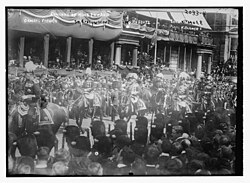
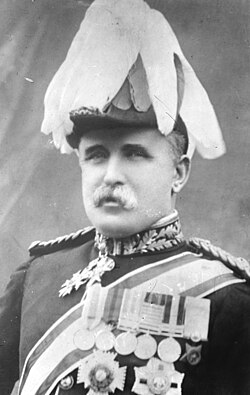
Following the war, French ascended through the ranks during the Edwardian period. He served as the Corps Commander at Aldershot and eventually became the Chief of the Imperial General Staff (CIGS)—the professional head of the British Army—in 1912. He was promoted to Field Marshal on 3 June 1913.
Commanding the BEF in World War I
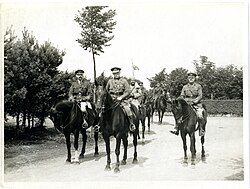
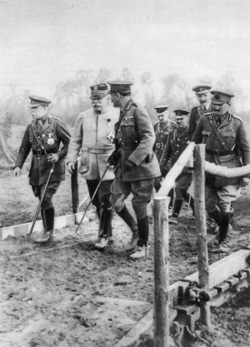
At the outbreak of the First World War in 1914, French was appointed Commander-in-Chief of the British Expeditionary Force. He led the army through the initial mobilization and the subsequent clash at the Battle of Mons. This period was characterized by the grueling Retreat to the Marne and the subsequent battles of the Aisne.
French's leadership was tested during the First Battle of Ypres, where the BEF suffered heavy losses but held the line. However, his relationship with French General Joffre and other allies was often strained. By 1915, following the failures at Neuve Chapelle and the "Shells Scandal"—a political crisis regarding the shortage of artillery ammunition—French's position became untenable.
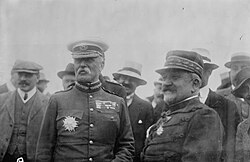
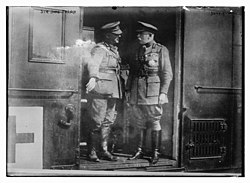
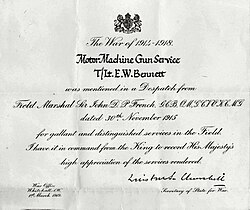
The Battle of Loos in 1915 proved to be the final straw. Facing severe criticism for the planning and execution of the offensive, French resigned his command. He was succeeded by his long-time acquaintance, Sir Douglas Haig.
Later Years and Political Roles
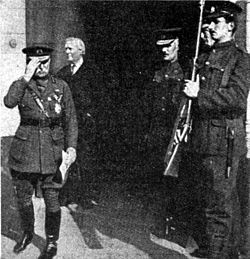
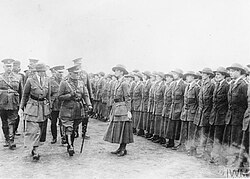
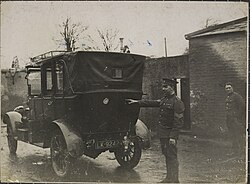
After leaving the BEF, French served as Commander-in-Chief, Home Forces from 1916 to 1918. In May 1918, he was appointed Lord Lieutenant of Ireland, the British monarch's representative in Ireland. He held this post during the height of the Irish War of Independence (1919–1922), a period of intense violence and political instability.
During this time, French published his memoirs, titled 1914. The volume was widely criticized for being inaccurate and attempting to shield his own reputation at the expense of others.
Death and Historical Assessment
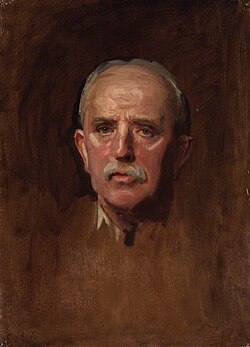
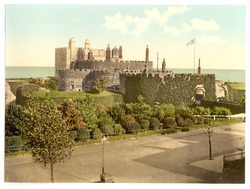
French retired to Kent, where he died on 22 May 1925, at the age of 72. He is buried in Ripple, Kent. Historians' views of French remain divided. While some, like Brian Bond, describe him as a brave fighting general who was simply "out of his professional depths" during the First World War, others highlight his warmth and generosity as a man, contrasted with his struggles as a strategic commander.
Summary of Career and Honors
| Category | Details |
|---|---|
| Military Ranks | Royal Navy (1866-70), British Army (1870-1921), Field Marshal |
| Key Commands | CIGS, C-in-C BEF, C-in-C Home Forces, Lord Lieutenant of Ireland |
| Major Battles | Mons, Marne, First Ypres, Neuve Chapelle, Loos, Boer War |
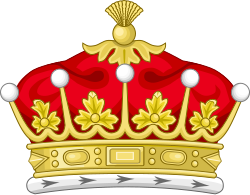
| Primary Titles | 1st Earl of Ypres, Viscount French |
| Motto | Malo Mori Quam Fœdari (I prefer to die than to be dishonoured) |
Frequently Asked Questions
Why was Sir John French's leadership of the BEF criticized?
French was often viewed as being overwhelmed by the scale of industrial warfare in 1914-1915. His strategic disagreements with General Joffre and the failures of the Battle of Loos led to widespread criticism of his professional capabilities.
What was the "Shells Scandal" mentioned in his career?
The Shells Scandal was a political and military crisis in 1915 involving a severe shortage of high-explosive artillery shells on the Western Front, which hampered British offensives and contributed to the pressure for French's resignation.
What role did he play in Ireland?
From 1918 to 1921, French served as the Lord Lieutenant of Ireland, acting as the crown's representative during the Irish War of Independence.
Who succeeded him as Commander-in-Chief of the BEF?
Sir John French was succeeded by Sir Douglas Haig, a fellow cavalry officer with whom French had a long and complex professional relationship.
How is he remembered by modern historians?
He is generally seen as a courageous and spirited leader of cavalry who struggled to adapt to the static, attrition-based nature of trench warfare during the First World War.