Ficus carica: The History, Cultivation, and Nutrition of the Common Fig
The common fig, scientifically known as Ficus carica, is a deciduous tree or large shrub that has accompanied human civilization since its earliest beginnings. Known for its sweet, teardrop-shaped fruit and distinctive lobed leaves, the fig is more than just a culinary delight; it is a botanical marvel with a history that may predate the domestication of staple grains.
From the sun-drenched landscapes of the Mediterranean to the fertile valleys of California, the fig has adapted to various climates, becoming a global commodity valued for both its fresh and dried forms.
Key Facts
- Scientific Name: Ficus carica (Family: Moraceae).
- First Cultivation: Evidence suggests domestication as early as 9400–9200 BCE in the Jordan Valley.
- Global Production: Approximately 1.34 million tonnes produced annually as of 2024.
- Top Producer: Turkey leads world production, accounting for 28% of the total.
- Botanical Structure: The fruit is actually a syconium, an inverted flower cluster.
- Nutritional Profile: Rich in dietary fiber and manganese, especially when dried.
Botanical Description and Characteristics
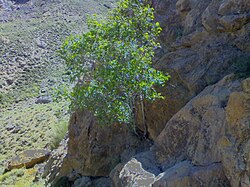
Ficus carica is a gynodioecious plant, meaning it has both female and hermaphrodite flowers on separate plants. The tree typically reaches heights of 7 to 10 meters (23–33 feet) and is characterized by smooth white bark. Its fragrant leaves are rough to the touch, measuring roughly 20 cm long and 14 cm wide, with deep lobes usually numbering three or five.
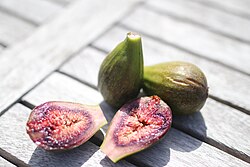
The fruit, or syconium, is teardrop-shaped and typically 3 to 5 cm in length. While initially green, the fruit ripens into shades of purple or brown, revealing a soft, reddish flesh filled with numerous small seeds. In the Northern Hemisphere, the peak season for fresh figs runs from early August to early October.
History and Global Cultivation
The Dawn of Agriculture
The edible fig is potentially the first plant ever cultivated by humans. Archaeological finds in the Neolithic village of Gilgal I in the Jordan Valley revealed subfossil figs dating to 9400–9200 BCE. These figs were of a parthenocarpic type—meaning they developed fruit without pollination and were therefore sterile. This suggests that early humans intentionally planted these desirable sterile trees roughly a thousand years before the domestication of wheat and rye.
Modern Expansion and California Figs
While the Mediterranean remains the heart of fig production, other regions have adopted the crop. In the late 19th century, California emerged as an ideal producer due to its Mediterranean-like climate. A notable example is the Calimyrna fig, a variety of the Turkish Lob Injir brought to the U.S. from Turkey to thrive in the California latitude.
Production and Economic Impact
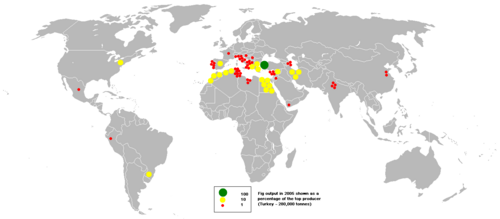
Because fresh figs are highly perishable and easily damaged during transport, the majority of commercial production is focused on dried and processed forms, such as jams, biscuits, and rolls. In 2024, global production reached 1.34 million tonnes.
| Country | Production (Tonnes) |
|---|---|
| Turkey | 375,000 |
| Egypt | 217,194 |
| Algeria | 114,937 |
| Morocco | 106,237 |
| Iran | 75,432 |
| Afghanistan | 59,916 |
| Spain | 55,420 |
| United States | 28,174 |
Nutritional Value and Uses
The nutritional composition of figs changes significantly between their fresh and dried states. Raw figs are composed of approximately 79% water and 19% carbohydrates, providing a moderate amount of dietary fiber (14% DV) and 74 kcal per 100g.
When dried, the water content drops to 30%, concentrating the nutrients. Dried figs are a rich source of dietary fiber and manganese (26% DV), and provide moderate amounts of potassium, magnesium, iron, calcium, and vitamin K. A 100g serving of dried figs provides approximately 249 kcal.
While the fruit is safe and nutritious, the milky sap found in the green parts of the Ficus carica plant is a known irritant to human skin.
Frequently Asked Questions
Is the fig a true fruit?
Botanically, the fig is not a single fruit but a syconium—a fleshy, hollow receptacle that contains numerous tiny internal flowers and seeds.
Which country produces the most figs?
Turkey is the world's leading producer of figs, accounting for approximately 28% of the global total in 2024.
Are dried figs healthier than fresh figs?
Dried figs have a higher concentration of nutrients per gram, particularly fiber, manganese, and potassium, but they also contain significantly more calories and sugar due to the loss of water.
Can fig trees grow in cold climates?
While they prefer Mediterranean climates and tolerate seasonal drought, some cultivars can be grown in hot-summer continental climates, though they may require specific overwintering techniques.
Is any part of the fig tree toxic?
The fruit is edible, but the milky sap found in the leaves and green stems can act as a skin irritant.