Fensham Reserve Biodiversity and Ecosystem Conservation
Fensham Reserve serves as a critical sanctuary for indigenous flora and fauna within the Wellington Region. As a vital component of the local landscape, the reserve protects a diverse array of forest types and provides a necessary refuge for endangered species, maintaining ecological balance in a region where original vegetation has become increasingly scarce.
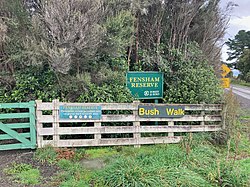
The Fensham Key Native Ecosystem (KNE)
The reserve comprises the majority of the Fensham Key Native Ecosystem (KNE). Defined by the Wellington Regional Council, this KNE is located within the catchment of the Mangātarere Stream, situated to the east of the Tararua Ranges.
The land within this ecosystem is classified under the two highest categories of threatened ecosystems. This classification indicates a severe loss of habitat, with less than 10-20% of the original indigenous vegetation remaining across these specific land types throughout New Zealand.
Forest Composition and Flora
The botanical landscape of Fensham Reserve is dominated by black beech, but it also harbors specialized forest types that are considered regionally threatened in the Wellington Region. These include tōtara–tītoki and kahikatea–pukatea forests.
Ancient Swamp Forests and Regeneration
One of the most significant features of the reserve is its swamp forest. This area contains podocarps—a group of ancient coniferous trees—including kahikatea that may be as old as 700 years. In addition to these ancient stands, the reserve features areas of regenerating forest consisting of mānuka, tōtara, and black beech.
| Forest Type | Key Species | Conservation Status/Note |
|---|---|---|
| Dominant Forest | Black beech | Primary forest cover |
| Regionally Threatened | Kahikatea, Pukatea, Tōtara, Tītoki | Rare in Wellington Region |
| Swamp Forest | Kahikatea and other podocarps | Some trees up to 700 years old |
| Regenerating Forest | Black beech, Tōtara, Mānuka | Active regrowth areas |
Native Wildlife and Endangered Species
The diverse vegetation provides a rich habitat for a variety of native birds. Visitors to the reserve may encounter the kererū, tūī, bellbird, kākā, fantail, grey warbler, and kingfisher.
Beyond the canopy, the reserve's wetlands are of immense conservation value. They provide a critical habitat for the brown mudfish (Neochanna apoda), an endangered freshwater fish. Because this species is highly threatened in other locations, protected wetlands like Fensham are essential for its continued survival.
Key Facts
- Location: Mangātarere Stream catchment, east of the Tararua Ranges.
- Threat Level: Part of a KNE with less than 10-20% of original indigenous vegetation remaining.
- Ancient Flora: Swamp forest podocarps reaching ages of up to 700 years.
- Critical Species: Home to the endangered brown mudfish (Neochanna apoda).
- Rare Forests: Contains regionally threatened kahikatea–pukatea and tōtara–tītoki forests.
Frequently Asked Questions
What is a Key Native Ecosystem (KNE)?
A KNE is a region defined by the Wellington Regional Council to identify and protect areas of significant indigenous biodiversity, such as the Fensham KNE in the Mangātarere Stream catchment.
Which bird species can be found in Fensham Reserve?
Native birds present in the reserve include the kererū, bellbird, tūī, kākā, grey warbler, fantail, and kingfisher.
Why is the brown mudfish significant to this reserve?
The brown mudfish (Neochanna apoda) is an endangered freshwater fish. Fensham's protected wetlands provide a high-value conservation site because the fish is highly threatened in other areas.
How old are the trees in the swamp forest?
The swamp forest includes kahikatea and other podocarps that may be up to 700 years old.
What makes the forest types in Fensham Reserve rare?
Certain forest types, specifically the kahikatea–pukatea and tōtara–tītoki forests, are classified as regionally threatened within the Wellington Region.