Feminist Poetry: A Global History of Voice and Resistance
Feminist poetry is a diverse literary tradition inspired by and dedicated to the promotion of feminist principles. While some poets write with a conscious political aim, others are identified as feminist by later critics who recognize the subversive nature of their work. From ancient lyrics to modern digital verses, poetry has served as a vital vehicle for communicating with the public through anthologies, collections, and readings.
At its core, feminist poetry challenges traditional assumptions about language and meaning. It foregrounds women's experiences as valid and worthy of attention, often employing an intersectional approach—a framework that recognizes how different forms of oppression overlap based on race, sexuality, gender presentation, disability, or immigration status. This commitment to inclusivity has led to the creation of specialized journals, such as So To Speak, which specifically publish the work of women and nonbinary people.
Key Facts
- Origins: While it has no single birth date, Sappho of Ancient Greece is often cited as the first feminist poet for her depictions of female homosexuality.
- Purpose: It seeks to validate women's lived experiences and challenge patriarchal linguistic structures.
- Intersectionalism: Modern feminist poetry frequently addresses the overlapping impacts of race, class, and gender.
- Global Reach: The movement spans continents, from the Sanskrit-influenced works in India to the Confessional poets of North America and the suffragette writers of Britain.
Early Global Proponents
The roots of feminist expression in poetry are ancient. Sappho is frequently recognized as a primary early figure, particularly because she wrote about female homosexuality in a Greek culture that typically erased lesbian sexuality.
Feminist Poetry in Asia
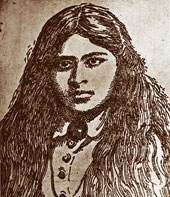
In 19th-century India, early Anglophone women poets blended European literary models with native traditions. The Dutt sisters, Toru and Aru, were prominent figures in this movement. Coming from a reformist family with unprecedented access to English and Bengali education, they attended lectures at Cambridge University in the 1870s. Toru Dutt, in particular, is credited with creating a new idiom in Indian English verse.
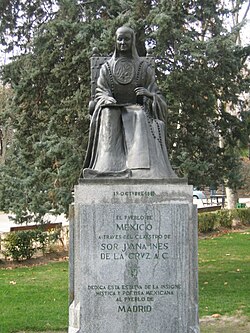
The Legacy of Sor Juana Inés de la Cruz
In Central America and the Caribbean, the legacy of Sor Juana Inés de la Cruz remains a cornerstone of feminist literary history, utilizing poetry to question the intellectual limitations placed upon women.
Feminist Poetry in North America
North American feminist poetry has evolved from early colonial voices to the radical shifts of the 20th century.
Early Voices and Abolitionism
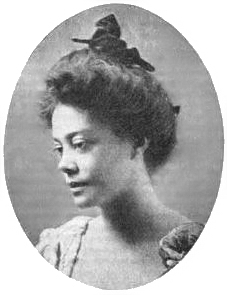
Phillis Wheatley (1753–1784), brought to Boston from Africa as a slave, became the first Black person to publish a book of poems in the American colony. While some critics viewed her work as submissive, she is regarded as a "foremother" for Black women poets and was an active voice in the abolitionist movement and the cause of American independence.
The Rise of Confessionalism
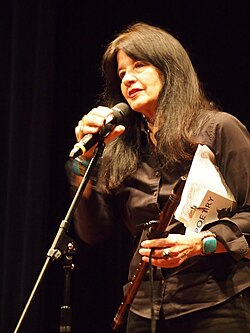
By the 1960s, feminist poetry became a central space for second-wave politics. Poets like Sylvia Plath and Anne Sexton utilized Confessional poetics—a style focusing on the intimate, often taboo details of personal experience—to address the social limitations plaguing American women. This movement worked in tandem with influential texts like Betty Friedan's The Feminine Mystique.
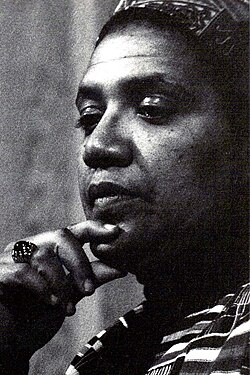
Lucille Clifton also employed Confessionalism to navigate the tension between white feminist traditions and the critiques of Black male critics. Similarly, Audre Lorde used poetry to explore the intersections of race, sexuality, and power.
Anthologies and Canon Building
The 1970s and '80s saw a surge in feminist anthologies that established a formal canon for women's writing. Notable works include Sisterhood is Powerful (1970) and Black Sister: poetry by black American women, 1746–1980 (1981). These collections provided the necessary ground for feminist ideas to circulate within North American academies.
Feminist Poetry in Western Europe
In Britain, the poetic imagination was viewed by Mary Wollstonecraft as a tool for liberation, inspiring 19th-century writers to engage in public debates regarding poverty, slavery, and gender roles.
Victorian and Modern Challenges
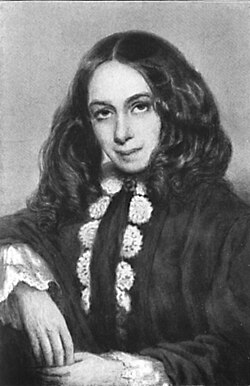
Elizabeth Barrett Browning's verse-novel Aurora Leigh (1856) challenged the notion that a woman's life was incompatible with poetry, influencing social reformers like Susan B. Anthony. Later, Amy Levy, the first modern Jewish woman poet, used her work to challenge heteronormative roles and prefigure the "New Woman"—an independent figure who worked for her own survival.
Suffragettes and the Women's Liberation Movement
During the suffrage movement, poetry was often a tool of necessity. The Holloway Jingles, for example, collected writings from women imprisoned for their political activism. By the 1960s, the Women's Liberation Movement led to the rise of feminist publishers like Virago and The Women's Press, further diversifying the landscape of British poetry through landmark anthologies.
Summary of Key Feminist Literary Figures
| Poet | Region | Key Contribution/Context |
|---|---|---|
| Sappho | Ancient Greece | Early exploration of female homosexuality. |
| Toru Dutt | India | Created a new idiom in Indian English verse. |
| Phillis Wheatley | North America | First Black person to publish a poetry book in the colonies. |
| Elizabeth Barrett Browning | Britain | Challenged incompatibility of womanhood and poetry. |
| Sylvia Plath | North America | Pioneered feminist Confessional poetics. |
| Audre Lorde | North America | Intersectional focus on race, sexuality, and power. |
Frequently Asked Questions
What is the primary goal of feminist poetry?
Feminist poetry aims to promote feminist principles, challenge patriarchal assumptions about language, and validate the lived experiences of women and marginalized groups.
Who is considered the first feminist poet?
Sappho of Ancient Greece is often given this title, largely due to her poetry focusing on female homosexuality during a time when such sexuality was typically erased.
What is "Confessional poetics" in the context of feminism?
Confessional poetics is a style that focuses on the intimate, personal, and often taboo aspects of the speaker's life. Feminist poets used this to break social silences and claim agency over their own narratives.
How did anthologies contribute to the feminist movement?
Anthologies created new canons of women's writing, allowing feminist ideas to be communicated, circulated, and studied within academic institutions.
What is the "New Woman" in British poetry?
The "New Woman" was a late 19th-century stereotype of an independent woman who worked for her own living and often challenged traditional gender norms and expectations.