Fashion Industry: A Global Perspective on Design and Culture
Fashion is a powerhouse global industry, with most major nations contributing to its evolution. While many countries maintain active design sectors, seven have earned an international reputation for excellence: the United States, France, Italy, the United Kingdom, Japan, Germany, and Belgium. At the heart of this ecosystem are the "big four" fashion capitals: New York City, Paris, Milan, and London.
Key Facts
- The Big Four: New York, Paris, Milan, and London are the primary global hubs of fashion.
- Haute Couture: High-end fashion that originated in 19th-century France, emphasizing custom-made, high-quality garments.
- Prêt-à-porter: A term born in the 1960s referring to "ready-to-wear" clothing designed for mass production.
- Regional Specialization: Different regions excel in specific niches, such as Miami's swimwear or Savile Row's formal tailoring.
- Digital Influence: Social media platforms, particularly Instagram, have become primary venues for fashion advertising and influencer marketing.
The United States: Diversity and Commercial Power
The United States possesses the largest and most multifaceted fashion industry in the world. New York City serves as the primary hub, with a high concentration of fashion houses in the Garment District. However, the industry is geographically diverse; Los Angeles produces a substantial percentage of the nation's high fashion, while Miami has emerged as a center for swimwear and beach-oriented styles.
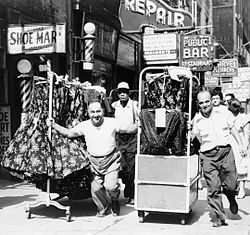
American design is characterized by a clean-cut, urban, and hip aesthetic that favors casual styles, reflecting the athletic and health-conscious lifestyles of the middle class. The industry is supported by world-class institutions like Parsons The New School for Design and global publications such as Vogue, Harper's Bazaar, and Cosmopolitan. The Met Gala in Manhattan stands as the world's most prestigious haute couture event.
The U.S. market is also heavily influenced by the LGBT community in New York and the rise of social media influencers on platforms like Instagram, Facebook, and Snapchat. Prominent American brands range from luxury names like Ralph Lauren and Tom Ford to athletic giants like Nike and Converse, and heritage brands like Levi Strauss and Co. and Brooks Brothers.
European Fashion Powerhouses
France: The Birthplace of Couture
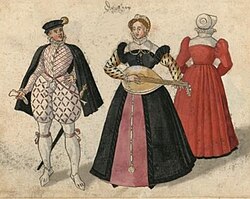
Fashion is central to French culture and economy. The industry expanded significantly in the 17th century, evolving into the specialized haute couture (high sewing) movement of the 1860s. By the 1960s, France introduced prêt-à-porter to meet the demands of pop culture. Paris remains the global fashion capital, hosting legendary houses such as Chanel, Louis Vuitton, Dior, and Hermès.
Italy: Glamour and Elegance
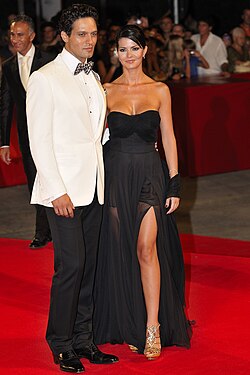
Italian fashion is defined by a blend of casual and glamorous elegance. While Rome is home to many older couturiers, Milan and Florence serve as the primary exhibition venues. Milan Fashion Week, held every February and September, is a critical event for buyers and media worldwide.
United Kingdom: Heritage and Rebellion
British fashion blends traditional craftsmanship with avant-garde innovation. It spans from the formal tailoring of Savile Row to the rebellious punk and mod subcultures. Historically, the UK relied on Scottish tweed, Welsh wool, and Irish linen. Designers like Mary Quant and Vivienne Westwood famously challenged conventions by capturing the spirit of youth culture.
Belgium and Germany
Belgium gained international prominence in the late 1980s and early 1990s through the "Antwerp Six"—including Dries Van Noten and Ann Demeulemeester—who introduced a personal, individualized vision mixing East and West. Germany is recognized for its unconventional young designers and strong sports and outdoor clothing sectors, with Berlin Fashion Week serving as a key showcase for creativity.
Asian and Global Perspectives
Japan and China
Japanese fashion, centered in Tokyo, is known for loose, unstructured silhouettes, subtle colors, and rich textures, led by designers like Issey Miyake and Yohji Yamamoto. In China, the industry is evolving rapidly. While historically stigmatized for lower quality, a new generation of designers is gaining traction in global fashion weeks. The guochao movement among Gen Z shoppers emphasizes homegrown designers who incorporate Chinese history and culture.

India and Other Regions
India's fashion scene is centered in Mumbai, where Lakme Fashion Week showcases summer and winter collections. In Mexico, indigenous dress is deeply tied to regional materials like cotton and agave, featuring the huipil (a loose, sleeveless tunic). Mexican fashion also emphasizes "Mexican Pink" (Rosa Mexicano) as a core identity marker.
Global Fashion Summary
| Country | Primary Hub(s) | Key Characteristics | Notable Influence/Event |
|---|---|---|---|
| United States | New York, LA, Miami | Casual, urban, diverse | New York Fashion Week / Met Gala |
| France | Paris | Haute couture, luxury | Global Fashion Capital |
| Italy | Milan, Florence, Rome | Glamorous elegance | Milan Fashion Week |
| United Kingdom | London | Heritage meets rebellion | Savile Row / London Fashion Week |
| Japan | Tokyo | Unstructured, subtle colors | Tokyo Fashion Week |
| Germany | Berlin, Munich | Sports, outdoor, unconventional | Berlin Fashion Week |
Frequently Asked Questions
What are the "big four" fashion capitals?
The big four fashion capitals are New York City, Paris, Milan, and London.
What is the difference between haute couture and prêt-à-porter?
Haute couture refers to high-end, custom-made fashion that emphasizes exclusivity and craftsmanship, while prêt-à-porter refers to ready-to-wear clothing produced in standardized sizes for the general market.
What is the guochao movement in China?
Guochao is a trend pioneered by Gen Z shoppers in China who prefer homegrown designers that incorporate elements of Chinese history and culture into their clothing.
Which country is known for the "Antwerp Six"?
Belgium is home to the Antwerp Six, a group of designers who brought a highly individualized and personal vision to fashion in the late 1980s and early 1990s.
What is a huipil in Mexican fashion?
A huipil is a traditional historical garment from Mexico, described as a loose, sleeveless tunic made of two or three joined webs of cloth sewn lengthwise.