Understanding the Food and Agriculture Organization (FAO)
Since its inception in the mid-20th century, the Food and Agriculture Organization of the United Nations (FAO) has served as a cornerstone of global efforts to ensure food security and sustainable agricultural development. As a specialized agency of the United Nations, the FAO works to eliminate hunger and improve nutrition and food security for all, addressing the complex challenges of feeding a growing global population.
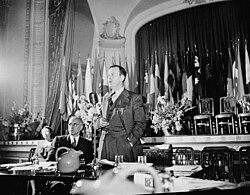
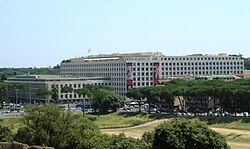
Founded on 16 October 1945, in Quebec City, Canada, the organization has evolved from a post-war reconstruction entity into a massive global network. Today, it operates from its headquarters in Rome, Italy, managing a diverse range of programs that span from forestry and fisheries to the management of genetic resources for food and agriculture.
Key Facts
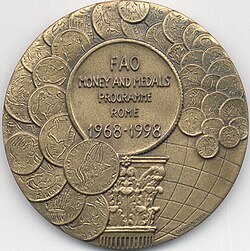
- Founded: 16 October 1945
- Headquarters: Rome, Italy
- Parent Organization: United Nations Economic and Social Council
- Current Director-General: Qu Dongyu
- Primary Mission: Achieving food security and sustainable agricultural development
Organizational Structure and Global Presence
The FAO maintains a sophisticated administrative structure to manage its global mandate. While the central leadership is based in Rome, the organization utilizes a network of regional and sub-regional offices to provide localized expertise and response capabilities.
Regional and Sub-regional Offices
To effectively address the unique needs of different continents, the FAO operates several Regional Offices:
- Africa: Accra, Ghana
- Asia and the Pacific: Bangkok, Thailand
- Europe and Central Asia: Budapest, Hungary
- Latin America and the Caribbean: Santiago, Chile
- Near East: Cairo, Egypt
Furthermore, Sub-regional Offices allow for more granular intervention in specific areas, such as Central Africa (Gabon), Central Asia (Turkey), Eastern Africa (Ethiopia), Mesoamerica (Panama), North Africa (Tunisia), Southern and East Africa (Zimbabwe), the Caribbean (Barbados), the Gulf Cooperation Council States and Yemen (UAE), and the Pacific Islands (Samoa).
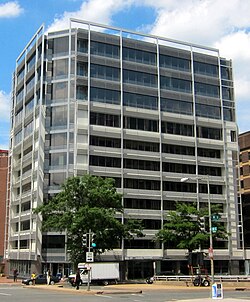
Beyond regional hubs, the FAO maintains several Liaison Offices to facilitate communication with major international bodies and governments. These are located in Washington, D.C., Yokohama, Brussels, Moscow, Geneva, and New York City.
Leadership and Staff
The organization is led by a Director-General, a role currently held by Qu Dongyu. The leadership team is supported by several Deputy Directors-General who oversee various operational and knowledge-based sectors. As of 2022, the FAO employs a dedicated staff of 3,202 professionals worldwide.
Core Priority Work Areas
The FAO's work is categorized into several critical pillars designed to protect the world's food systems and natural resources.
Food Security and Nutrition
A primary focus of the FAO is the fight against hunger. This includes managing the Codex Alimentarius (international food standards) and coordinating responses to global food crises. The organization also leads initiatives like the Alliance Against Hunger and Malnutrition, which was established to coordinate national efforts to meet UN Millennium Development Goals.
Agriculture and Plant Health
To ensure stable food production, the FAO works on Integrated Pest Management (a sustainable approach to managing pests) and monitors trans-boundary pests and diseases. They also oversee the International Plant Protection Convention and the Plant Treaty (ITPGRFA) to protect plant genetic resources.
Fisheries and Forestry
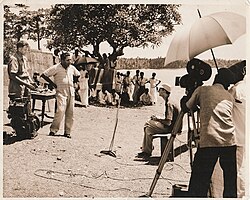
The FAO's mandate extends to the management of aquatic and forest resources. The Fisheries and Aquaculture Department works to ensure the sustainable use of ocean and freshwater resources. In the realm of forestry, the organization promotes the Tree Cities of the World initiative and monitors global forest resources.
Genetic Resources and Heritage
Protecting the biological foundation of our food supply is vital. The FAO manages the Commission on Genetic Resources for Food and Agriculture (CGRFA), which oversees both plant and animal genetic resources. Additionally, the Globally Important Agricultural Heritage Systems (GIAHS) program recognizes traditional agricultural landscapes that are essential for biodiversity and food security.
Data and Monitoring
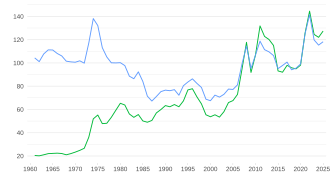
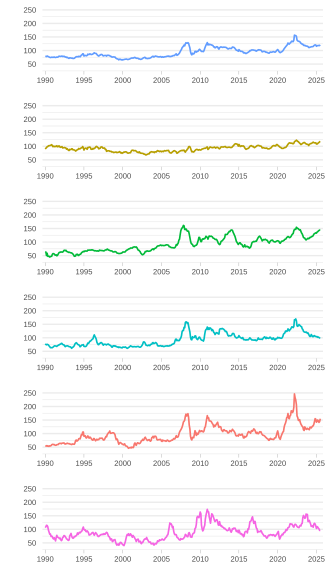
The FAO provides essential economic data used by policymakers worldwide. One of its most significant tools is the Food Price Index, which tracks the monthly price changes of a basket of food commodities. This index is a critical indicator of global food inflation and accessibility.
Summary of FAO Operations
| Sector | Key Focus Areas | Example Initiative |
|---|---|---|
| Food | Nutrition, food standards, and crisis response | Codex Alimentarius |
| Agriculture | Plant protection and genetic resources | Plant Treaty (ITPGRFA) |
| Fisheries | Aquaculture and sustainable fishing | Fisheries and Aquaculture Dept. |
| Forestry | Forest management and urban trees | Tree Cities of the World |
Membership and Partnerships
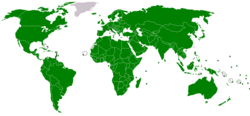
The FAO is a global community comprising a vast number of Member States and Associate Members. From Afghanistan to Zimbabwe, the organization's reach is truly international, involving nearly every nation on Earth. This membership allows the FAO to implement programs that are culturally and geographically relevant.
Frequently Asked Questions
What is the main purpose of the FAO?
The FAO is a specialized agency of the United Nations dedicated to defeating hunger, improving nutrition, and ensuring food security through sustainable agricultural, forestry, and fisheries practices.
Where is the FAO located?
The global headquarters of the FAO is located in Rome, Italy, though it maintains numerous regional and sub-regional offices across the globe.
How does the FAO track food prices?
The FAO uses the Food Price Index to monitor monthly changes in the prices of essential food commodities, providing vital data for understanding global food security trends.
What is the role of the Director-General?
The Director-General is the chief technical and administrative officer of the FAO, responsible for leading the organization's strategic direction and managing its global operations.
Does the FAO only work with governments?
While the FAO is composed of Member States, it also engages in partnerships and maintains liaison offices to work alongside various international organizations and regional bodies.