Famous Outlaws of History: From Legendary Highwaymen to Frontier Bandits
The figure of the outlaw occupies a unique space in the human imagination. While often romanticized in folklore and cinema as gallant rebels or champions of the poor, the reality of outlawry was historically far more severe. In a legal sense, outlawry was once a formal term of art—one of the harshest judgments a court could pronounce, effectively stripping an individual of all legal protections and rights.
From the forests of medieval England to the lawless frontiers of the American West and the rugged terrains of Brazil and India, outlaws have emerged in every corner of the globe. Whether they were political rebels, opportunistic thieves, or social bandits, their legacies continue to shape cultural narratives today.
Key Facts
- Legal Definition: Outlawry was originally a legal status where a person was deprived of the protection of the law.
- Cultural Archetypes: Figures like Robin Hood and the American Western outlaw serve as global symbols of resistance and lawlessness.
- Global Reach: Outlaw movements appeared in diverse forms, such as the Cangaceiros in Brazil, Hajduci in Croatia, and Klephtes in Greece.
- Extreme Penalties: In colonial Australia, specific laws allowed any citizen to shoot declared outlaws without trial.
The American Frontier and the Western Archetype
In contemporary culture, the outlaw is most frequently associated with the American West. This archetype represents the period of lawless expansionism in the late 19th century. These criminals typically operated from wilderness bases, disrupting the fragile institutions of new settlements.
By this era, many jurisdictions had abolished the formal legal process of outlawry, and the term shifted toward its popular meaning: a fugitive from the law. Figures such as Billy the Kid and Jesse James became legendary, their stories persisting long after their deaths.
Outlaws of Europe
Europe has a rich history of highwaymen—robbers who targeted travelers on public roads—and social bandits who challenged the nobility.
The British Isles
English folklore is dominated by Robin Hood, the legendary medieval outlaw. Other notable figures include Hereward the Wake, a Saxon resisting the Norman conquest, and various 17th-century highwaymen like John Nevison and James Hind. In Scotland, the legacy of the outlaw is carried by figures like Rob Roy MacGregor and the brutal Sawney Beane.
Continental Europe
Across the continent, outlaws often mirrored the social unrest of their time. In Germany, Johannes Bückler (Schinderhannes) became a prominent figure, while France saw the rise of Louis Dominique Bourguignon, known as Cartouche. In Italy, bandits like Salvatore Giuliano and Carmine Crocco often blended criminal activity with separatist or folk-hero status.
Spain also produced notorious figures, including the Andalusian Diego Corrientes Mateos and the modern-era El Lute, who transitioned from a "Most Wanted" criminal to a published writer.
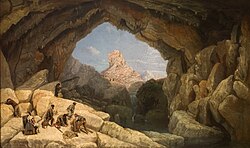
Outlaws of the Americas and Oceania
Beyond the United States, the Americas saw powerful outlaw figures who often intertwined with political revolutions. In Mexico, Pancho Villa (Doroteo Arango Arámbula) transitioned from an outlaw to a general in the Mexican Revolution, while Joaquín Murrieta became a symbol of resistance against Anglo-American domination.
In Brazil, the Cangaceiros were feared marauders of the Northeast, led by the notorious Lampião during the 1920s and 1930s. Canada's history includes high-stakes criminals like Ken Leishman, who executed the largest gold heist in Canadian history in 1966.
The Australian Bushrangers
Australia's outlaws, known as bushrangers, faced a particularly brutal legal reality. The colonial governments of New South Wales and Victoria passed laws—essentially bills of attainder—that stripped gangs of all legal rights. This meant anyone could shoot members of the Ben Hall or Ned Kelly gangs without the need for an arrest or trial.
Asian and Middle Eastern Outlaws
Asia's history of outlawry ranges from secret societies to legendary thieves. In India, the Thuggee were a secret network of fraternities that murdered and robbed travelers. Conversely, figures like Dulla Bhatti and Kayamkulam Kochunni are remembered in folklore for helping the poor.
East Asia features legendary figures such as the Japanese thief Ishikawa Goemon and the Chinese outlaw Song Jiang, immortalized in the classic Water Margin. In the Middle East, the Hashshashin (militant Ismaili Muslims) operated between the 8th and 14th centuries, while Simko Shikak led Kurdish banditry and rebellion.
Summary of Notable Global Outlaws
| Region | Notable Figure/Group | Key Characteristic |
|---|---|---|
| England | Robin Hood | Legendary folk hero |
| USA | Jesse James | Western frontier outlaw |
| Australia | Ned Kelly | Bushranger stripped of legal rights |
| Brazil | Lampião | Leader of the Cangaceiros |
| Mexico | Pancho Villa | Revolutionary general |
| India | Phoolan Devi | Famous dacoit (armed robber) |
| Japan | Ishikawa Goemon | Legendary thief |
Frequently Asked Questions
What was the original legal meaning of "outlawry"?
Originally, outlawry was a legal judgment that stripped a person of all legal protections. An outlaw had no legal rights, and in some jurisdictions, this meant they could be killed by anyone without the killer facing legal repercussions.
Who were the Australian bushrangers?
Bushrangers were outlaws who operated in the Australian wilderness. Notable gangs, such as those led by Ned Kelly and Ben Hall, were subject to specific colonial laws that allowed them to be shot on sight without a trial.
How did Pancho Villa differ from typical outlaws?
While he began as an outlaw, Pancho Villa became a significant military and political leader as a general during the Mexican Revolution.
What were the Thuggee in India?
The Thuggee were a network of secret fraternities in India that specialized in the murder and robbery of travelers.
Who was Lampião in Brazilian history?
Lampião was the leader of the Cangaceiros, a band of marauders who terrorized Northeastern Brazil during the 1920s and 1930s.