The F-16 Fighting Falcon: A Legacy of Multirole Excellence
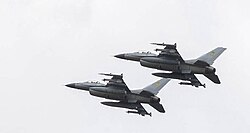
Since its introduction in the late 1970s, the F-16 Fighting Falcon has transformed from a lightweight fighter concept into one of the most successful multirole combat aircraft in aviation history. Designed to provide high maneuverability and air superiority, this American-made marvel has evolved through decades of technological advancements, serving as a cornerstone for air forces around the globe.
Whether engaging in air-to-air combat or performing precision ground strikes, the F-16's versatility is unmatched. This article explores the history, design, and incredible capabilities of a jet that has defined modern aerial warfare.
Key Facts
- Role: Multirole fighter and air superiority fighter.
- Manufacturer: Originally General Dynamics; currently Lockheed Martin.
- Total Built: 4,604 aircraft.
- Top Speed: Mach 2.05 at 40,000 feet.
- Primary Users: United States Air Force and 25 other nations.
- First Flight: February 2, 1974 (official).
Development and Evolution
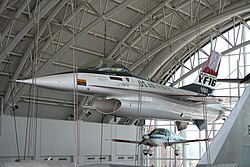
The F-16 began its journey as part of the Lightweight Fighter program. The goal was to create a highly agile, cost-effective aircraft capable of dominating dogfights. Following a competitive flyoff, the design moved from the experimental YF-16 phase into full-scale production.
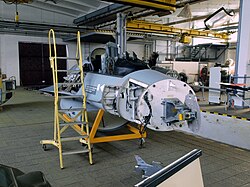
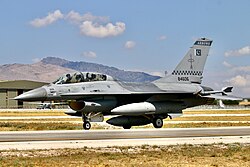
Over the years, the aircraft has undergone continuous improvements. From the early F-16A/B models to the advanced F-16V Viper, the platform has integrated new radar systems, electronic warfare suites, and improved propulsion. This adaptability has allowed the F-16 to remain relevant even as fifth-generation fighters enter the skies.
Technological Innovations
Several key design features set the F-16 apart from its contemporaries:
- Relaxed Stability and Fly-by-Wire: The aircraft is designed to be aerodynamically unstable, which increases maneuverability. A fly-by-wire system—an electronic interface that replaces manual flight controls—constantly makes tiny adjustments to keep the plane flying smoothly.
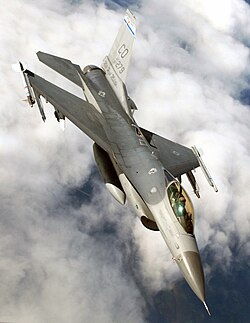
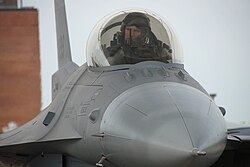
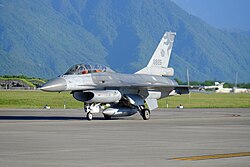
- Bubble Canopy: The seamless, single-piece canopy provides the pilot with exceptional all-round visibility, a critical advantage in combat.
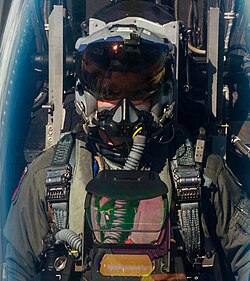
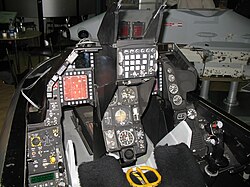
- Ergonomic Cockpit: Modern variants feature advanced cockpits, including the Joint Helmet Mounted Cueing System, which allows pilots to aim weapons simply by looking at a target.
Technical Specifications and Performance
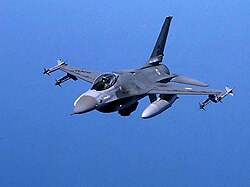
The F-16 is a powerhouse of engineering, balancing a relatively light airframe with immense thrust. Its ability to pull up to +9g (nine times the force of gravity) makes it one of the most agile fighters in existence.
Core Specifications (F-16C Block 50/52)
| Feature | Specification |
|---|---|
| Crew | 1 |
| Length | 49 ft 5 in (15.06 m) |
| Wingspan | 32 ft 8 in (9.96 m) |
| Max Takeoff Weight | 42,300 lb (19,187 kg) |
| Service Ceiling | 50,000 ft (15,000 m) |
| Max Speed | Mach 2.05 |

Propulsion and Maneuverability
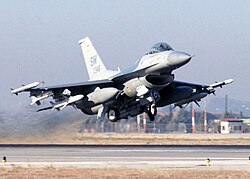
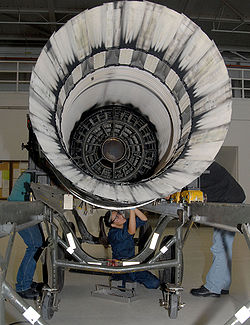
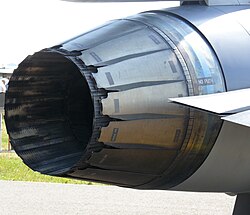
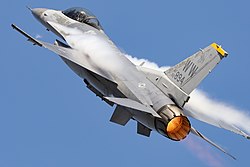
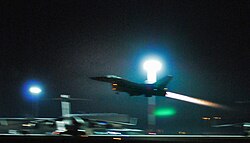
At the heart of the F-16 is its powerful engine, featuring an afterburner—a mechanism that injects fuel directly into the exhaust stream to provide a massive burst of thrust for takeoff or combat maneuvers. The adjustable exhaust nozzle allows the engine to optimize performance across different flight regimes.
Armament and Combat Capabilities
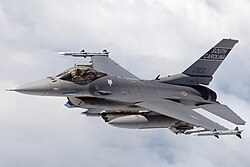
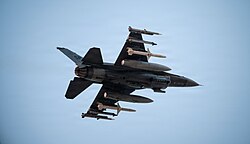
The F-16 is a true multirole platform, capable of carrying a diverse array of weapons for air-to-air, air-to-surface, and anti-ship missions.
Air-to-Air Combat
For aerial combat, the F-16 can utilize a variety of missiles, including the AIM-9 Sidewinder for short-range engagements and the AIM-120 AMRAAM for beyond-visual-range combat.
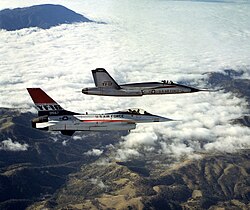
: A right-side view of a YF-16 (foreground) and a Northrop YF-17, each armed with AIM-9 Sidewinder missilesGround Attack and Specialized Missions
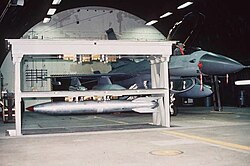
The aircraft's "multirole" designation comes from its ability to deploy precision-guided munitions. This includes JDAM (Joint Direct Attack Munition) series bombs, Paveway laser-guided bombs, and even B61 nuclear bombs in specific configurations. For maritime operations, it can carry the AGM-84 Harpoon anti-ship missile.
Global Presence and Operational History
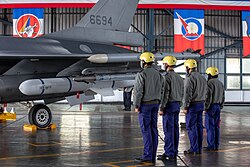
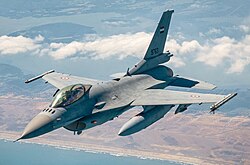
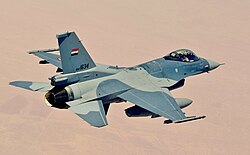
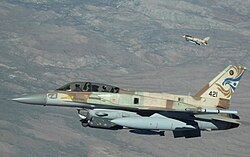
The F-16 has seen extensive combat service across the globe. From the Israeli Air Force, which holds a record for F-16 kills, to various operations in the Middle East, Europe, and Asia, the aircraft has proven its worth in diverse environments.
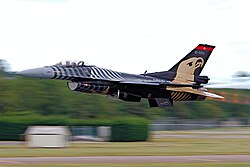
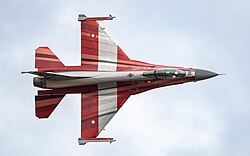
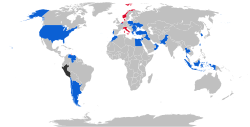
Today, the F-16 remains in active service with dozens of nations, including the United States, Turkey, Egypt, and Ukraine. Even as newer stealth fighters emerge, the F-16 continues to be upgraded with advanced AESA radar (Active Electronically Scanned Array) and electronic warfare suites to meet modern threats.
![Israeli Air Force F-16A Netz 107 with 6.5 kill marks of other aircraft, a record for an F-16, as well as one kill mark of an Iraqi nuclear reactor.[121]](/images/0b/0a/0b0a070505f4b553b43497f63e378d8fd97a74ff441356fde1911c634a9d619c.jpg)
Frequently Asked Questions
What does "multirole" mean in relation to the F-16?
A multirole fighter is an aircraft designed to perform several different types of combat missions, such as air superiority (fighting other planes), ground attack (striking land targets), and reconnaissance, rather than being specialized for just one task.
How does the F-16 achieve such high maneuverability?
The F-16 uses a combination of a highly aerodynamic design, a "relaxed stability" airframe that wants to turn easily, and a fly-by-wire computer system that manages the aircraft's movements to keep it controllable during extreme maneuvers.
Can the F-16 carry nuclear weapons?
Yes, certain configurations of the F-16 are capable of carrying nuclear munitions, such as the B61 bomb, as part of specific strategic roles.
What is the difference between the F-16A and the F-16V?
The F-16A is an earlier production model, while the F-16V (Viper) is a modern upgrade featuring advanced avionics, including more capable radar and electronic warfare systems, designed to compete with modern fourth and fifth-generation threats.
Is the F-16 still being produced?
Yes, while the original production runs have concluded, Lockheed Martin continues to produce and upgrade the F-16 for various international customers through modern variants like the Block 70.