Erminger Turritellenplatte: A Miocene Fossil Treasure in Germany
Located near Ulm, Germany, the Erminger Turritellenplatte is a remarkable geological site that offers a window into the ancient marine environments of Europe. This specific type of fossil-bearing rock is highly prized by geologists and paleontologists due to its extraordinary concentration of prehistoric remains.
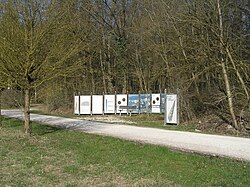
Because of its scientific significance and the rarity of its occurrence, the outcrop is strictly protected as a natural monument in its entirety.
Geological Context and Location
The site is situated within the northern region of the North Alpine Foreland Basin (NAFB). The rocks found here are marine sedimentary rocks, which formed from the accumulation of minerals and organic matter at the bottom of an ancient sea.
The composition of the sandstone suggests that the area was once characterized by shallow marine and near-coastal conditions, providing an ideal habitat for a diverse array of marine life.
The Turritella turris Phenomenon
The Erminger Turritellenplatte is most famous for its superabundance of shells from the Turritella turris. This species is a marine gastropod mollusk—a type of sea snail—belonging to the family Turritellidae.
The sheer density of these shells within the sandstone layers makes the site a primary point of study for those researching the biodiversity and environmental conditions of the Miocene epoch.
Dating the Deposit
Determining the exact age of the rock layers is crucial for geological mapping. Researchers have used two primary methods to date the Erminger Turritellenplatte:
- Petrographical and Palaeontological Data: The study of rock textures and the specific types of fossils present allows scientists to correlate the site with the Burdigalian stage of the Lower Miocene.
- Strontium (Sr) Isotope Analysis: By analyzing the Sr-isotope composition of shark teeth found within the deposit, researchers have estimated the age of the site to be approximately 18.5 million years.
Key Facts
- Location: Near Ulm, Germany, in the North Alpine Foreland Basin.
- Primary Fossil: Turritella turris (marine gastropod).
- Estimated Age: Approximately 18.5 million years (Lower Miocene/Burdigalian).
- Environment: Shallow marine and near-coastal conditions.
- Status: Protected as a natural monument.
| Feature | Details |
|---|---|
| Rock Type | Fossil-bearing marine sandstone |
| Geological Basin | North Alpine Foreland Basin (NAFB) |
| Key Species | Turritella turris |
| Dating Method | Sr-isotope composition of shark teeth |
| Coordinates | 48°23′20″N 9°53′35″E |
Frequently Asked Questions
What exactly is the Erminger Turritellenplatte?
It is a rich, fossil-bearing marine sedimentary rock outcrop located near Ulm, Germany, known for its high concentration of sea snail shells.
Which species is most common at this site?
The site is famous for the superabundance of Turritella turris, a marine gastropod mollusk from the Turritellidae family.
How old is the Erminger Turritellenplatte?
Based on Sr-isotope analysis of shark teeth, the deposit is estimated to be about 18.5 million years old, placing it in the Burdigalian stage of the Lower Miocene.
What was the environment like when these rocks formed?
The paleontological and petrographical evidence indicates that the area consisted of shallow marine and near-coastal environments.
Is the site open for public collection?
No, the outcrop is protected in its entirety as a natural monument to preserve its scientific value.