Erewash Constituency Boundary Changes (1983–Present)
The electoral landscape of the Borough of Erewash has undergone several significant transformations over the last four decades. These changes, driven by the Boundary Commission for England, ensure that parliamentary representation remains balanced as populations shift and local government structures evolve.
Understanding these boundary shifts provides insight into how local wards—the smallest electoral districts used for local government—are grouped to form a larger parliamentary constituency.
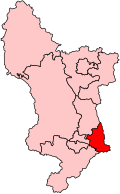
Key Facts
- The boundaries remained stable between 1983 and 1997, with a minor addition (Abbotsford) occurring in 1997.
- A major shift occurred in 2010 with the creation of the Mid Derbyshire constituency.
- The current boundary configuration was established following a local government review in May 2015.
- The 2023 review of Westminster constituencies resulted in no changes to the Erewash boundaries.
Evolution of the Erewash Boundaries
The Early Period: 1983 to 2010
From 1983 to 1997, the constituency was composed of a wide array of wards including Breaston, Cotmanhay, Dale Abbey, and several Ilkeston and Long Eaton sectors. In 1997, the boundary was slightly updated to include the Abbotsford ward, while maintaining the rest of the existing structure until 2010.
The 2010 Realignment
A pivotal change occurred for the 2010 general election. Following a review of parliamentary representation in Derbyshire, the Boundary Commission for England established the Mid Derbyshire constituency. This new entity absorbed several electoral wards from the existing Erewash seat and introduced minor alterations to neighboring constituencies.
Between 2010 and 2015, the Erewash constituency was streamlined to include 18 wards, such as Hallam Fields, Little Hallam, and the remaining Long Eaton and Sandiacre sectors.
Modern Boundaries: 2015 to Present
In May 2015, a local government boundary review took effect, redefining the constituency's composition. The current boundaries include a mix of consolidated and specific wards, such as Draycott & Risley and Kirk Hallam & Stanton-by-Dale.
Notably, these boundaries were reviewed again in 2023, but the commission determined that no changes were necessary, leaving the 2015 configuration intact.
Summary of Boundary Composition
| Period | Key Boundary Event | Notable Ward Changes |
|---|---|---|
| 1983–1997 | Baseline Configuration | Included 21 wards including Dale Abbey and Victoria. |
| 1997–2010 | Minor Update | Addition of Abbotsford ward. |
| 2010–2015 | Mid Derbyshire Creation | Loss of wards to the new Mid Derbyshire seat. |
| 2015–Present | Local Government Review | Current configuration including Shipley View and Larklands. |
Frequently Asked Questions
What caused the boundary changes in 2010?
The changes were the result of a review by the Boundary Commission for England regarding parliamentary representation in Derbyshire, which led to the creation of the Mid Derbyshire constituency.
When did the current boundary configuration take effect?
The current boundaries became effective in May 2015 following a local government boundary review.
Were there any changes to the boundaries in 2023?
No, the 2023 review of Westminster constituencies left the Erewash boundaries unchanged.
Which new wards were introduced in the 2015 review?
The 2015 configuration includes wards such as Larklands, Shipley View, and combined wards like Draycott & Risley and Kirk Hallam & Stanton-by-Dale.
What is the role of the Boundary Commission for England?
The Boundary Commission for England is the body responsible for reviewing and recommending changes to parliamentary constituency boundaries to ensure fair representation.