Equestrianism: The Art and Sport of Horse Riding
Equestrianism, derived from the Latin equus (horse), is the broad practice of horse riding, driving, and vaulting. While once the primary method of human transportation for centuries, by the 1930s and 1940s, it transitioned largely into a leisure, cultural, or competitive activity.
Today, equestrian activities span a vast spectrum, from practical working purposes and recreational trail riding to highly disciplined artistic exercises and international competitive sports.
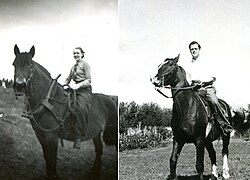
Key Facts
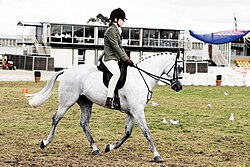
- Scope: Includes riding, driving, and vaulting for work, transport, art, and sport.
- Safety: Horse riding carries a higher risk of serious injury than cycling or skiing.
- Prevention: Helmets are critical in preventing traumatic brain injuries.
- Experience: Novice riders are significantly more prone to injury than professionals; roughly 100 hours of experience are needed to substantially reduce risk.
- Welfare: Modern studies have raised concerns regarding the impact of riding on horse pain and overall welfare.
The Evolution and Diversity of Horse Use
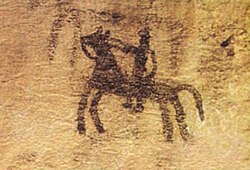
The relationship between humans and horses is ancient, as evidenced by prehistoric cave paintings depicting riders.
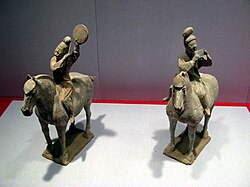
Over time, this relationship evolved into specialized disciplines. In the East, the Tang dynasty featured musicians riding horses, while in Europe, the development of Haute École (High School) led to the creation of prestigious academies. The "Big Four" most prestigious riding academies in the world include the Portuguese School of Equestrian Art, the Cadre Noir, the Spanish Riding School, and the Royal Andalusian School.
![Lusitano riders of the Portuguese School of Equestrian Art, one of the "Big Four" most prestigious riding academies in the world, alongside the Cadre Noir, the Spanish Riding School, and the Royal Andalusian School.[1]](/images/dd/9c/dd9cd1d05fa7a22542aae95ad4b25a24bfe14c123fa4f944ff1d08b3e35ee81d.jpg)
English and Western Traditions
Modern riding is often divided into two primary styles: English riding, which focuses on a closer contact with the horse and is common in dressage and jumping, and Western riding, which evolved from the needs of ranch work and cattle herding.
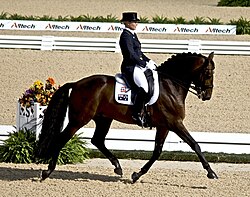
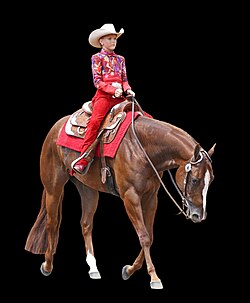
Competitive Equestrian Disciplines
Horse Racing and Endurance
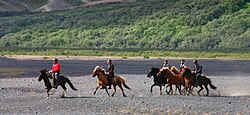
Racing occurs under saddle or in harness. A specialized form of distance racing is endurance riding, where horses cover 50 to 100 miles (80 to 161 km) over natural terrain. These events include mandatory veterinary checks to ensure the horse's vital signs and soundness are maintained before they are permitted to continue.
Rodeo and Cattle Work
Rodeo is a diverse set of competitions including timed events, roping, and "rough stock" competitions. This tradition varies globally, with distinct styles in Australia, Chile, and the Mexican Charreada.
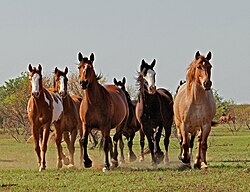
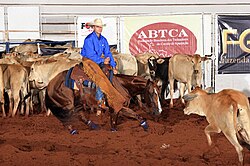
Other cattle-related sports include cutting (separating a cow from a herd), team penning, and campdrafting, which is particularly popular in Australia.
Arena and Defined Area Sports
Beyond racing and ranch work, horses are used in various specialized sports:
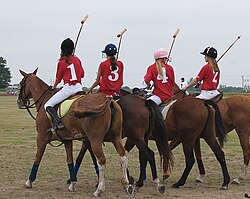
- Arena Sports: Polo (including Cowboy and Arena variants) and Pato, the national sport of Argentina.
- Defined Area Sports: Mounted archery, Yabusame, Horseball, and Polocrosse.
- Relay Games: Mounted Games, where teams of two to five members compete at high speeds.
Harness and Other Activities
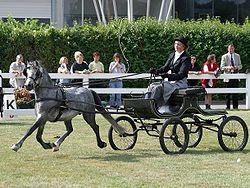
Driving involves controlling the horse from a carriage or cart, often seen in fine harness competitions.
Equestrian Safety and Health Risks
Despite its appeal, equestrianism is one of the more dangerous sports. In the United States, an estimated 30 million people ride annually, leading to approximately 50,000 emergency department visits per year.
Injury Statistics and Mechanisms
Most injuries result from falls (60–80%) or being kicked by the horse. A study in Germany found that while injuries are rarer than in some other sports, they tend to be more severe, with 40% of injuries being fractures.
| Injury Type | Reported Frequency/Percentage |
|---|---|
| Fractures | 28.5% (US NEISS data) |
| Contusions/Abrasions | 28.3% (US NEISS data) |
| Chest Injuries | 33% (New Zealand study) |
| Arm Fracture/Dislocation | 31% (New Zealand study) |
| Head Injuries | 21% (New Zealand study) |
The Importance of Protective Gear
Head injuries are a primary concern, with thousands of traumatic brain injuries reported annually in the US. Research indicates that helmets significantly prevent these injuries. Consequently, many organizations now mandate helmet use. For example, the United States Equestrian Federation and the United States Dressage Federation have implemented rules requiring helmets for various levels of competition and for all riders under 18.
Frequently Asked Questions
How dangerous is horse riding compared to other activities?
Horse riding is considered one of the more dangerous sports. In Germany, the risk of injury for adolescents was found to be 9 times higher than cycling. In the US, it has been noted as more dangerous than skiing, auto racing, and football in terms of hospital admittance rates per hour of activity.
Who is most at risk for equestrian injuries?
Novice equestrians are at the highest risk. One study found that novices had an injury incidence three times higher than intermediates, five times higher than advanced riders, and nearly eight times higher than professionals.
What are the most common causes of riding accidents?
The vast majority of injuries (60–80%) are caused by falling from the horse. Other significant causes include being kicked, which can lead to skull fractures or internal organ trauma.
What is endurance riding?
Endurance riding is a long-distance competition, typically covering 50 to 100 miles over natural or mountainous terrain. It emphasizes horse welfare, requiring scheduled veterinary checks to ensure the horse is fit to continue before a winner is declared.
Are helmets mandatory in professional competitions?
Many organizations have moved toward mandatory helmet use. In the US, helmets are required at nationally rated eventing competitions and for dressage riders under 18 or those competing at Fourth Level and below.