Entertainment: The Evolution of Human Engagement and Pleasure
Entertainment is a fundamental human activity designed to hold the attention and interest of an audience while providing pleasure and delight. Whether expressed as a single idea or a complex task, entertainment encompasses a vast array of activities and events that have been meticulously developed over thousands of years to engage the human spirit.
While individual preferences vary, the core forms of entertainment remain remarkably consistent across cultures. Storytelling, music, drama, dance, and various performance arts have existed throughout history, once supported primarily in royal courts before evolving into sophisticated forms accessible to the general public. In the modern era, the rise of the entertainment industry has accelerated this process, allowing for the recording and mass distribution of entertainment products.

Key Facts
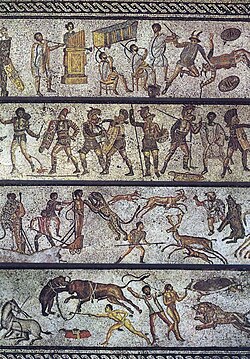
- Universal Forms: Storytelling, music, dance, and drama are recognized across almost all human cultures.
- Scalability: Entertainment ranges from private, individual consumption to massive global broadcasts.
- Historical Shift: Many forms of entertainment transitioned from exclusive royal court activities to public spectacles.
- Modern Industry: The contemporary era is defined by an industry that records, packages, and sells entertainment.
The Diverse Forms of Human Entertainment

Entertainment is not a monolith; it adapts to different social contexts, scales, and mediums. From the intimate setting of a banquet to the roar of a stadium, the ways we seek delight are as varied as humanity itself.
Banquets and Social Gatherings
Banquets have served as a primary form of social entertainment for centuries. These gatherings often combine food with music and performance to create a multi-sensory experience. Historical records show banquets ranging from Ancient Egyptian wall paintings to Byzantine celebrations featuring various musical instruments.

Music and Performance Arts
Music is one of the most pervasive forms of entertainment. It can be experienced privately through headphones or collectively in massive concert halls. Performance arts, including theatre and dance, utilize staging and stagecraft to transport audiences into different worlds. This includes everything from traditional Japanese Noh theatre to modern satirical comedy.


Games and Storytelling
Games provide intellectual and social engagement, ranging from ancient chess matches to modern electronic games like StarCraft. Closely linked to games is the art of storytelling. Storytelling is a universal constant, whether delivered through oral traditions, puppet shows like the Wayang golek in Java, or modern cinematic narratives.


Spectacle: Circus, Parades, and Fireworks
For many, entertainment is found in the grand spectacle. The circus, parades, and fireworks displays offer visual excitement that can captivate crowds of all ages. These events often utilize specialized architecture, such as the Roman Colosseum, to accommodate mass audiences.


Summary of Entertainment Mediums

| Category | Examples | Primary Engagement Type |
|---|---|---|
| Performing Arts | Theatre, Dance, Music | Visual and Auditory |
| Narrative | Storytelling, Cinema, Literature | Imaginative and Emotional |
| Interactive | Games, Sports, Magic | Intellectual and Physical |
| Social | Banquets, Parades, Fairs | Communal and Sensory |
The Modern Entertainment Industry

The transition from live, localized events to a globalized industry has changed how we consume media. The entertainment industry now focuses on the production and distribution of packaged content, such as 35mm film reels or digital streams. This has led to the convergence of different media forms, where technology allows for new ways to experience old traditions.


Frequently Asked Questions


What is the difference between entertainment and the entertainment industry?
Entertainment refers to the activities themselves that provide pleasure or interest, whereas the entertainment industry refers to the commercial sector that produces, records, and sells these activities as products.
How has technology changed entertainment?
Technology has enabled the recording and mass distribution of entertainment, allowing individuals to enjoy performances privately and allowing creators to reach global audiences through cinema, television, and digital gaming.
Are there universal forms of entertainment?
Yes, forms such as music, storytelling, dance, and drama have been found to exist across nearly all human cultures throughout history.
Can entertainment be used for purposes other than pleasure?
While the primary goal is often pleasure or interest, entertainment can also be adapted for education, social change, or even political propaganda.
What role does architecture play in entertainment?
Architecture provides the necessary venues for entertainment, ranging from intimate domestic stages to massive structures like the Colosseum or modern stadiums designed to hold thousands of spectators.