Energy Drinks: Ingredients, Health Impacts, and Global Regulations
Energy drinks are a category of functional beverages—drinks designed to provide a specific health or performance benefit—that first emerged in Japan in 1962. Marketed primarily to young people, these drinks are designed to provide stimulating effects, primarily through the use of caffeine. Over the decades, they have evolved from niche products into a massive global industry with a wide variety of flavors and concentrations.
While many consumers use them for a quick boost in alertness, the high concentration of stimulants has led to increased scrutiny from health organizations and governments worldwide.
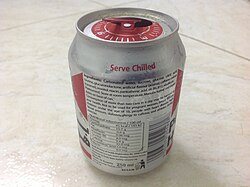
Key Facts
- Origin: First introduced in Japan in 1962.
- Caffeine Range: Typically between 50 mg and 505 mg per serving.
- Market Value: Estimated at $45.80 billion in 2020, projected to reach $108.40 billion by 2031.
- Market Leaders: Red Bull (43% share) and Monster Energy (39% share) dominate the global market.
- Safety Limits: The FDA suggests 400 mg of caffeine per day is safe for most healthy adults.
Ingredients and Composition
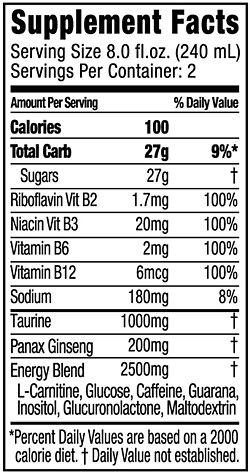
The primary active ingredient in most energy drinks is caffeine. To put this in perspective, a serving of an energy drink can contain significantly more caffeine than other common beverages. For example, while 250ml of coffee contains roughly 90 mg and 250ml of tea contains 50 mg, energy drinks can reach up to 505 mg per serving.
In the United States, caffeine levels typically range from 40 to 250 mg per 8 fluid ounce (237 ml) serving. Beyond caffeine, these drinks often include other stimulants or additives. Some variants include energy shots (highly concentrated doses) or mix packets. There are also specialized versions, such as non-caffeinated energy drinks and caffeinated alcoholic beverages.
Health Effects and Prevalence
The consumption of energy drinks is widespread. A 2024 review across Asia, Africa, Europe, Oceania, and the United States found that 55% of participants had tried an energy drink, with 9% consuming them daily.
However, this prevalence is accompanied by health risks. In the United States, emergency room visits related to energy drinks doubled between 2007 and 2011. During 2011, approximately 11% of the 20,783 people aged 12 or older who visited the ER for energy-drink-related issues required hospitalization.
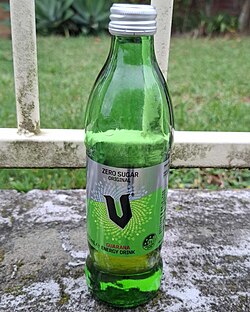
Global Market Trends
The energy drink industry has seen explosive growth. In 2017, global sales reached approximately 44 billion euros. To adapt to changing consumer preferences, manufacturers have begun introducing "clean" labels featuring organic ingredients, exotic flavors, and formulas with reduced sugar, lower calories, or ingredients intended to affect mood.
| Brand | Market Share (%) |
|---|---|
| Red Bull | 43% |
| Monster Energy | 39% |
| Rockstar Energy | 10% |
| Amp | 3% |
| NOS | 3% |
Regulatory Landscape
Due to health concerns, many countries have implemented strict regulations regarding the sale and composition of energy drinks.
India
The Food Safety and Standards Authority of India (FSSAI) regulates these beverages, setting daily limits on specific ingredients: taurine (2000 mg), D-glucuronic-Y-lactone (1200 mg), Inositol (100 mg), and pantothenic acid (10 mg).
Europe
- Latvia: Banned the sale of caffeine-containing energy drinks to minors under 18 in 2016. It also applies an excise tax on drinks with more than 8g of sugar per liter, which is set to rise to €21 per 100 liters by 2026.
- Spain: In Galicia, a regulation effective March 7, 2026, prohibits sales to individuals under 18, with fines up to €3,000 for violators.
- United Kingdom: While a general ban on sales to minors was scrapped in 2022, England plans to ban the sale of energy drinks to those under 16 by April 2027.
Frequently Asked Questions
How much caffeine is too much?
According to the FDA, 400 mg per day is generally safe for healthy adults (excluding pregnant individuals), while 1200 mg per day can be toxic.
How do energy drinks compare to coffee?
While 250ml of coffee typically contains 90 mg of caffeine, energy drinks can vary wildly, ranging from 50 mg to as high as 505 mg per serving.
Are energy drinks banned for children in some countries?
Yes. Countries like Latvia and regions in Spain have implemented bans for those under 18, and England is planning a ban for those under 16 by 2027.
What are the most popular energy drink brands globally?
As of 2020, Red Bull and Monster Energy are the dominant leaders, collectively holding 82% of the global market share.