Empidinae: The Fascinating World of Dance Flies
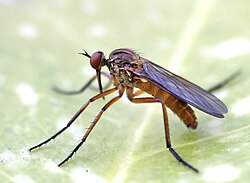
In the diverse world of insects, few groups exhibit social behaviors as dramatic as the Empidinae. Commonly known as dance flies, these members of the Empididae family are small to medium-sized flies that have earned their nickname through their unique mating rituals. Whether they are participating in swirling aerial swarms or acting as unexpected pollinators, dance flies play a significant role in their ecosystems.
Belonging to the order Diptera (true flies) and the lineage Eremoneura—a group characterized by larvae that pass through three distinct developmental stages—Empidinae are primarily predatory. While they are known for hunting, they are also frequent visitors to flowers, making them effective pollinators in many habitats.
Key Facts
- Common Name: Dance flies
- Primary Diet: Predatory (hunters of other small insects)
- Mating Behavior: Lek mating involving courtship gifts
- Ecological Role: Predatory insects and effective pollinators
- Global Diversity: Highly diverse in the Neotropical region
Mating Rituals and Physical Traits
The most striking characteristic of the Empidinae is their mating behavior, known as lek mating. During these gatherings, males (and in some specific species, females) form swarms to attract mates. A notable aspect of this ritual is the courtship gift: males often present captured prey to females during the encounter.
To facilitate these complex interactions, approximately one-third of species possess specialized, sex-specific physical markings. These adaptations include:
- Pinnate leg scales: Feather-like structures on the legs.
- Modified wings: Wings that may appear darkened or enlarged.
- Abdominal air sacs: Inflatable structures used during courtship.
Taxonomy and Genera
The classification of dance flies is a complex field of study. Historically, most species were categorized into two massive genera: Empis and Rhamphomyia. Scientists distinguish between these two based on the structure of the wing, specifically whether the R4+5 vein forks near the tip of the wing.
Regional Variations in South America
In South America, the Empidinae are divided into two distinct ecological and biological groups:
- The Andean Group: Found in the temperate regions of Chile and Argentina, this group shares biological features with taxa found in Australia and New Zealand.
- The Neotropical Group: Located in warmer climates, this group includes genera such as Macrostomus, Porphyrochroa, Lamprempis, Opeatocerata, and certain Empis species.
Recent taxonomic research has refined our understanding of these groups. For instance, Porphyrochroa has been revalidated as a distinct genus from Macrostomus, leading to the identification of numerous new species within both.
Global Distribution and Diversity
While dance flies are found globally, they reach their highest levels of diversity in the Neotropical region. Of the fourteen recognized genera worldwide, twelve are recorded in the Neotropics, with seven of those being found exclusively in that region. This high concentration of endemic species highlights the importance of Neotropical habitats for the survival of the subfamily.
| Category | Details |
|---|---|
| Kingdom | Animalia |
| Phylum | Arthropoda |
| Order | Diptera |
| Family | Empididae |
| Subfamily | Empidinae |
| Primary Habitat | Global (Highest diversity in Neotropics) |
Frequently Asked Questions
Why are they called dance flies?
They are called dance flies because of the mating swarms formed by males or females during courtship rituals.
What do dance flies eat?
Most species are predatory, meaning they hunt other small insects, though they also visit flowers for nectar.
Do dance flies help with pollination?
Yes, because they are frequent flower visitors, many species act as effective pollinators within their ecosystems.
What is a courtship gift in Empidinae?
During lek mating, males often capture prey and present it to females as part of their courtship process.
Where can you find the most diverse populations?
The Neotropical region contains the highest diversity of Empidinae, hosting twelve of the fourteen recognized genera.