East Asian Age Reckoning: Traditional Methods and Modern Transitions
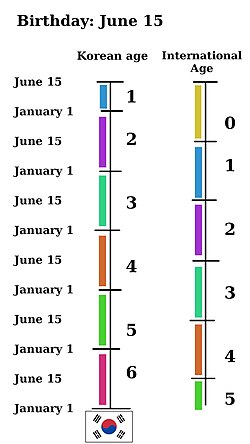
In many parts of the world, age is a simple calculation: the number of years that have passed since the day you were born. However, in the East Asian cultural sphere, age reckoning has historically followed a different logic. Traditional systems often count the number of calendar years in which a person has been alive, meaning a person is considered one year old the moment they are born. This can result in individuals being one or two years older than those using the international standard.
While these methods are deeply rooted in history, astrology, and cultural identity, many nations are currently transitioning toward the international system to reduce social confusion and align with global standards.
Key Facts
- Traditional Method: Age starts at 1 at birth and increases on each New Year.
- International Method: Age starts at 0 at birth and increases on each birthday.
- South Korea Transition: The government officially switched to the international system on June 28, 2023.
- Terminology: In China and Taiwan, the term suì is used for years of age; in Japan, the equivalent is sai.
- Cultural Significance: Traditional age is often linked to the 12 animals of the Chinese zodiac and astrological cycles.
The Origins of Traditional Age Reckoning
The roots of these systems can be traced back to ancient Chinese astrology. The method was originally tied to the belief that a person's fate is connected to specific stars in opposition to Jupiter. This duodecennial (12-year) cycle is central to the 12 animals of the Chinese zodiac, which change every Lunar New Year.
In this context, age is not merely a count of calendar years (nián), but a count of the number of Jovian stars (suì) that a person has lived through. By the Song dynasty, this system had spread throughout the Sinosphere, influencing the cultures of Japan, Korea, and Vietnam.
Regional Variations and Evolutions
While the foundations were similar, different regions developed unique nuances:
- China: In pre-modern times, a newborn was immediately one suì. Today, while official purposes use the international system, the term suì remains the standard way to speak about age.
- Taiwan (ROC): Traditional reckoning remains widely used in social contexts. Unlike the Gregorian calendar, age increments on the Lunisolar New Year.
- Japan: The traditional system, known as kazoedoshi (counted years), was officially replaced by the modern man nenrei system in 1902, with further legal encouragement to use the modern system in 1950.
- Vietnam: Known as tuổi mụ (midwives’ age) or tuổi ta, this traditional reckoning is still used by some, particularly older generations in rural areas.
The South Korean Transition
South Korea provides one of the most significant modern examples of the tension between traditional and international age systems. Historically, Koreans used the traditional system alongside the international system, known as man nai (full or actual age). This often led to confusion, particularly in medical and legal settings.
The complexity was heightened by a third intermediate system called "year age," which calculates the difference between the current year and the birth year. This system is still relevant for specific regulations, such as the age at which one can legally purchase tobacco or alcohol.
Why the Change Occurred
The push to standardize age in South Korea intensified during the COVID-19 pandemic. Inconsistent age counting created eligibility conflicts for vaccinations and vaccine passports. To resolve these disputes and reduce social hierarchy—where age often dictates the use of honorifics—the National Assembly passed a bill to prohibit the use of traditional ages on official documents. The change took effect on June 28, 2023.
Comparison of Age Reckoning Systems
| System Name | Starting Age at Birth | When Age Increases | Primary Usage Context |
|---|---|---|---|
| International (Man Nai) | 0 | On Birthday | Global standard, official legal documents |
| Traditional (East Asian) | 1 | On New Year's Day | Cultural traditions, zodiac/astrology |
| Year Age | 0 | On January 1st | Specific South Korean regulations (e.g., alcohol/tobacco) |
Frequently Asked Questions
How much older is a person in the traditional system?
A person using traditional East Asian reckoning is typically one or two years older than someone using the international system.
What is 'man nai' in South Korea?
Man nai refers to the international age system, where "man" means "full" or "actual." It is the system used for legal, medical, and official government purposes in South Korea.
Does the traditional system still exist in Japan?
While the traditional kazoedoshi system was rendered obsolete by law in 1902, the modern man nenrei system is the official standard used today.
Why is the 100th day celebration important in Korea?
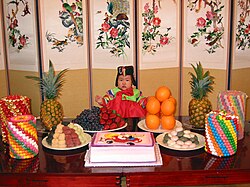
The 100th day after birth, called baegil, is a special celebration marking a child's survival through a period that historically had high infant mortality rates.
How is 'year age' used in South Korea?
"Year age" is used for certain age-related permissions. For example, a person is permitted to use tobacco and alcohol after January 1st of the year they turn 19 (based on post-birth age).