Earl Long: The Three-Time Governor of Louisiana
Earl Kemp Long was a towering and often eccentric figure in American politics, serving as the Governor of Louisiana on three separate occasions between 1939 and 1960. A member of the Democratic Party, Earl followed in the footsteps of his brother, the legendary Huey Long, carving out a political legacy defined by populist social programs, fierce legislative battles, and a complex relationship with the electorate.
Educated at Louisiana State University, Tulane University, and Loyola University New Orleans, where he earned his LLB (Bachelor of Laws), Long possessed a deep understanding of the state's legal and political machinery. His career spanned several decades, during which he navigated the volatile landscape of mid-century Southern politics.
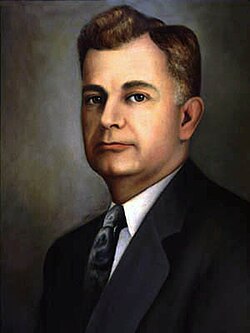
Key Facts
- Full Name: Earl Kemp Long
- Offices Held: 45th Governor of Louisiana (three terms) and 38th Lieutenant Governor.
- Political Party: Democratic
- Key Legacy: Expanded social welfare, equalized teacher pay, and repealed right-to-work laws.
- Family Connection: Brother of former Governor Huey Long.
- Death: Died of a heart attack on September 5, 1960, at age 65.
The Path to the Governorship
Earl Long's rise to power began in earnest following the assassination of his brother, Huey. In January 1936, he won the primary for Lieutenant Governor, defeating Clement Murphy Mos. He served in this role from 1936 to 1939. His first taste of the governorship came unexpectedly in 1939 when Governor Richard W. Leche resigned amidst a scandal, allowing Long to serve as governor for 11 months until May 1940.
The 1948–1952 Term
After a period in the political wilderness—including a failed bid for lieutenant governor in 1944—Long returned to power in 1948. He defeated rival Sam Jones by a significant margin, promising a sweeping array of benefits including old-age pensions, veterans' bonuses, and a modernized highway system. During this term, he faced a major heart attack in 1950 but recovered to continue his administration.
The 1956–1960 Term
Long's final term began with a decisive victory in the first primary, a rarity for Louisiana governors at the time. This era was marked by his efforts to ease the indignities faced by African Americans. He pushed for the equalization of teacher salaries between races and advocated for full black participation in elections, often clashing with leading segregationists like State Senator William M. Rainach.
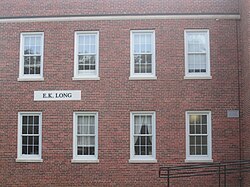
Social Initiatives and Legislative Impact
Much like his brother, "Uncle Earl" focused heavily on social welfare. His administrations were characterized by a commitment to providing for the needy and improving public infrastructure. Key achievements included:
- Education: Increased funding for universities and state colleges, the construction of new school buildings, and the implementation of free hot lunches for schoolchildren.
- Healthcare: The establishment of new charity hospitals, free dental clinics that traveled the state, and free ambulance services.
- Labor and Welfare: The repeal of the 1946 Goff Act (which restricted union tactics) and the repeal of "right-to-work" laws in 1956, which provided a significant boost to organized labor.
- Social Safety Nets: The provision of a $50 pension for the elderly and increased assistance grants for foster care and families with dependent children.
Personal Eccentricities and Final Years
Earl Long was as famous for his personality as he was for his policies. Known for eccentric behavior, he was often the subject of speculation regarding his mental health, with some suggesting he may have had bipolar disorder. During his final term, attempts were made by his wife, Blanche Revere, and others to remove him from office due to mental instability, leading to a brief confinement at the Southeast Louisiana Hospital in Mandeville.
Despite these struggles, Long remained politically ambitious. In 1960, he won the Democratic nomination for the U.S. House of Representatives for Louisiana's 8th congressional district. He was running unopposed in the general election but died of a fatal heart attack on September 5, 1960, before he could take office.
Summary of Gubernatorial Terms
| Term Period | Preceded By | Succeeded By | Lieutenant Governor |
|---|---|---|---|
| 1939–1940 | Richard W. Leche | Sam H. Jones | Coleman Lindsey |
| 1948–1952 | Jimmie Davis | Robert Kennon | Bill Dodd |
| 1956–1960 | Robert Kennon | Jimmie Davis | Lether Frazar |
Frequently Asked Questions
How many times was Earl Long Governor of Louisiana?
Earl Long served as governor on three separate occasions: from 1939 to 1940, 1948 to 1952, and 1956 to 1960.
What was Earl Long's relationship with Huey Long?
Earl Long was the brother of Huey Long. Both were members of the Democratic Party and served as the Governor of Louisiana.
What were some of Earl Long's most significant social policies?
He implemented old-age pensions, equalized teacher pay between black and white educators, provided free school lunches, and repealed right-to-work laws to support organized labor.
Did Earl Long ever serve in the U.S. Congress?
No. Although he won the Democratic nomination and was running unopposed for Louisiana's 8th congressional district in 1960, he died before he could take office.
Where is Earl Long buried?
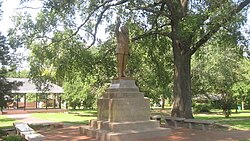
Earl Long is interred at the Earl K. Long Memorial Park in Winnfield, Louisiana.